
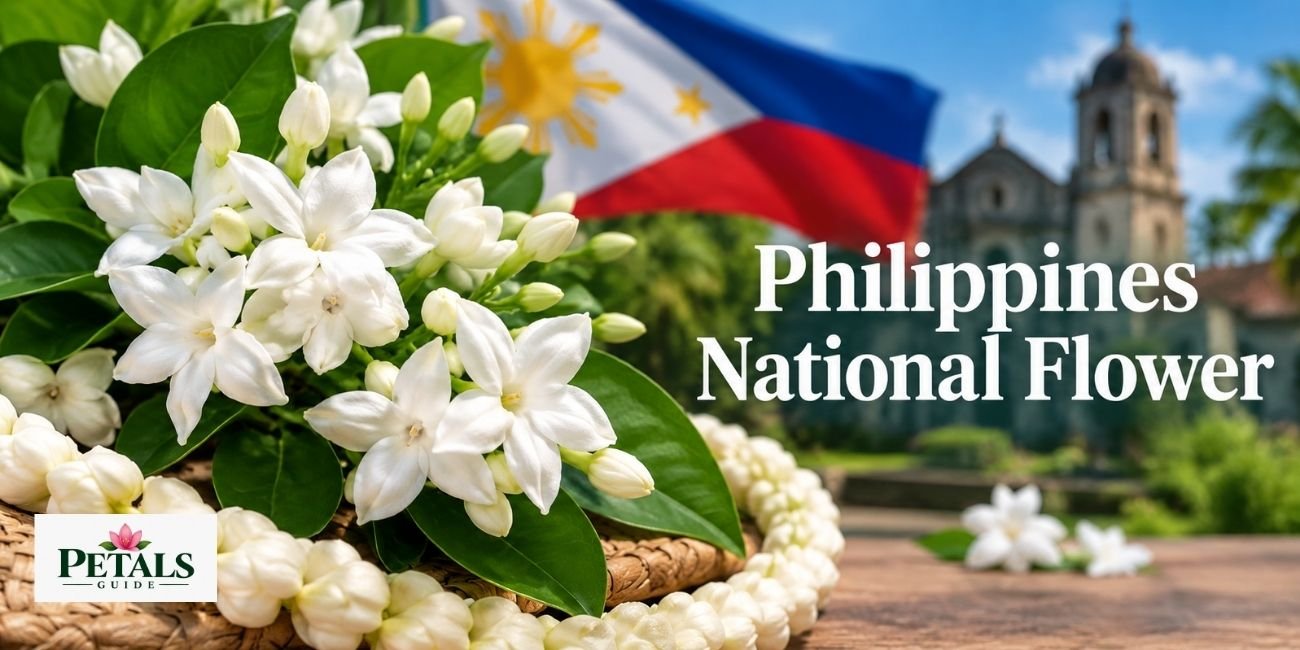
The Sampaguita, the Philippines national flower, Sampaguita (Jasminum Sambac) , might be small, but its meaning is vast and deep. Often associated with devotion and sincerity, these sampaguita flowers are integral to Filipino culture and celebrations. Learning about the Sampaguita opens up a world of rich traditions and customs that define a nation. Dive in and discover why this simple Philippines national flower holds such a cherished place in Filipino hearts.
What Is the National Flower of Philippines?
The national flower of the Philippines, the sampaguita, is a small but powerful symbol of the country’s culture and spirit. Its scientific name is (Jasminum Sambac). These delicate, white blooms exude a sweet fragrance that captures the essence of home for many Filipinos. Often strung into garlands, sampaguita flowers are not just pretty but carry deep meanings of purity and simplicity, reflecting the warmth of the Filipino heart.
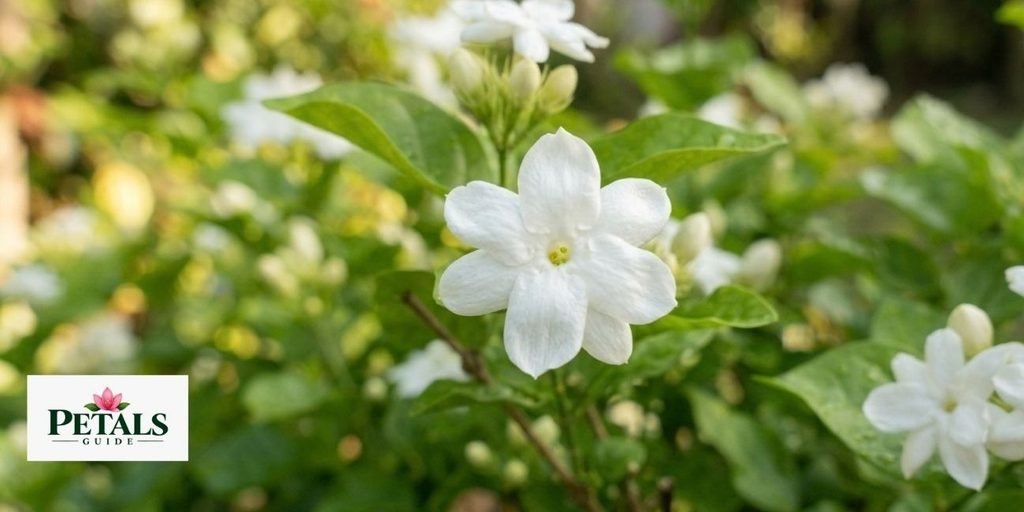
They grow abundantly in gardens and roadside shrines, offering a glimpse of beauty in everyday life. Beyond their charm, Philippines national flowers are woven into various traditions, making them a beloved part of celebrations and rituals. Embracing the sampaguita is like embracing the resilience and beauty of the Filipino spirit itself.
Sampaguita Flower: Description and Natural Beauty
The Sampaguita flower, known as the Philippines national flower, offers a delicate beauty that captivates hearts. Its small, star-shaped white blooms exude a sweet, enchanting fragrance, often associated with love and purity. Walking through the streets, you can spot these charming flowers adorning homes, reminding everyone of local traditions and values.
- Tiny yet striking, each blossom symbolizes sincerity.
- Used in garlands, they weave stories of affection and celebration.
- The flowers thrive in sunny spots, reflecting resilience in their simple elegance.
- Their aromatic scent fills the air, transforming any ordinary moment into something special.
National Flower of Philippines Meaning in Daily Life
The Philippines national flower, the sampaguita, holds deep meaning in daily life, symbolizing purity and simplicity. Its tiny, fragrant white blooms are often found in homes and worn as garlands, embodying love and devotion. Here are a few ways this filipino national flower resonates in Filipino culture:
- Expressions of Affection: Sampaguita garlands are common gifts, signifying genuine affection during special occasions.
- Spiritual Significance: Many people use the sampaguita in religious ceremonies, believing it brings blessings and protection.
- Cultural Identity: The presence of this flower in various celebrations reflects national pride and unity among Filipinos.
In everyday moments, the national flower of philippines reminds people of their roots and the enduring connections within their communities.
How Filipinos Use Sampaguita in Real Life
Sampaguita, the national flower of the Philippines, holds a special place in the hearts of many Filipinos. Its sweet scent often fills homes as it’s used in garlands for festivals and special occasions, adding a touch of beauty and tradition. Here are a few ways it plays a role in daily life:
- Spiritual Offerings: Sampaguita is often placed in altars, symbolizing purity and devotion.
- Gifts of Love: Used in bouquets, it’s a common way to express affection and appreciation on special days.
- Cultural Significance: Wearing sampaguita leis during celebrations connects Filipinos to their rich heritage.
Through these simple gestures, the Philippines national flower serves as a reminder of the deeper values embedded in Filipino culture, embodying love, faith, and community.
Why Sampaguita Became the National Flower
The Sampaguita, with its delicate white petals and sweet fragrance, was declared the national flower of the Philippines in 1934, symbolizing purity and simplicity. This flower holds deep significance in Filipino culture, often associated with love and devotion, making it a favorite choice for bouquets during special occasions.
- The Sampaguita is commonly used in religious offerings and traditional ceremonies.
- Its resilience mirrors the spirit of the Filipino people, thriving even in challenging conditions.
- Like the Philippines national animal, the carabao, this filipino national flower represents the enduring values of hard work and faith.
Celebrating the Sampaguita not only bares the beauty of the national flower in the Philippines but also reinforces a connection to the country’s rich heritage and the warmth of its people.
Sampaguita and Science
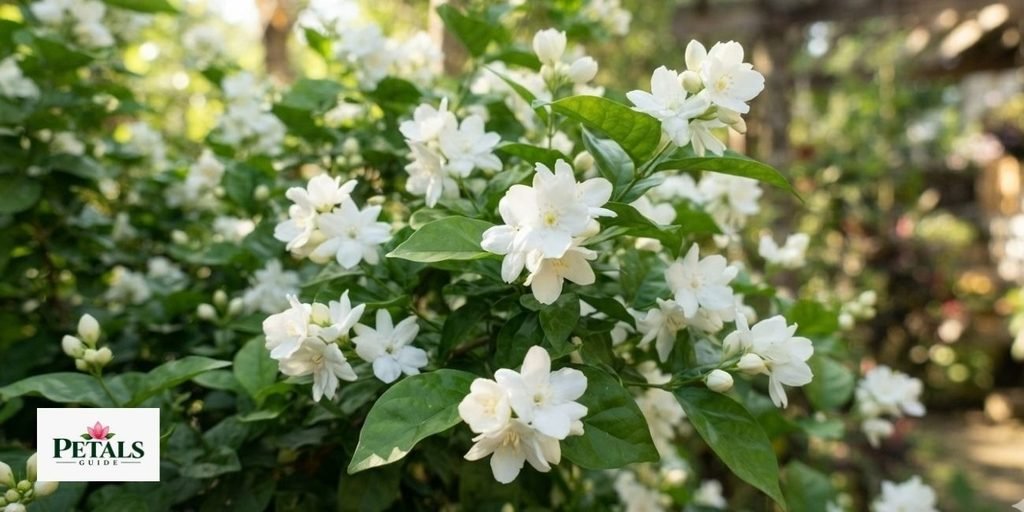
Sampaguita, national philippines flower, is more than just a beautiful bloom, it carries profound scientific value. These delicate white flowers are rich in essential oils, making them valuable in perfumery and traditional medicine.
- Medicinal Properties: Sampaguita contains compounds that may help with inflammation and skin healing.
- Environmental Indicators: Their growth can indicate soil health and biodiversity, showing how well an ecosystem supports life.
Exploring the qualities of Sampaguita helps us appreciate this national Philippine symbol beyond its cultural significance, reminding us of the interconnectedness of nature and science.
National Flower of Philippines Images and Visual Identity
The Sampaguita, the national flower of the Philippines, captures hearts with its delicate white petals and sweet fragrance. Rich with sampaguita symbolism, this flower represents purity, simplicity, and fidelity, embodying the spirit of Filipino culture.
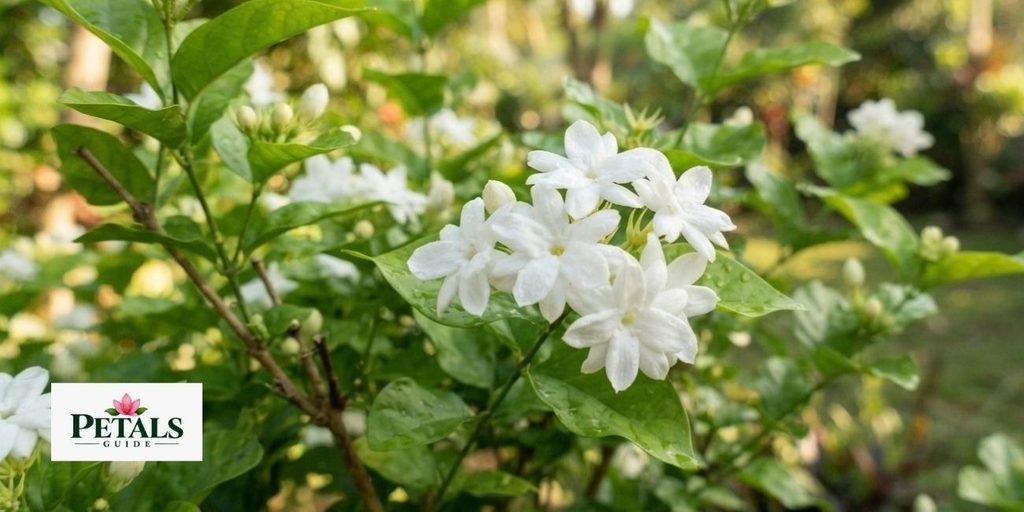
- Captivating imagery: Photos of the Sampaguita often showcase it in lush gardens or delicate arrangements, highlighting its beauty against vibrant backgrounds.
- Cultural significance: In Philippine tradition, the Sampaguita is frequently used in garlands, symbolizing love and respect, making it a beloved choice for special occasions.
These national flower of philippine images not only capture the flower’s charm but also weave a narrative of cultural identity, connecting generations through its timeless appeal.
Sampaguita In Modern World
The sampaguita flower, the beloved national flower of the Philippines, has danced through the ages, symbolizing purity and simplicity. Today, it’s more than just a fragrant bloom; it’s a bridge connecting generations and cultures.
- Many Filipinos wear sampaguita garlands during celebrations, keeping traditions alive in a fast-paced world.
- Local artisans craft intricate jewelry and home décor using the sampaguita, showcasing its beauty in modern settings.
- Social media brings a fresh spotlight, inspiring new interpretations in fashion and art, driving global interest.
In every corner of the Philippines, the sampaguita remains not just a flower, but a reminder of home, love, and resilience.
Final Thoughts on the National Flower of Philippines
The Sampaguita is much more than a flower, it embodies the love and resilience of the Filipino people. With its lovely charm and meaningful history, it brings everyone together, celebrating life and hope. By appreciating this flower, we honour the traditions and values it represents. Consider adding a Sampaguita to your daily life, whether in a bouquet or a simple garden plant. Let’s keep its legacy alive for future generations to enjoy.
You can explore the world of these national flowers by reading these amazing guides.
- National Flower of Cuba
- National Flower of Hungary
- State Flower of New York
- National Flower of Nigeria
FAQs
Is Sampaguita still the national flower of the Philippines?
Yes, Sampaguita remains the national flower, symbolizing purity and simplicity.
What flower symbolizes the Philippines?
The Sampaguita flower perfectly represents the country, capturing its heart and culture
Is jasmine the same as Sampaguita?
Yes, Sampaguita is a type of jasmine, specifically known for its sweet scent and small white blooms.
What is the national flower of the Philippines in 2026?
The national flower will still be Sampaguita in 2026, continuing its legacy.
Is gumamela the national flower of the Philippines?
No! Gumamela is not the national flower; it’s beautiful but doesn’t hold that title.