
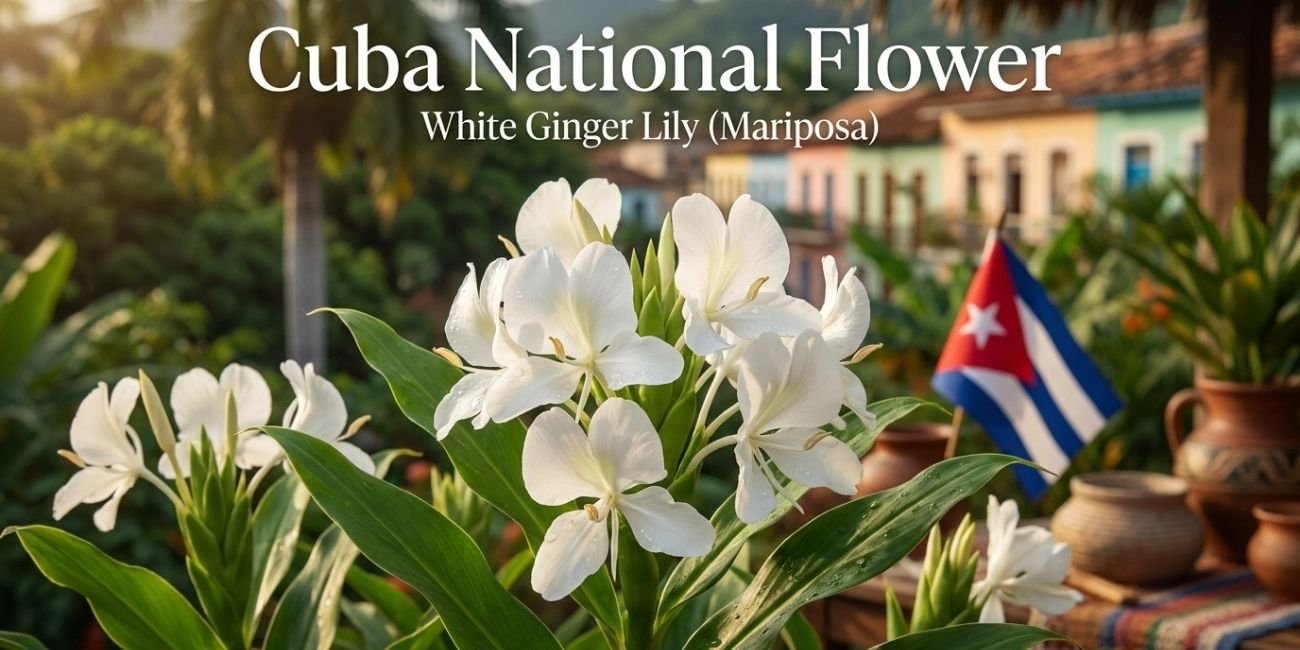
The National Flower of Cuba, the Mariposa, stands as a testament to the island’s rich heritage and natural beauty.The Mariposa, Cuba national flower, holds secrets that go beyond its vibrant beauty. In this article, we will explore its significance not just as a symbol of national pride, but also as a hidden message from Cuba’s past.
What Is Cuba’s National Flower?
The National Flower of Cuba, the white ginger lily, is more than just a pretty bloom; it symbolizes purity and resilience. This delicate flower blooms in clusters, exuding a sweet fragrance that fills the Cuban air, often evoking memories of tropical landscapes and warm sunsets.
The white ginger lily, scientifically known as Hedychium coronarium, is renowned not just for its beauty but also as the National Flower of Cuba. This stunning bloom, with its fragrant white petals, has deep roots in Cuba’s cultural identity, symbolizing resilience and purity amidst the island’s diverse flora.
Historically, it was introduced to Cuba from Southeast Asia, blending seamlessly into the local landscape and becoming a cherished emblem of Cuban heritage. The flower’s unique fragrance often evokes memories of lush tropical gardens, making it a favorite in both traditional and modern celebrations across the island. Its presence reminds us of the enduring connection between nature and national pride.
Mariposa White Ginger Lily – Botanical Information
Common Name: Mariposa White Ginger Lily
Scientific Name: Hedychium coronarium
Family: Zingiberaceae
Genus: Hedychium
Species: Hedychium coronarium
Plant Type: Herbaceous perennial
Native Range: Himalayas and parts of Southeast Asia
Height: Usually 1–2 meters
Flower Color: White
Flowering Season: Summer to autumn
Fragrance: Strong, sweet and pleasant
Leaves: Long, narrow, lance-shaped, green leaves
Root System: Rhizomatous
Growth Habit: Upright, clumping
Pollination: Mainly by moths and other insects
Uses: Ornamental gardening, landscaping, cut flowers, and traditional uses
Preferred Conditions: Warm, humid climates with moist, fertile soil and partial to full sunlight
What Does Cuba’s National Flower Look Like?
Cuba’s national flower, the white ginger lily, offers a breathtaking sight with its elegant, trumpet-shaped blooms that gleam like freshly fallen snow. Each flower bursts forth from lush green foliage, creating a striking contrast that captivates the eye and draws admirers closer.
Its delicate fragrance wafts through gardens, evoking feelings of warmth and tropical bliss, making it more than just a pretty sight. Frequently found in Cuba’s vibrant landscapes, this flower symbolizes resilience and beauty, embodying the spirit of the island itself.
Why Cuba Chose the Mariposa as Its National Flower
The Mariposa, or white ginger lily, was chosen as Cuba’s national flower not just for its beauty but for its deep-rooted symbolism. This delicate bloom represents resilience and purity, reflecting the spirit of the Cuban people through their struggles and triumphs. Its ability to thrive in various environments mirrors Cuba’s capacity to adapt and flourish despite challenges.
Additionally, the Mariposa is a testament to the island’s rich biodiversity, showcasing a vibrant connection to nature that is integral to Cuban identity. Its fragrant blossoms bring a sense of joy, uniting people in celebration during various cultural festivals. By embracing the Mariposa as their national flower, Cubans honor their heritage while looking forward to a hopeful future.
How Mariposa Flowers Carried Secret Messages
Mariposa flowers, the national flower of Cuba, have long been more than just a beautiful bloom, they carried whispers of affection and hope. In a time when words could be dangerous, lovers would send each other delicate mariposas wrapped in notes, their vibrant petals a silent promise.
- The flower of Cuba was a symbol of freedom, often used to communicate secret messages during turbulent times.
- Its exquisite beauty was not just admired but also shared as tokens of love and resilience.
Women, Resistance, and the Mariposa
Each petal held stories of longing, connecting hearts across miles. In a world where communication was fraught, the mariposa became a lifeline, a reminder that love always finds a way to flourish.
- The Mariposa, the national flower of Cuba, symbolizes resilience and transformation, embodying the spirit of women who have historically stood against oppression.
- As vibrant and enduring as the flower itself, women across Cuba have woven their stories of defiance and strength into the fabric of a nation yearning for change.
- Celebrating the Mariposa means recognizing not just its beauty, but also the tenacity of those who have nurtured and protected their communities, often at great personal cost.
- In every petal lies a story of resistance, reminding us that like the Mariposa, the fight for equity and justice blooms brightly, even in adversity.
Cultural Meaning of the Mariposa Today
The mariposa, known as the flower of Cuba, holds a special place in the hearts of many.
- Symbol of Resilience: These cuban flowers symbolize the strength and beauty of the Cuban spirit, thriving even in challenging conditions.
- Cultural Heritage: Mariposas adorn festivals and celebrations, weaving a rich tapestry of tradition that connects generations.
- Nature’s Artistry: With its vibrant colors and unique shape, its beauty inspires artists and poets, capturing the essence of Cuba’s breathtaking landscapes.
- Hope and New Beginnings: Today, the mariposa serves as a reminder of growth and transformation, representing hope for a brighter future amidst change.
Scientific and Historical Confirmation
Cuba’s national symbols weave a rich tapestry of culture and history, reflected not only in its famous architecture but also in its vibrant flora.
- The Cuban bouquet of orchids, a local treasure, serves as a botanical emblem, showcasing the island’s biodiversity.
- Historical tales tell of hardy flowers like the Mariposa, which represents freedom and resilience, embodying the spirit of the Cuban people.
- These symbols are more than just pretty sights,they echo the stories and struggles that have shaped the nation’s identity. Each bloom invites us to appreciate the deep connections between nature and Cuba’s historical narrative.
Where You’ll See Mariposa in Cuba
- In Cuba, the beautiful Mariposa, the national flower of Cuba, can be spotted dancing in vibrant gardens and lush landscapes, embodying the spirit of the island.
- Visit the famous Jardín Botánico de Cienfuegos to see these delicate blooms contrasting with the tropical greenery, inviting visitors to pause and breathe in their sweet aroma.
- Stroll through the colorful streets of Havana, where local artists often incorporate Mariposa motifs into their works, celebrating its significance in Cuban culture and identity.
- Don’t forget the Valle de Viñales, where the Mariposa flourishes amidst breathtaking scenery, symbolizing hope and resilience, a truly fitting emblem for this enchanting land.
How Does the Mariposa Lily Grow?
- The Mariposa lily, Cuba’s national flower, thrives in the island’s unique ecosystem, often sprouting in areas where sunlight dances through trees and the soil is rich with nutrients.
- With its elegant petals unfurling in vibrant hues, this flower showcases how resilience and beauty coexist, adapting to both dry spells and the lushness of rainy seasons.
- Pollinators, like bees and butterflies, are naturally drawn to its sweet scent, forming a beautiful alliance that ensures its growth and survival across Cuba’s diverse landscapes.
- Observing the Mariposa lily in bloom is a reminder of nature’s intricate balance, reflecting Cuba’s identity through its stunning flora.
- The Mariposa Lily thrives best in well-drained soil, where it can bask in bright sunlight, similar to its sunny Caribbean roots as one of the cherished Cuba flowers.
- It appreciates moderate watering, making it a resilient choice for gardens looking for low-maintenance beauty, just remember to let the soil dry out between waterings.
- Native to diverse habitats, this captivating plant flourishes in sandy or rocky areas, echoing the stunning landscapes of Cuba, and offers a striking pop of color wherever it’s planted.
- Consider planting in groups for a vibrant display that mimics its natural growth patterns, creating a lively yet harmonious environment that reflects the spirit of the Cuban national flower.
Interesting Facts About Cuba’s National Flower
- Cuba’s national flower, the mariposa, or butterfly lily, captivates with its stunning beauty and profound significance. Known scientifically as Hedychium coronarium, it blooms predominantly in the tropical climate, filling gardens and streets with its enchanting fragrance.
- This flower symbolizes love and friendship, often gifted during special occasions to express deep emotions. Not only does the mariposa serve as a national emblem, but it also plays a role in local folklore, embodying the spirit and resilience of the Cuban people.
How to Protect Cuba’s National Flower
- To protect Cuba’s national flower, the mariposa, locals and visitors can participate in community gardening initiatives, fostering a deeper connection with this beautiful symbol of resilience.
- Supporting sustainable tourism helps ensure that natural habitats aren’t disturbed, allowing the mariposa to thrive in their native landscapes instead of facing extinction.
- Share knowledge about the flower’s cultural significance through workshops, encouraging appreciation and understanding among the younger generations.
- Lastly, advocates can work with local authorities to enforce conservation laws, ensuring that the mariposa remains a vibrant part of Cuba’s identity for years to come.
Final Thoughts
The Mariposa, Cuba’s national flower, beautifully embodies the spirit of resilience and hope that defines the island’s history. More than just a stunning blossom, it carries with it a powerful message of unity and strength amidst adversity. As we admire its delicate petals, let’s remember the stories and struggles woven into its very essence. Embracing the Mariposa means celebrating Cuba’s rich cultural heritage and the unwavering spirit of its people. you can also read about the national flower of Afghanistan to get more knowldge about national flowers.
FAQS
What is the national flower of Cuba?
The Mariposa is Cuba’s national flower, scientifically known as the white ginger lily. It symbolizes the spirit of the Cuban people and their resilience.
Why is the Mariposa Lily important to Cuba?
The Mariposa Lily is important to Cuba because it is the country’s national flower. It symbolizes purity, beauty, peace, and Cuban independence.
What does the Cuban Mariposa Lily symbolize?
The Cuban Mariposa Lily symbolizes purity, beauty, peace, and independence. It also represents Cuba’s national pride and cultural heritage.
Where does the Mariposa Lily grow?
The Mariposa Lily grows in warm, tropical and subtropical areas. It is native to the Himalayan region and Southeast Asia and is also widely grown in Cuba and other tropical countries.