
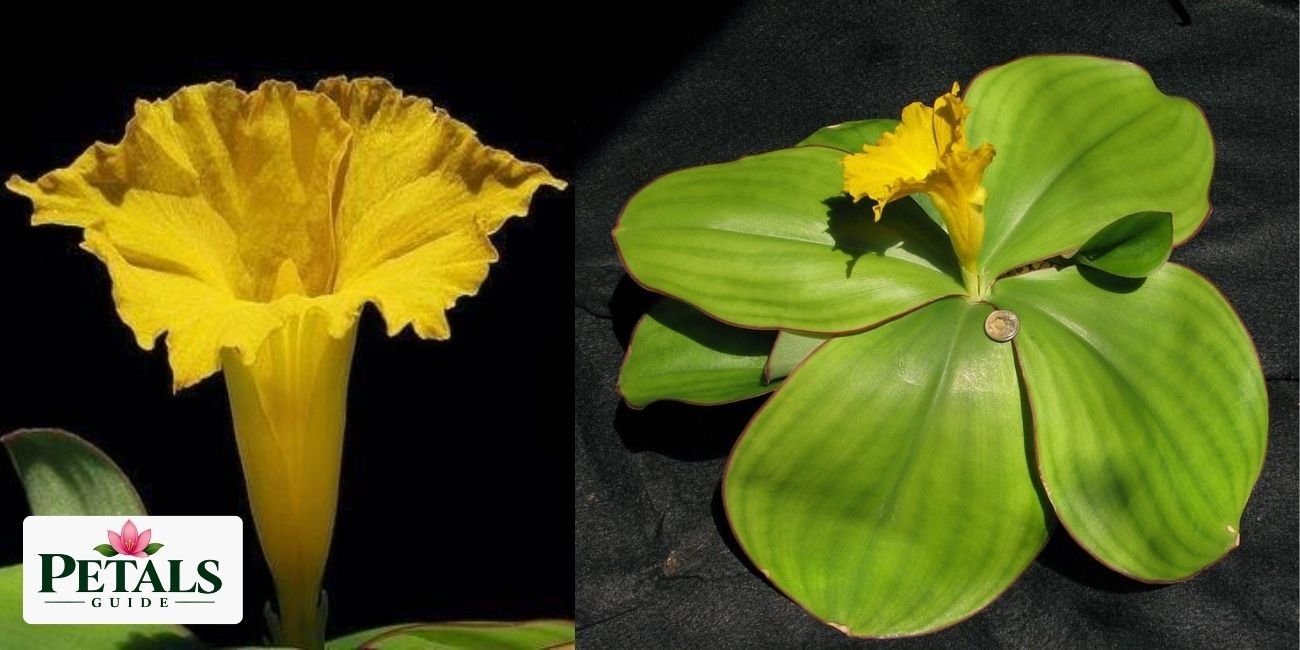
The national flower of Nigeria is Yellow Trumpet (Costus spectabilis), a vibrant symbol of the country’s rich culture and natural beauty. Known for its bright yellow blooms, this stunning flower is admired not only for its beauty but also for its cultural significance. This article explores the characteristics, symbolism, and importance of Nigerian Flower, along with its conservation status and other interesting facts.
What Is the National Flower of Nigeria?
The national flower of Nigeria is the Costus spectabilis, commonly known as the Yellow Trumpet. This vibrant flower was officially designated as the national flower of Nigeria in 1979, symbolizing the country’s rich cultural heritage and diversity.
- Common Name: Yellow Trumpet
- Scientific Name: Costus spectabilis
- Family: Costaceae
- Flower Color (Real Plant): Bright yellow
- Flower Color (Coat of Arms Depiction): Red
- Habitat: Commonly found in tropical regions, thriving in Nigeria’s diverse climates.
- Cultural Symbolism: Celebrated in folklore and traditional ceremonies, embodying national pride.
- Ecological Role: Attracts pollinators, playing a crucial part in local ecosystems.
Why Is the Yellow Trumpet the National Flower of Nigeria?
The Yellow Trumpet holds a special place in the hearts of Nigerians as the country’s national flower. This vibrant blossom was chosen for its bright yellow color, which symbolizes the richness of Nigeria’s natural resources and the warmth of its people. Beyond its beauty, the Yellow Trumpet thrives in various regions of Nigeria, showcasing the nation’s diverse ecosystems and resilience, which resonates with national pride.
One of the compelling reasons for its selection as the national flower of Nigeria is its association with unity and growth. The flower blooms abundantly in many areas, embodying the spirit of togetherness and hope for a prosperous future.
Additionally, the Yellow Trumpet has cultural significance in many Nigerian communities, often used in festivities and celebrations, reinforcing its role in expressing Nigerian identity. By embracing the Yellow Trumpet, Nigeria not only honors its natural heritage but also fosters a sense of shared belonging among its people.
What Does the National Flower of Nigeria Symbolize?
In Nigeria, the national flower carries deep meaning and represents the country’s rich culture and diversity. This vibrant flower is a symbol of beauty and resilience, showing how the people of Nigeria thrive despite challenges. It blooms brightly, just like the spirit of the nation, reminding everyone that hope and strength can flourish even in tough times.
The flower also connects people across different regions and backgrounds. Each petal reflects the unique traditions and stories of Nigeria’s many ethnic groups. By honoring this flower, people celebrate their unity while appreciating the differences that make Nigeria special. It’s a reminder to work together and embrace the beauty around us, just like the flower does in nature.
Globally, the Costus spectabilis has found various names that reflect its local significance. In some regions, it is referred to as the “Golden Trumpet,” highlighting its eye-catching hue reminiscent of the sun. In Brazil, where it also thrives, it’s recognized as “Pencil Flower,” alluding to its elongated form.
Another name, “Kwikwi” in some Nigerian dialects, emphasizes its importance in traditional ceremonies. Additionally, “Tropical Gold” speaks to its thriving nature in humid climates, embodying the tropical essence of West Africa. Each of these names not only encapsulates the flower’s aesthetic appeal but also tells a story of the diverse cultures that recognize its significance.
Where Does the Yellow Trumpet Grow?
The Yellow Trumpet, Nigeria’s national flower, primarily grows in tropical regions, particularly in West Africa. You’ll often find it flourishing in areas like forests, parks, and even along roadsides. This vibrant flower loves warm, moist climates, which are perfect for its bright blooms.
In Nigeria, it thrives in various locations, from the bustling cities to quiet rural landscapes. Its cheerful yellow petals stand out against green leaves, making it a favorite among gardeners and nature lovers. The Yellow Trumpet also adapts well to different soil types, although it does best in well-drained, fertile soil. Its ability to grow in diverse environments shows just how resilient and vibrant this flower truly is.
What Does the Yellow Trumpet Look Like?
The Yellow Trumpet flower is like a burst of sunshine on a green backdrop. Its petals are bright yellow, shaped like a trumpet or a bell that’s turned upside down. Each petal has a smooth texture, shining a little when the sunlight hits them just right. The flower usually blooms in clusters, making them look like a cheerful group ready to celebrate.
The inside of the trumpet is often a lighter yellow or even a soft white, contrasting beautifully with the bold colors on the outside. The stems are long and slender, holding the flowers high up so they can catch the eye easily. Surrounding the flowers are dark green, slightly glossy leaves that frame the bright yellow blooms, almost like a perfect picture. When you see them together, it feels like nature made its own piece of art.
Why does the Nigerian Coat of Arms Show a Red Flower?
The Nigerian Coat of Arms prominently features a red flower, which often leads to confusion given that the national flower, the Yellow Trumpet, is indeed yellow. The choice of the red flower symbolizes the vibrancy and resilience of the Nigerian spirit. While the Yellow Trumpet represents beauty and growth, the red flower on the Coat of Arms serves as a powerful reminder of the sacrifices made for the nation and the enduring spirit of its people.
The use of a red flower can be interpreted as a representation of unity among Nigeria’s diverse cultures. The red hue embodies strength and courage, qualities that are vital for a nation striving for peace and prosperity. Thus, the contrast between the national flower and the emblem on the Coat of Arms reflects the multifaceted identity of Nigeria, where beauty, resilience, and strength coexist harmoniously.
Is the National Flower of Nigeria Endangered?
The national flower of Nigeria, the Yellow Trumpet (Costus spectabilis), faces challenges in its survival, primarily due to habitat loss. Locally, urbanization and agricultural expansion threaten the natural environments where this plant thrives. Globally, while it does not have a formal endangered status, the increased focus on its ecological importance raises concerns about its long-term viability amid changing environmental conditions.
Why the Endangered Question Keeps Surfacing?
The question of whether Nigeria’s national flower, the Yellow Trumpet, is endangered often arises due to environmental changes and human activities. Increasing urbanization and deforestation threaten its natural habitat, leading many to wonder how secure its future really is. The local communities that cherish this flower are concerned, prompting discussions about its survival in a rapidly changing world.
Global vs Local Conservation Status
While the Yellow Trumpet is concerned locally in Nigeria, its global conservation status varies. Internationally, it is not listed as endangered or threatened by major environmental organizations. However, this doesn’t mean it is completely safe. Locally, initiatives are being developed to study and protect its habitats as awareness of environmental issues grows. This juxtaposition highlights that a species can be relatively secure on a broader scale while still facing challenges in specific regions.
Professor Emmanuel Izaka Aigbokhan, in his 2022 research for the Nigerian Society for Conservation Biology, highlights an issue. He argues that the lack of an updated Flora of Nigeria leads to outdated and inconsistent data concerning native species. Most information comes from regional records that are often over fifty years old, making it difficult to understand the flower’s true decline, especially as urbanization intensifies in many Nigerian states.
This gap in data has serious implications for conservation efforts. Without accurate information, it is tough to make well-informed decisions about protecting the Yellow Trumpet and other native plants. Efforts to conserve the flower must be backed by current research that captures the realities of its habitat and threats. Local communities, scientists, and policymakers need to collaborate to address these challenges effectively.
The Biology of the Yellow Trumpet: Why It’s Resilient
Understanding the biology of the Yellow Trumpet helps explain why it has not disappeared despite environmental pressures. Costus spectabilis grows from a rhizome, an underground stem that stores nutrients and energy. This structure allows the plant to regenerate even after seasonal fires or grazing, giving it an advantage in ecosystems where disturbances occur regularly.
Moreover, the species thrives in tropical wet-dry climates and can adapt to open, often disturbed environments. It does not need dense forest cover, allowing it to colonize various landscapes. Yet, this ability does not exempt it from all threats, as permanent habitat destruction can still undermine its chances of survival.
Symbol vs Protection
While the Yellow Trumpet serves as an important national symbol, the gap between symbolism and actual protection remains significant. Many people admire the flower without recognizing the ecological challenges it faces. This disconnect can hinder effective conservation efforts, as people may not see the need to actively protect what they regard as merely a national emblem.
Moreover, the flower’s representation on the coat of arms underscores cultural significance, yet this same recognition has not translated into strong protective measures in its natural habitats. Adequate conservation policies are needed to ensure the Yellow Trumpet continues to flourish both as a national symbol and a vital part of Nigeria’s biodiversity.
Could It Become Endangered in the Future?
Given the current pressures on its habitat, the Yellow Trumpet could face increased risks in the coming years. Continuous urban development and agricultural expansion may ultimately threaten its populations. If these trends persist, the probability of the species slipping into a more vulnerable status becomes increasingly likely.
As ecosystems become more altered, the Yellow Trumpet may struggle to adapt as quickly as environmental conditions change. If protective measures are not implemented soon, the future of this national flower could be jeopardized.
What Conservation Advocates Are Saying
Conservation advocates are raising alarms about the future of the Yellow Trumpet, emphasizing the need for immediate action. They argue that without proactive measures, the plant could face risks similar to other endangered species in Nigeria. Engaging local communities in conservation efforts is seen as essential for fostering a sense of ownership and commitment to the flower’s protection.
Many organizations are campaigning for legal protections that will help ensure the Yellow Trumpet has the space it needs to thrive. Public awareness campaigns are also essential to educate citizens about the importance of biodiversity and the critical role the Yellow Trumpet plays in Nigeria’s natural heritage.
Ultimately, the message is clear: the time to act for the Yellow Trumpet is now. Maintaining its status as a national flower is more than just a matter of pride; it is a vital part of protecting Nigeria’s ecological future and cultural legacy.
Can You Grow the Yellow Trumpet at Home?
Growing the yellow trumpet at home can be a rewarding endeavor, offering vibrant blooms that brighten any space. With just a bit of care and attention, you can cultivate this stunning plant right in your garden or indoors.
How to Start (The Ginger Method)
To grow the Yellow Trumpet, consider the innovative Ginger Method. This involves rooting healthy cuttings in water for a couple of weeks until you see sprouting roots. Once robust, transfer them to a pot filled with well-draining soil. Keeping the environment warm and humid will accelerate their growth, making it easier to cultivate a healthy plant.
In weeks, you’ll see shoots peeking through, which signals that your plant is ready to flourish.
The Best Spot in Your Garden
Choosing the right location is crucial; yellow trumpets thrive in bright, indirect sunlight. Ensure they receive at least four to six hours of light daily to develop their full potential. Additionally, be mindful of soil drainage. These plants prefer a mix of standard garden soil with a little sand or compost to promote excellent drainage, as they dislike standing water around their roots. By maintaining these conditions, you’ll create an ideal environment for thriving growth and spectacular blossoms.
Don’t Panic: The Deep Sleep Phase
The Yellow Trumpet may seem dormant during colder months, entering a deep sleep phase where it conserves energy. Resist the urge to overwater during this time; a little care goes a long way. This phase is essential for rejuvenation and can lead to a more abundant flowering period when the temperatures rise. Patience is key – trust that a vibrant display awaits as your plant awakens from its slumber.
Why Gardening Is Conservation
Gardening, especially with species like the Yellow Trumpet, plays a vital role in conservation. By cultivating native flowers, you’re not just beautifying your space; you’re fostering habitats for pollinators like bees and butterflies. These plants help preserve local ecosystems and contribute to biodiversity, creating a healthier environment. Each flower nurtured at home is a step towards sustainability, bridging our connection with nature and encouraging ecological responsibility.
Medicinal and Cultural Importance of Costus spectabilis
Costus spectabilis, the national flower of Nigeria, holds both healing properties and deep cultural significance. This bright yellow flower is not just pretty to look at; many people in Nigeria use it for traditional medicine. This plant has natural anti-inflammatory properties, helping reduce swelling and pain. People have used its leaves and roots for digestive treatments, easing issues like bloating and indigestion. Moreover, applying Costus spectabilis topically can soothe skin irritations, making it a handy remedy in traditional medicine.
Beyond its health benefits, Costus spectabilis also has deep cultural significance. This plant symbolizes warmth and fertility, representing new beginnings and the beauty of life. It’s often used in celebrations and rituals, showcasing its importance in connecting people to their roots and nature. Additionally, its vibrant yellow flowers add a splash of color to gardens, reminding us of the ecological beauty that surrounds us and the importance of preserving such plants for future generations.
Is Legal Protection Needed?
The Yellow Trumpet, the national flower of Nigeria, faces threats from habitat loss and climate change, positioning it as a potential candidate for endangered species status. Legal protection could serve as a crucial measure to preserve not only this emblematic flower but also the broader ecosystems it represents. By implementing legal safeguards, local authorities can mitigate the impacts of urbanization and agricultural expansion that jeopardize the flower’s natural habitat.
On a global scale, increased awareness and appreciation for the Yellow Trumpet can foster international collaboration for its conservation. Legal protection can encourage local communities to engage in sustainable practices, emphasizing the flower’s cultural significance while promoting biodiversity. Without such measures, the risk of extinction looms, diminishing the flower’s legacy and ecological role in Nigeria. Therefore, establishing legal frameworks for the Nigerian flower is not just beneficial but necessary to ensure its survival for future generations.
National Pride and Environmental Responsibility
Yellow Trumpet, a bright, cheerful flower symbolizes the country’s beauty and strength. By embracing this flower as a national symbol, Nigerians connect with their rich natural heritage and recognize the importance of protecting the environment. Every time someone sees this flower, it reminds them that caring for nature is a shared responsibility.
Encouraging national pride can inspire people to take better care of their surroundings. When citizens feel a sense of connection to their national symbols, like the Yellow Trumpet, they are more likely to participate in environmental efforts. For example, they might plant more flowers, reduce waste, or support conservation projects. By standing together for nature, Nigerians can not only celebrate their culture but also ensure a healthier planet for future generations.
Conclusion
The national flower of Nigeria, the Costus spectabilis, embodies the rich cultural heritage and natural beauty of the country. This vibrant bloom signifies national pride and serves as a reminder of Nigeria’s commitment to preserving its diverse flora. The choice of this flower highlights the importance of botanical conservation efforts and the need to educate future generations about their environment. Furthermore, as citizens embrace the Costus spectabilis, they foster a deeper connection to their land and culture.