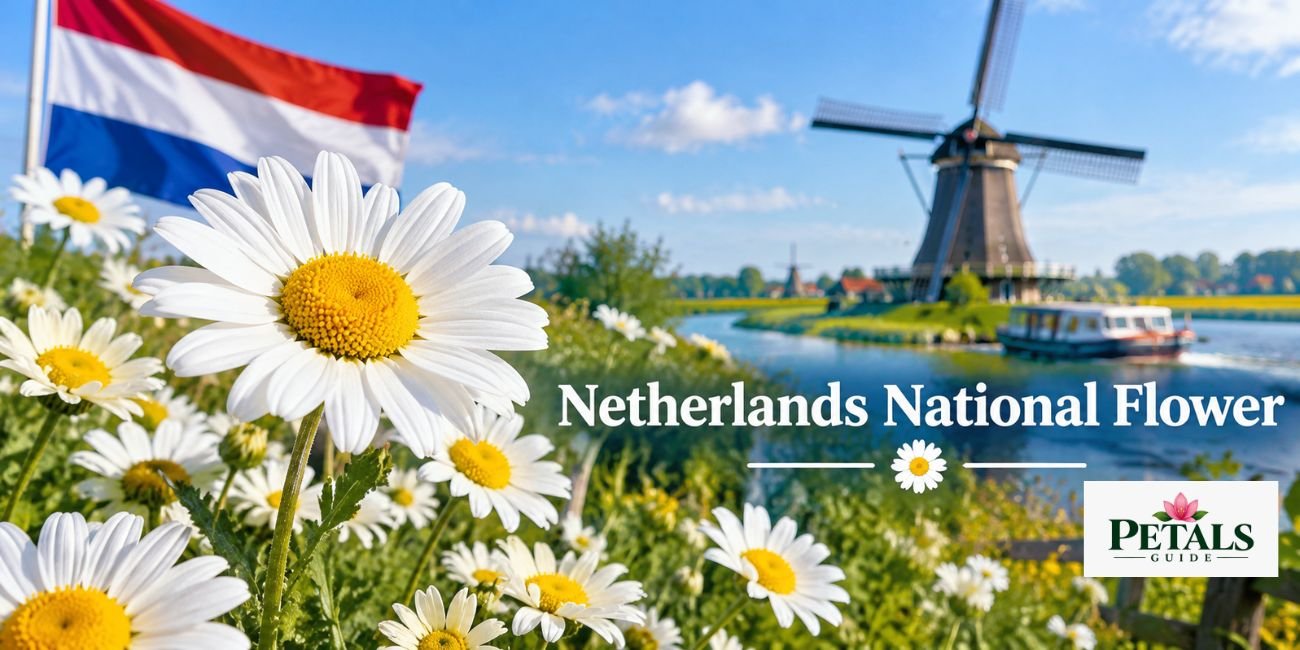
The Netherlands might be famous for its stunning tulip fields, but the country has chosen the daisy as Netherlands national flower, a decision rooted in tradition and sentiment. This article delves into the reasons the daisy won over the tulip and what that means for Dutch identity.In this article, we’ll take a closer look at why the daisy was chosen as the national flower of the Netherlands and what it symbolizes for both locals and visitors alike. By the end, you’ll see how this charming bloom reflects the heart of Dutch culture.
What is the National Flower of Netherlands?
The national flower of the Netherlands, chosen through a public vote of over 53,000 Dutch participants in 2023, is the daisy. This simple yet charming flower captures the spirit of the country, symbolizing purity and cheerfulness. Daisies bloom in abundance across Dutch fields, reminding people of nature’s beauty. Their vibrant presence reflects the warm personality of the Dutch, making them a perfect representation of national pride as national flower hungary represents in the country.
Why The Daisy Won Over The Tulip
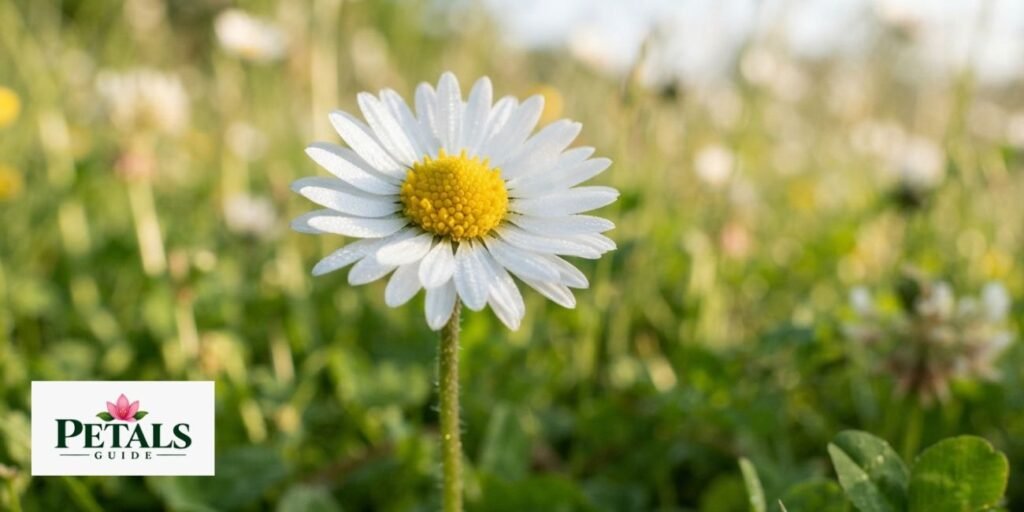
In a surprising twist, the daisy emerged as the Dutch national flower, beating out the elegant tulip. This decision wasn’t just random, it came from a poll run by the popular Dutch radio program Vroege Vogels, showcasing the people’s love for simplicity and charm. The daisy, with its cheerful petals and resilience, resonates with the everyday beauty found in the Netherlands.
Key reasons for the daisy’s victory include:
- Accessibility: Daisies grow easily in various environments, symbolizing the beauty of nature found everywhere.
- Symbol of Joy: Their bright appearance brings a sense of happiness, reflecting the Dutch spirit.
- Cultural Significance: Daisies have long been appreciated in Dutch gardens, connecting generations to the land.
- Sustainable Choice: Daisies require less maintenance, aligning with eco-friendly values embraced by many in the Netherlands.
Choosing the daisy as the Netherlands national flower feels like a celebration of the simple joys in life.
Cultural Icon vs. Official Flower
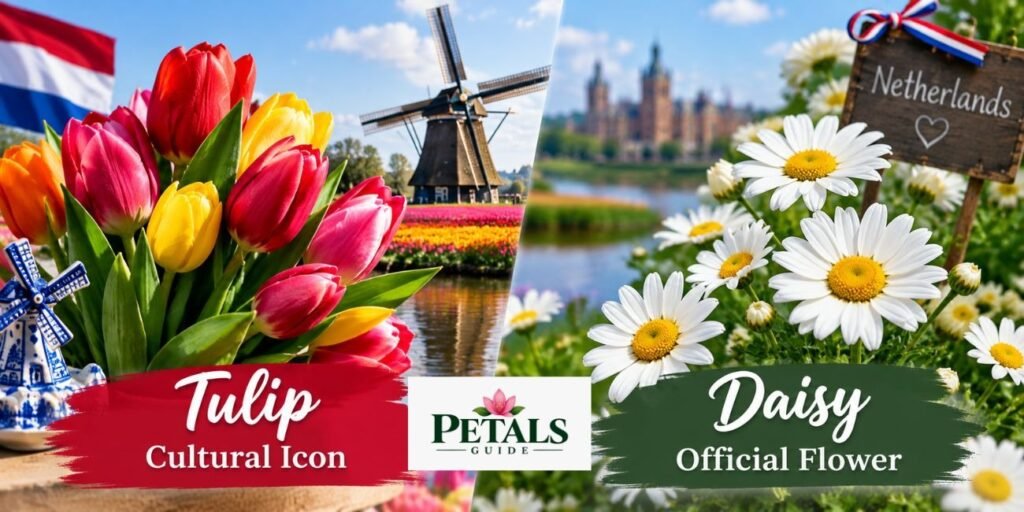
The tulip’s journey in the Netherlands is a colorful tale of beauty and madness. As the national flower of the Netherlands, these vibrant blooms symbolize more than just spring, they echo a rich history of wealth and artistry. During the 1600s, the Tulip Mania led to frenzy and speculation, making it one of the first economic bubbles, a story still discussed today.
Every spring, millions embrace the joy of blooming tulip fields, a dazzling display that stops hearts and captures photos. Tulips decorate Dutch art and souvenirs, reminding everyone that their legacy is woven into the fabric of Dutch culture. Even today the tulip inspires pride and creativity, celebrating the beauty and history of a nation.
Why Tulips are not the official national flower:
- While tulips are often seen as the Netherlands national flower, they officially hold no such title. The Dutch embrace them for their beauty, but the flower representing the nation is actually the red-orange tulip variety, known locally as the “Queen of the Night.”
- Tulips symbolize Dutch culture and history, especially during the famous Tulip Mania in the 16th century. Still, their association with prosperity and grace doesn’t make them the formal national flower.
- Recognizing the tulip in the hearts of many, it’s clear that while they might not be officially tagged as the national flower of the Netherlands, they will forever bloom in the spirit and pride of the Dutch people.
Summary:
| Flower | Status | Significance & Ecological Role | Origin & Native Status | Key Representation |
| Tulip (Tulipa) | Cultural & Economic Icon | Global tourism, floriculture export, and historic heritage (Tulip Mania). | Introduced in the 16th century (native to Central Asia / Turkey). | Commercial trade, cultivated beauty, and Dutch heritage abroad. |
| Daisy (Bellis perennis) | Official National Flower (Elected 2023) | Ecological symbol, high biodiversity value, and deeply intertwined with wild local landscapes. | Fully native to the Netherlands and widespread across Europe. | Everyday resilience, natural ecosystems, and native wild flora. |
What the Daisy Symbolizes in Dutch Culture and Nature
The daisy, as compared to the other national flowers of the world has simple white petals and sunny yellow center, captures the heart of Dutch culture. As the national flower of the Netherlands, it symbolizes purity and new beginnings, much like the fresh blooms that fill the fields each spring.
Ecological Importance:
The daisy, as the Netherlands national flower, plays a vital role in local ecosystems.
- It attracts pollinators like bees and butterflies, supporting biodiversity and helping crops thrive.
- Daisies also improve soil health by adding nutrients, making them great companions for other plants.
- Their presence in meadows and gardens brings color and beauty, reminding us of nature’s simple joys.
Cultural Role:
The daisy, national flower netherlands often seen dotting the Dutch landscape, is more than just a pretty flower, it’s a symbol of innocence and purity, making it significant in Dutch culture as the iris, the national flower in france.
- In the Netherlands, the daisy, national flower of holland netherlands is cherished not only for its beauty but also in local traditions, from children’s crafts to summer festivals.
- As the Netherlands national flower, it represents the spirit of the Dutch people, simple yet resilient, thriving in both gardens and wild fields alike.
- The daisy, For metrics, the national flower of the netherlands often appears in Dutch art, capturing moments of simplicity and joy, reminding us to appreciate the small things in life.
Why This Matters Beyond Beauty and Tradition
Choosing the daisy as the national flower of the Netherlands goes beyond its beauty and tradition. This resilient bloom represents the spirit of the Dutch people, strong, cheerful, and full of life. Daisies thrive in various conditions, much like how the Netherlands has adapted to changing times and challenges.
More than just a symbol, the daisy reminds us of the importance of embracing simplicity and joy in our lives. With its bright petals reaching for the sun, it encourages us to look for light even on darker days. The daisy, holland’s national flower, isn’t just a flower, it’s a celebration of hope and perseverance that resonates with every citizen and visitor in Holland.
The Daisy as a Symbol of Everyday Dutch Life
In the Netherlands, the daisy holds a unique charm as the national flower, symbolizing the simplicity and beauty of everyday life. It’s not just a flower, it reflects the Dutch love for nature and their ability to find joy in the little things. Picture children picking daisies in a field or nestled in the hair of a young girl, capturing tiny moments of happiness that remind people to enjoy life’s simple pleasures.
In tiny villages and bustling cities alike, the daisy, holland’s national flower blooms freely, representing the Dutch spirit of resilience and hope. It stands proudly alongside iconic tulips yet carries an effortless grace that feels wholly Dutch. People often press daisies in books or create crowns, harnessing their charm to connect with tradition while celebrating the present. Just like the landscape of Holland itself, the daisy, National flower of Holland is a beautiful reminder of the everyday joys that can brighten even the simplest moments.
Final Thoughts
The daisy has truly captured the heart of the Netherlands as its national flower. While the tulip has a rich history and vibrant colors, the daisy represents simplicity and joy in everyday life. Its humble beauty resonates with many people, making it a perfect symbol for the nation. Let’s celebrate the daisy’s charm and encourage others to appreciate the simple things around us.
FAQs
What is the national flower of the Netherlands?
FAQ: What is the national flower of the Netherlands?
The daisy (Bellis perennis) is recognized as the national flower of the Netherlands. While the tulip is strongly associated with Dutch culture, tourism, and the flower industry, the daisy is the official national flower.
What flower represents the Netherlands?
The tulip represents the Netherlands. It’s known for its vibrant colors and unique shapes.
Is the tulip the national flower of the Netherlands?
No. The tulip is not the official national flower of the Netherlands. It is, however, the country’s most famous floral symbol and is strongly associated with Dutch culture, tourism, and horticulture. The daisy (Bellis perennis) is recognized as the national flower.
Why is the tulip the national flower?
The tulip is widely considered the floral symbol of the Netherlands because of its deep connection to Dutch history, culture, and economy. Although it is not officially designated as the national flower, it represents the country worldwide. The Netherlands is famous for its colorful tulip fields, flower festivals, and tulip exports, making the flower an important symbol of Dutch heritage.
What flowers are the Dutch famous for?
The Dutch are famous for tulips, daffodils, and hyacinths. These flowers are often seen in gardens and fields.
What is the most famous flower in Amsterdam?
The most famous flower in Amsterdam is the tulip. You can see them in many parks and flower markets.
What flower represents Holland?
The tulip represents Holland. It’s an iconic flower that symbolizes the Dutch landscape.
What is Amsterdam’s flower?
Amsterdam’s flower is also the tulip, admired by both locals and tourists for its beauty.
What is the national symbol of the Netherlands?
The national symbol of the Netherlands is the lion. It represents strength and bravery in Dutch history.
Which national flower is the tulip?
The tulip is indeed the national flower of the Netherlands. It symbolizes beauty and is loved by many.
What is the national plant of Germany?
The national plant of Germany is the cornflower. It’s a beautiful blue flower often found in fields.