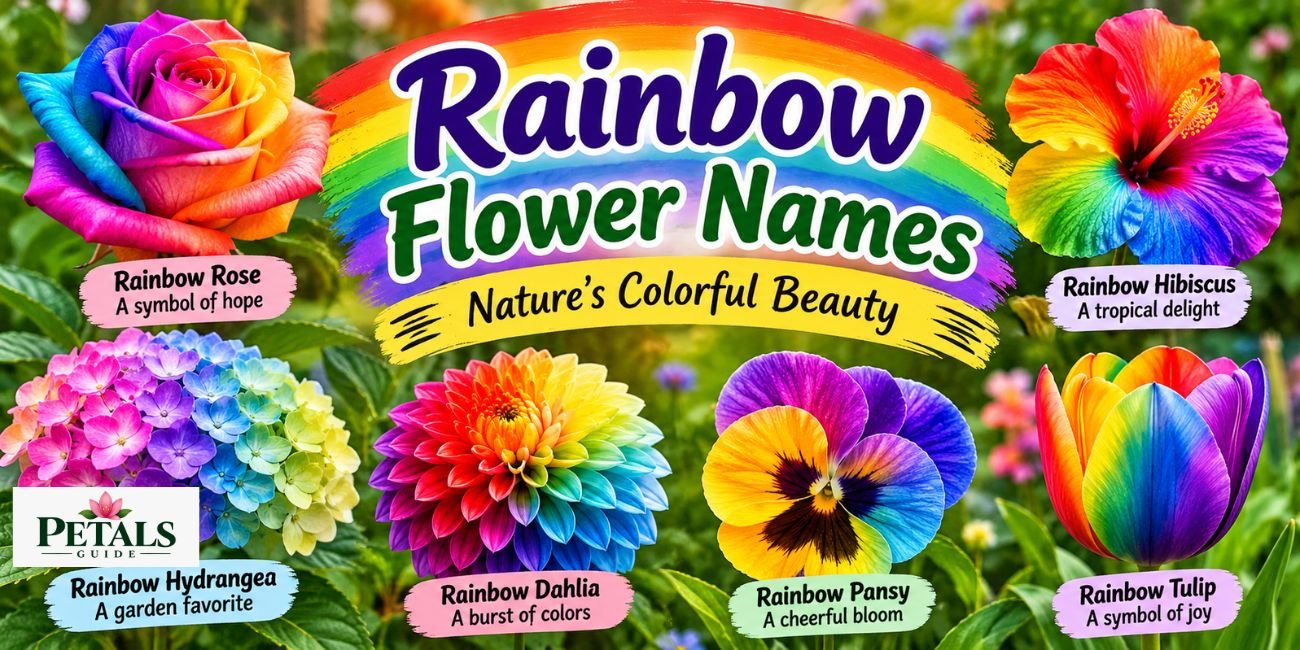
Rainbow-colored flowers bring natural variety and color to bouquets. Some blooms offer bold shades, while others add softer tones and interesting shapes. This guide features 20 rainbow flower names and pictures to help you explore your options. Use it to plan a bouquet with colors you love.
What Are Rainbow Flowers?
Rainbow flowers are blooms with petals in several bright colors, often arranged to resemble a rainbow. Many rainbow-colored flowers are made by adding color to a pale flower rather than grown with every shade in its petals.A rainbow rose is a familiar example. Its colorful petals make it a striking choice for a gift or display.
Do Rainbow Flowers Exist in Real Life?
Rainbow flowers do exist in nature, but they usually show a few colors rather than every shade of the rainbow. Some flowers have colorful patterns, gradients, or petals with more than one color.
A flower with clear bands of red, orange, yellow, green, blue, and purple is usually colored by people. That difference helps explain why rainbow colored flowers can look natural at first glance but are often specially made.
20 Rainbow Flower Names
Here is the list of 20 Rainbow Flower Names:
- Lantana
- Iris Germanica (Bearded Iris)
- Columbine
- Rainbow Tulip
- Freesia
- Gazania
- Rainbow Orchids
- Zinnia Elegans
- Blanket Flower
- Bird of Paradise
- Rainbow Rose
- Rainbow Chrysanthemum
- Rainbow Pansy
- Snapdragon
- Dahlia Pinnata
- Rainbow Hibiscus
- Plumeria
- Croton Plant
- Ranunculus
- Rainbow Petunia
Names of 20 Rainbow Flowers with Pictures
Natural Rainbow Flowers
Rainbow colored flowers can get their look from naturally varied petals, bold markings, or a blend of hues. These blooms may feel bright and playful, even though a single flower does not usually display the entire rainbow naturally.
Choosing flowers with natural patterns is a simple way to bring rainbow-inspired color to a garden or bouquet. These 10 rainbow flowers are explained below that will definitely brighten your day.
1. Lantana (Lantana camara)
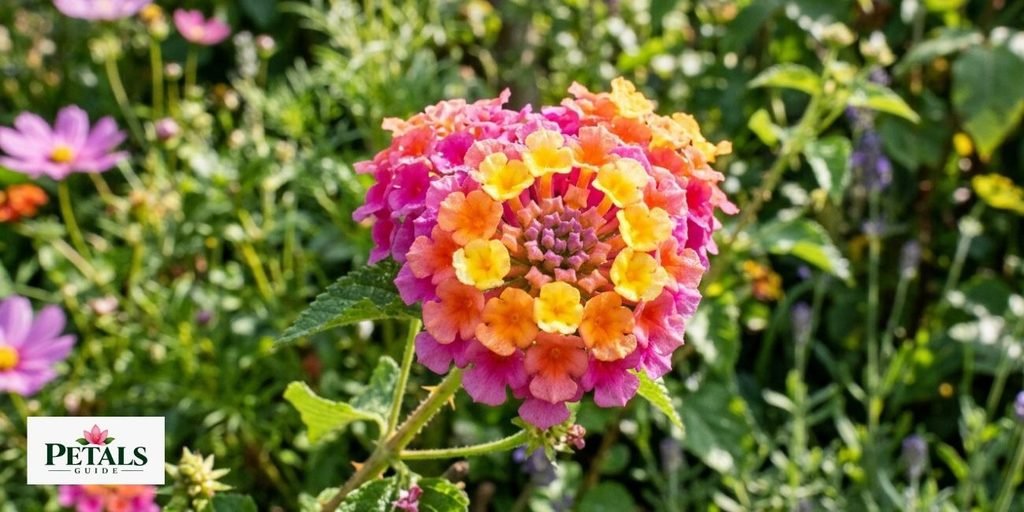
The colorful clusters of Lantana (Lantana camara) can make it a lovely example of flowers and rainbows meeting in the garden. Depending on the plant, shades of yellow, orange, pink, and purple may appear together or across different clusters.
Note: Lantana is not a rainbow rose, but its varied blooms offer a similar burst of color in a very different form.
Plant Facts:
- USDA Zone: 7–11
- Bloom Time: Summer to fall
- Sun: Full sun
- Water: Low
- Soil: Sandy or loamy
- Best For: Borders, pollinator gardens
2. Iris Germanica (Bearded Iris)
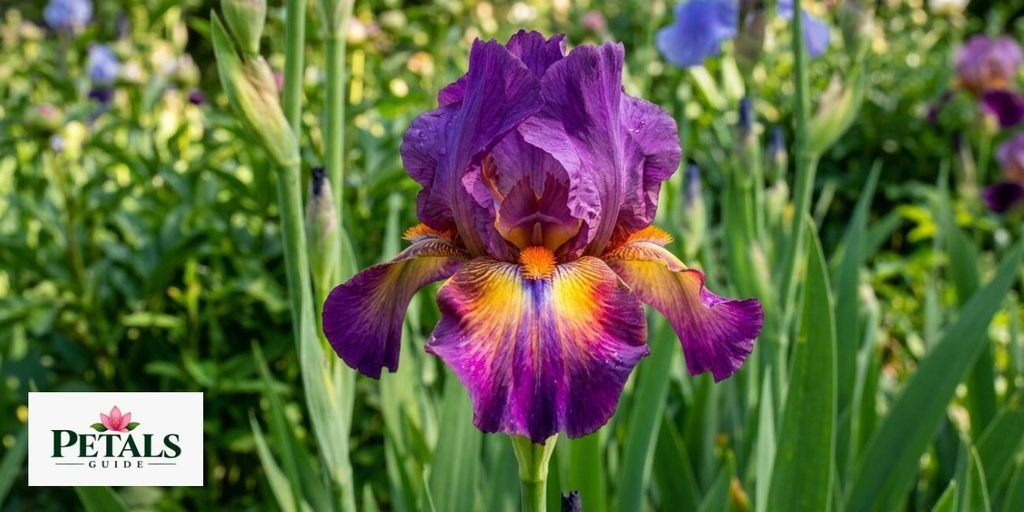
Iris germanica, or bearded iris, is often described as a rainbow flower because its blooms can combine striking colors and patterns. The upper petals rise above the lower petals, so the contrast between them is easy to see.
Note: While a rainbow rose may be chosen for its bold, multicolored appearance, bearded iris offers a different kind of beauty. Its varied shades make it a natural fit for searches for rainbow flowers, rainbow colored flowers, and flowers and rainbows.
Plant Facts:
- USDA Zone: 3–9
- Bloom Time: Late spring
- Sun: Full sun
- Water: Low
- Soil: Well-drained soil
- Best For: Spring garden displays
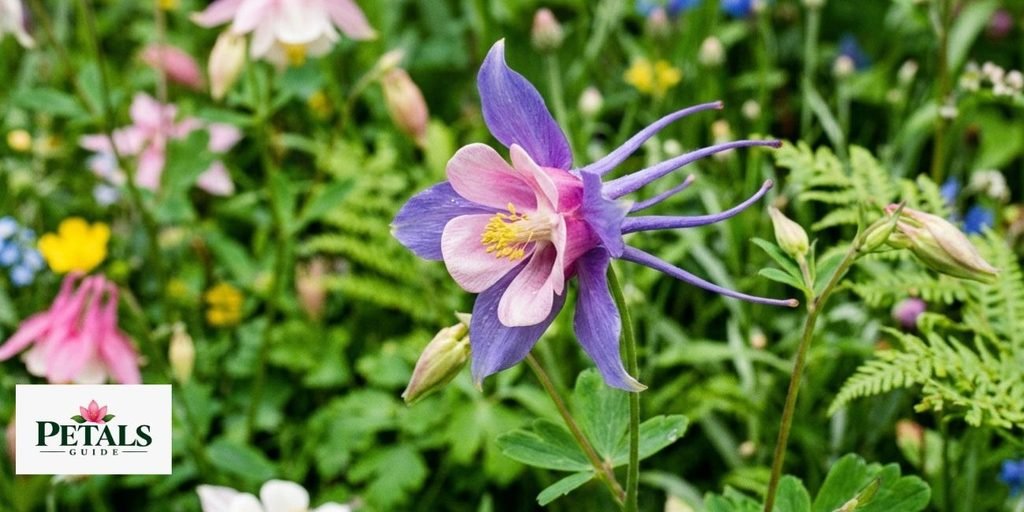
3. Columbine (Aquilegia vulgaris
Columbine (Aquilegia vulgaris) adds soft color and an elegant shape to a garden. Its flowers come in several shades, including blue, purple, pink, and white, with some blooms showing more than one color. Hummingbirds frequently visit these blooms.
Note: Unlike a rainbow rose or rose rainbow flowers, columbine is recognized for its distinctive spurred petals rather than a rose-like form. It can still appeal to gardeners looking for a rainbow flower, though its colors depend on the variety.
Plant Facts:
- USDA Zone: 3–9
- Bloom Time: Late spring
- Sun: Partial shade
- Water: Moderate
- Soil: Moist, well-drained
- Best For: Cottage gardens
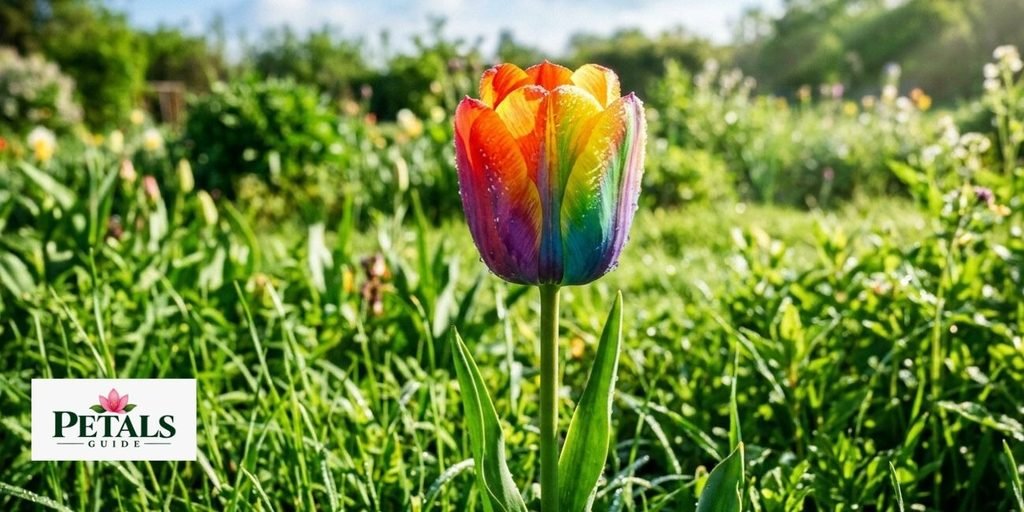
4. Rainbow Tulip (Tulipa gesneriana – Natural Hybrids)
across its petals. It brings together the charm of a tulip and the playful look of rainbow flowers.
Some rainbow-colored flowers are colored after they are cut, while others may be pictured or arranged to create a rainbow effect. If you want a real rainbow tulip, check how its colors were made before buying.
Plant Facts:
- USDA Zone: 3–8
- Bloom Time: Spring
- Sun: Full sun
- Water: Low
- Soil: Sandy loam
- Best For: Spring bouquets
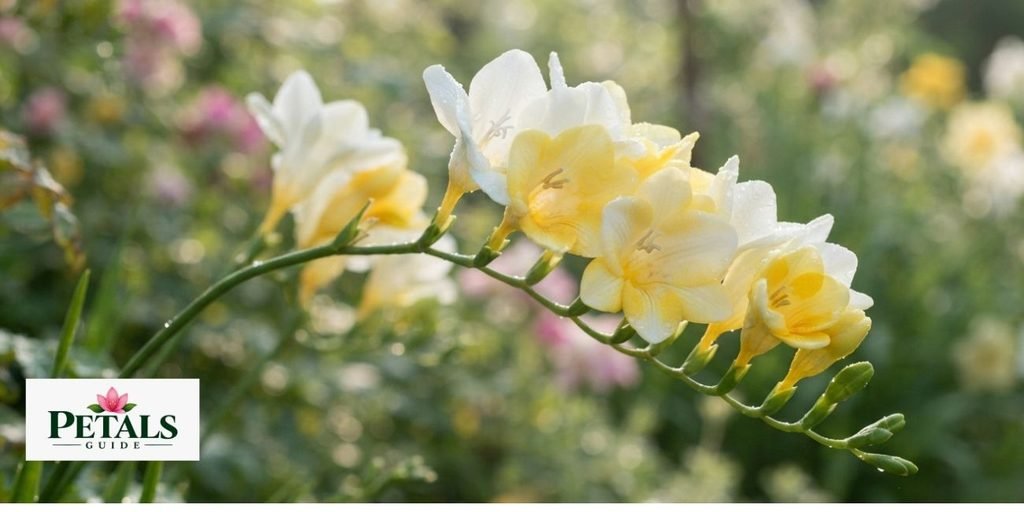
5. Freesia (Freesia refracta)
Freesia (Freesia refracta) can bring a rainbow feeling to a floral display. The name “rainbow flower” describes the colorful look of an arrangement, not a single bloom showing every color at once.
Note: Unlike a rainbow rose made with several colors on one flower, a rainbow of flowers can come from combining blooms in different shades.
Plant Facts:
- USDA Zone: 9–10
- Bloom Time: Spring
- Sun: Full sun to light shade
- Water: Moderate
- Soil: Well-drained
- Best For: Scented bouquets
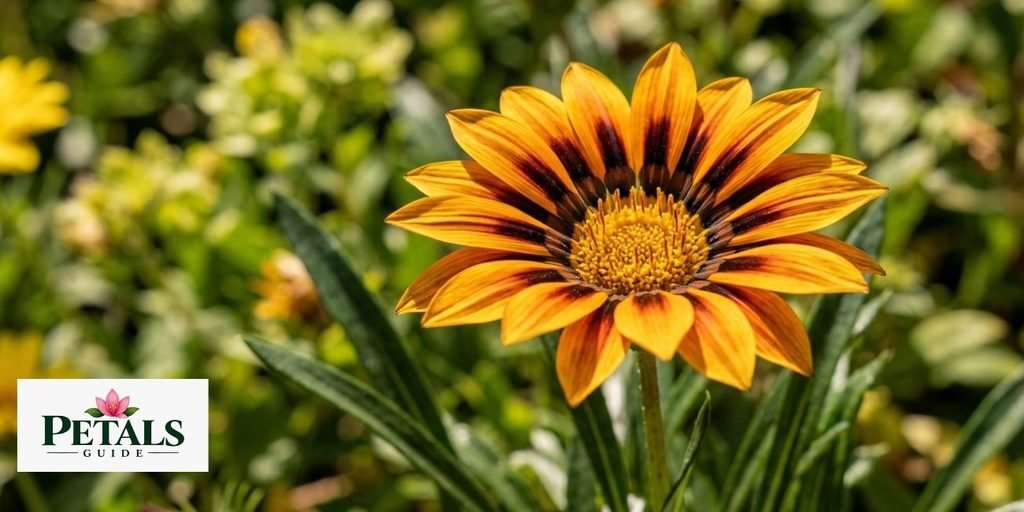
6. Gazania (Gazania rigens)
Gazania can be described as a rainbow flower for its vivid blooms and range of colors. Some have bold petals with contrasting markings, giving each flower a bright, patterned look.
Note: Unlike a rainbow rose, Gazania is not one flower made to show every color at once. It is a real flower whose natural varieties offer different colors, making it a cheerful choice among rainbow colored flowers.
Plant Facts:
- USDA Zone: 9–11
- Bloom Time: Summer
- Sun: Full sun
- Water: Low
- Soil: Poor to average
- Best For: Hot, dry landscapes
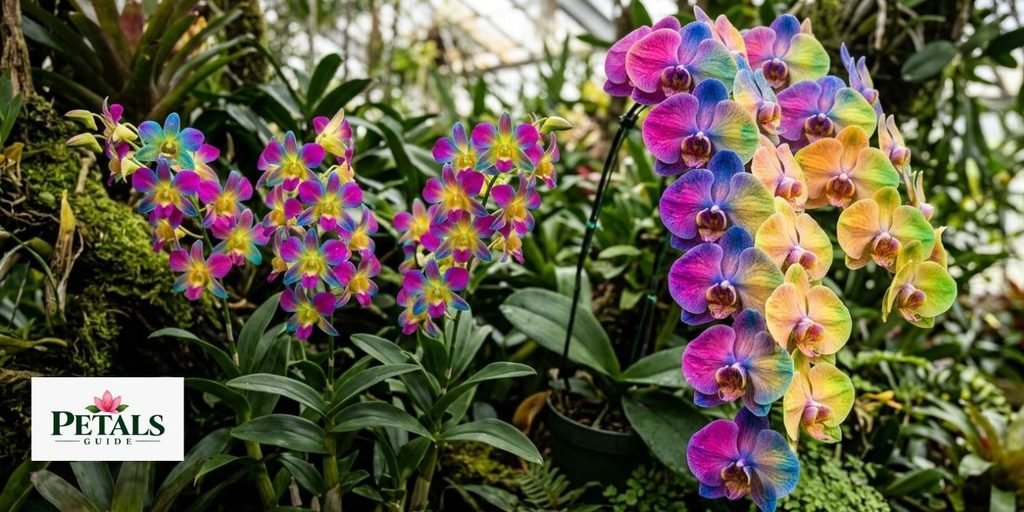
7. Rainbow Orchids (Hybrid Dendrobium & Phalaenopsis)
Rainbow orchids are white orchids that have been colored with dye. Their bright petals may show several shades at once, making them a striking rainbow flower among other rainbow colored flowers. The color is added by people, rather than growing naturally on the plant.
Note: Like a rainbow rose, a rainbow orchid is made for its vivid look. These flowers can add a bold touch to a display, but their color may vary depending on how they were dyed. They are a colorful choice for anyone drawn to flowers and rainbows.
Plant Facts:
- USDA Zone: 9–12
- Bloom Time: Varies
- Sun: Indirect light
- Water: Low
- Soil: Orchid bark mix
- Best For: Indoor arrangements
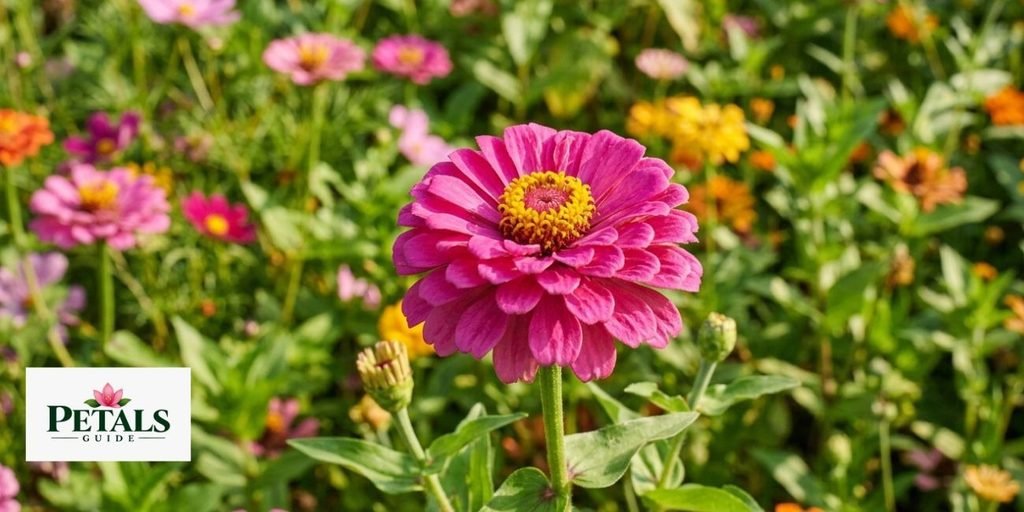
8. Zinnia Elegans
Zinnia elegans is a popular garden flower known for its bright, daisy-like blooms. Its flowers come in a range of colors, so planting several varieties can create a cheerful rainbow of flowers without making each bloom look rainbow-colored.People sometimes use “rainbow flower” or “rainbow flowers” to describe a colorful mix like this.
Note: Unlike a rainbow rose, which is often created by coloring a cut flower, Zinnia elegans brings natural color to the garden. It is one way to enjoy flowers of the rainbow in a planted display.
Plant Facts:
- USDA Zone: 2–11
- Bloom Time: Summer to frost
- Sun: Full sun
- Water: Moderate
- Soil: Average soil
- Best For: Summer bouquets
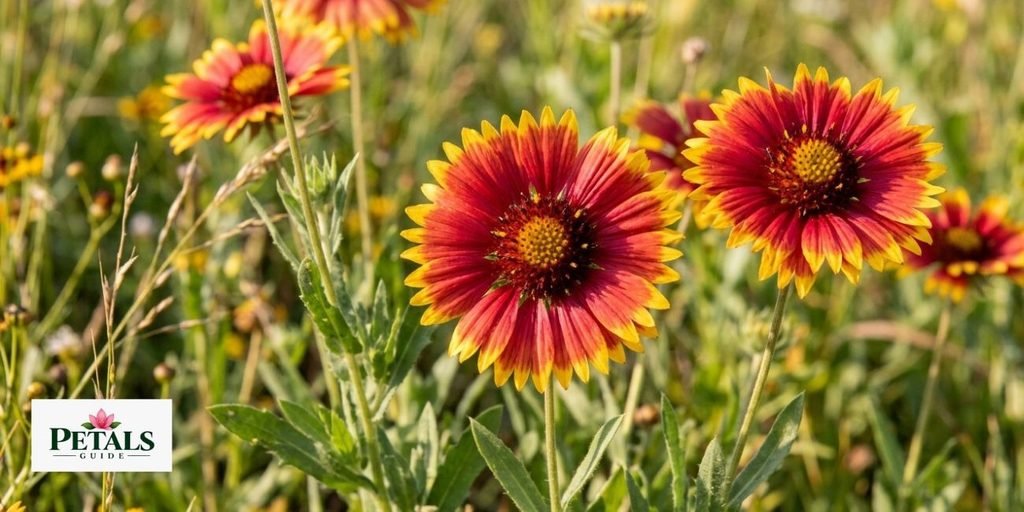
9. Blanket Flower (Gaillardia pulchella)
Blanket flower (Gaillardia pulchella) is often called a rainbow flower for its bright mix of red, orange, and yellow. Its daisy-like petals can show more than one color at once, bringing the look of a small rainbow of flowers to a garden.
Note: Unlike a rainbow rose, blanket flower gets its color naturally, though it does not display every color of the rainbow. For anyone searching for real rainbow flowers, it is a vivid, easy-to-recognize choice.
Plant Facts:
- USDA Zone: 3–10
- Bloom Time: Summer
- Sun: Full sun
- Water: Low
- Soil: Sandy soil
- Best For: Drought-tolerant gardens
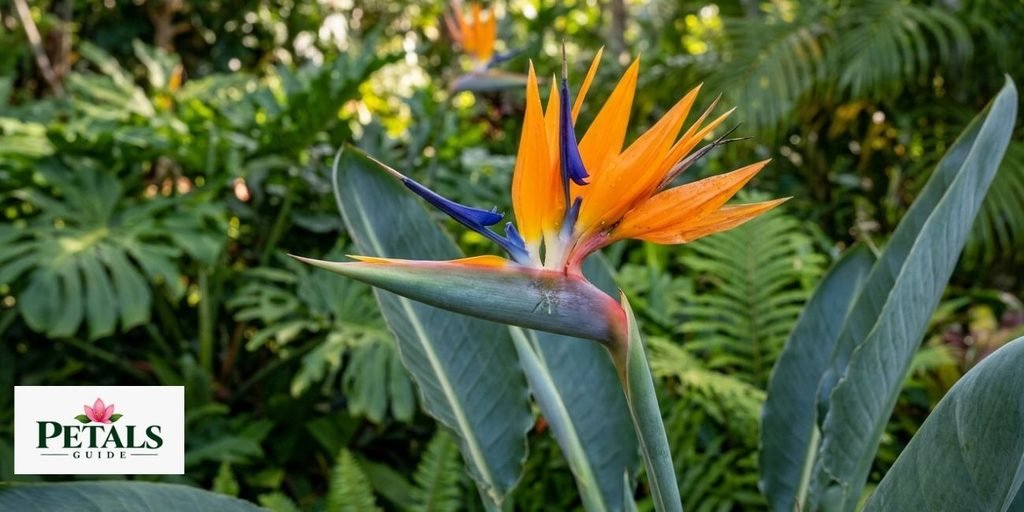
10. Bird of Paradise (Strelitzia reginae)
Bird of Paradise (Strelitzia reginae) is often described as a rainbow flower because its orange and blue petals create a lively color contrast. It is one striking example in a rainbow of flowers, but its natural bloom does not contain every color of the rainbow.
Note: Among rainbow flower names, Bird of Paradise is a familiar pick for people who want a naturally vivid bloom. It offers a bold mix of colors rather than the full rainbow effect seen in some rainbow roses.
Plant Facts:
- USDA Zone: 10–12
- Bloom Time: Spring to summer
- Sun: Full sun
- Water: Moderate
- Soil: Rich soil
- Best For: Tropical arrangements
Hybrid or Artificially Colored Rainbow Flowers
Hybrid flowers are bred from different plants to bring together traits such as color or shape. Artificially colored rainbow flowers, including many rainbow roses, get their vivid shades through dye rather than through a naturally rainbow-colored variety. Below are 10 Hybrid or Artificial Coloured flowers to explore.
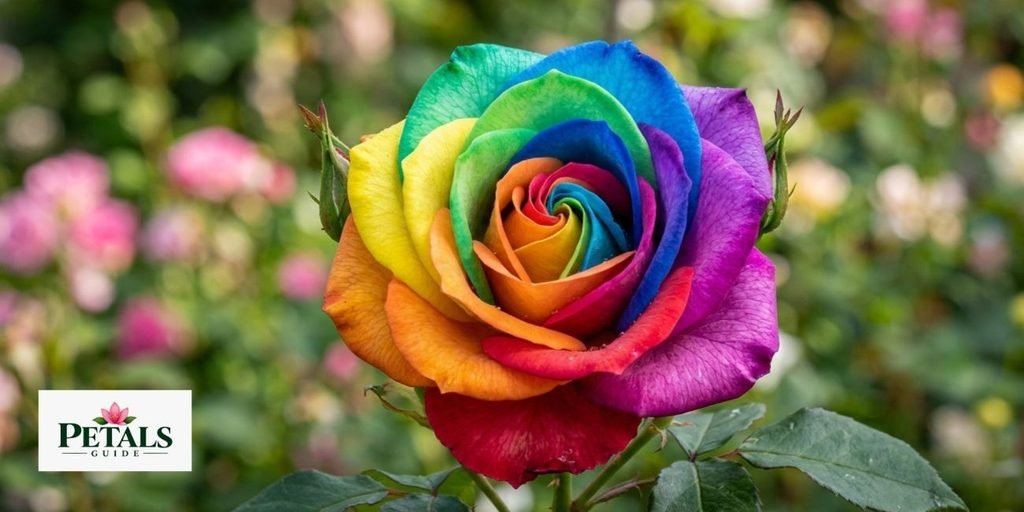
11. Rainbow Rose (Rosa spp.)
Rainbow roses are real roses, but their rainbow colors are usually added after harvest. A common method places the cut stem in colored water so the colors travel into the petals. Because the colors are added, each rose can have a distinctive pattern.
This process makes the rainbow rose one of the most recognizable rose rainbow flowers. It is a colorful choice for a bouquet, though it is different from flowers that naturally grow in several colors.
Plant Facts:
- USDA Zone: 5–9
- Bloom Time: Spring to fall
- Sun: Full sun
- Water: Moderate
- Soil: Well-draining loam
- Best For: Gift bouquets, centerpieces
12. Rainbow Chrysanthemum (Chrysanthemum morifolium)
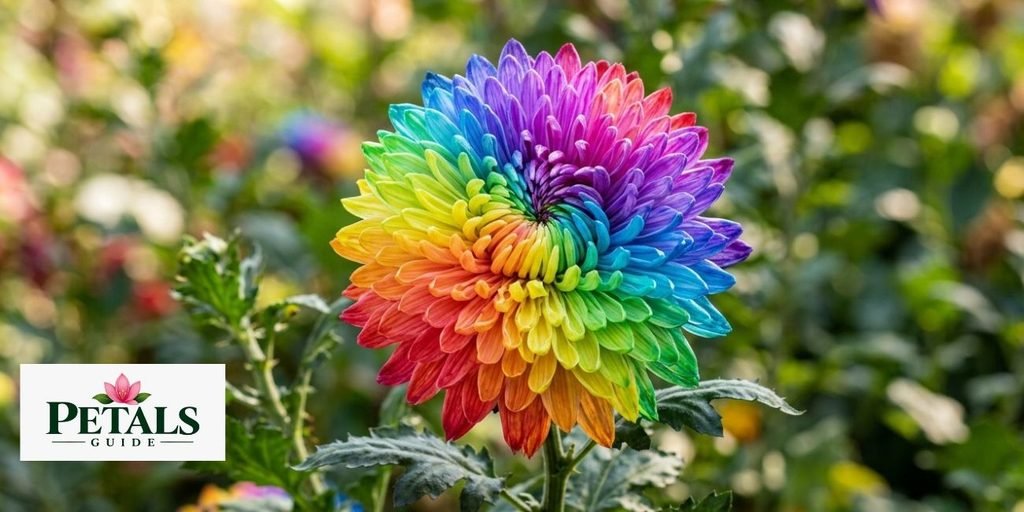
A rainbow chrysanthemum is a real flower with colors added by a florist. It is usually a white Chrysanthemum morifolium whose cut stem takes up several colored dyes. This process gives the petals a rainbow look, even though the flower did not grow that way.
So, when people search for real rainbow flowers or flowers of the rainbow, they may be looking at flowers that have been artificially colored. Rainbow chrysanthemums and rainbow roses can be striking, but their color comes from dye, not a natural rainbow pattern.
Plant Facts:
- USDA Zone: 5–9
- Bloom Time: Fall
- Sun: Full sun
- Water: Moderate
- Soil: Rich, moist
- Best For: Long-lasting bouquets
13. Rainbow Pansy (Viola tricolor – Enhanced Varieties)
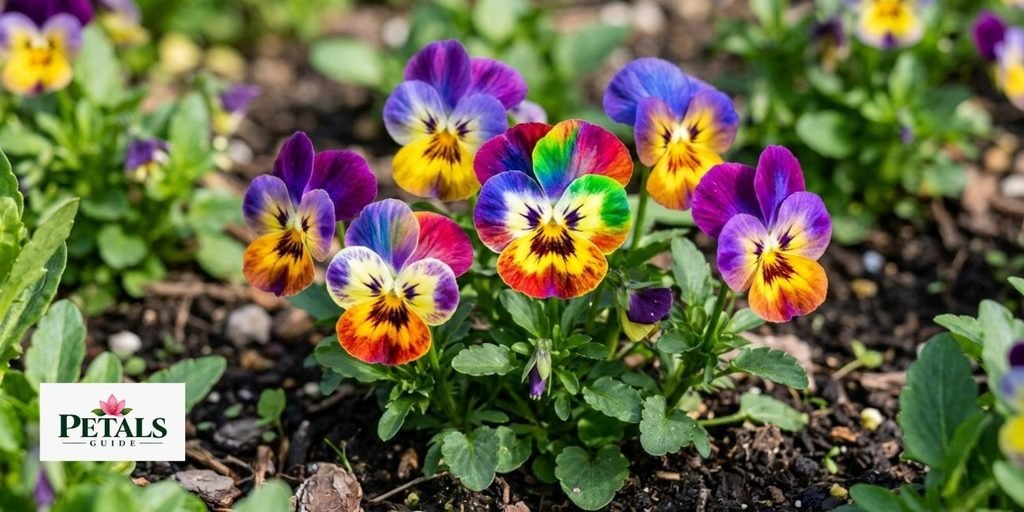
Rainbow pansies are colorful flowers, not usually artificially colored ones. Viola tricolor and its enhanced varieties can show natural combinations of shades and markings, creating a rainbow-like look across their petals.
Note: Unlike a rainbow rose, which may be dyed, a pansy’s colors are part of the flower itself. These are real rainbow flowers in a blended, petal-by-petal sense—not flowers with every color of the rainbow in one bloom.
Plant Facts:
- USDA Zone: 3–9
- Bloom Time: Spring and fall
- Sun: Partial sun
- Water: Moderate
- Soil: Moist soil
- Best For: Containers, borders
14. Snapdragon (Antirrhinum majus – Hybrid Mixes)
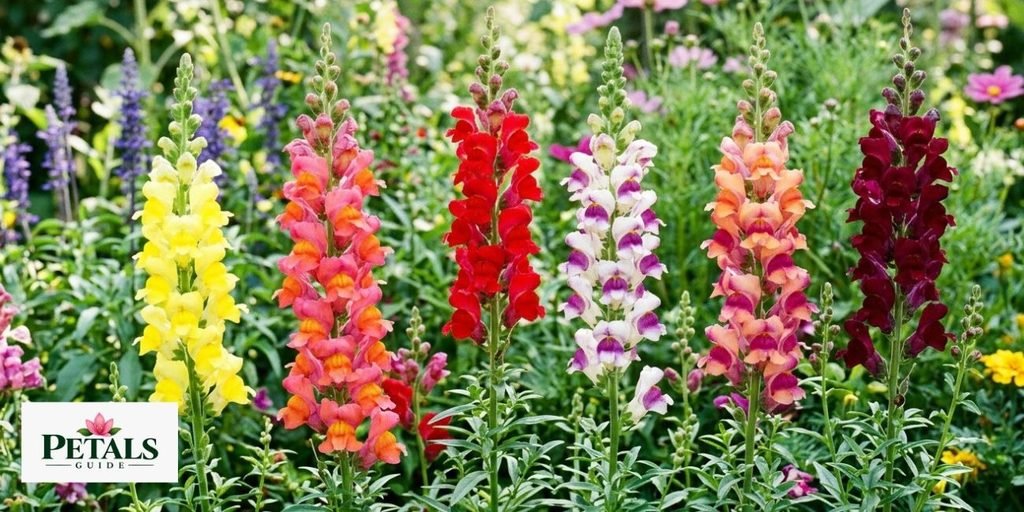
Snapdragon (Antirrhinum majus) hybrid mixes are garden flowers bred to offer a range of colors and forms. A mix may include blooms in shades such as red, pink, yellow, orange, and white, creating a rainbow of flowers in a planting.
These are real flowers, not necessarily artificially colored rainbow flowers. Each bloom has its own natural color, the rainbow effect comes from growing different varieties together.
Note: Unlike a rainbow rose made with colored petals, snapdragon colors are part of the plant’s variety.
Plant Facts:
- USDA Zone: 7–10
- Bloom Time: Spring to summer
- Sun: Full sun
- Water: Moderate
- Soil: Well-drained
- Best For: Tall arrangements
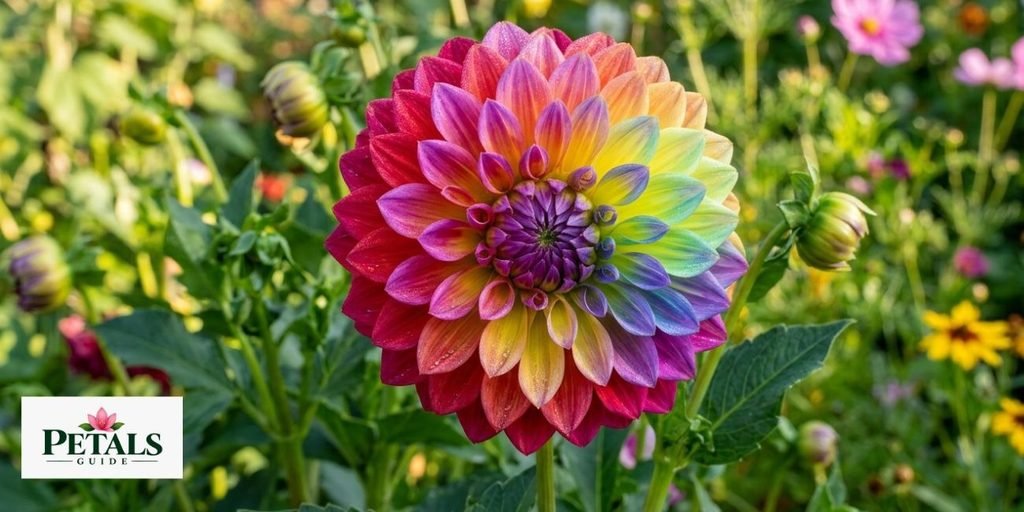
15. Dahlia Pinnata (Rainbow Hybrids)
Dahlia pinnata Rainbow Hybrids are best understood as dahlias selected for colorful blooms, not as flowers with every color of the rainbow in a single petal. A packet or planting may include blooms in different shades, creating a rainbow of flowers across the garden.
Note: Unlike a rainbow rose, which may be artificially colored, dahlias usually get their color from their variety.
Plant Facts:
- USDA Zone: 8–11
- Bloom Time: Summer to fall
- Sun: Full sun
- Water: Moderate
- Soil: Rich loam
- Best For: Luxury bouquets
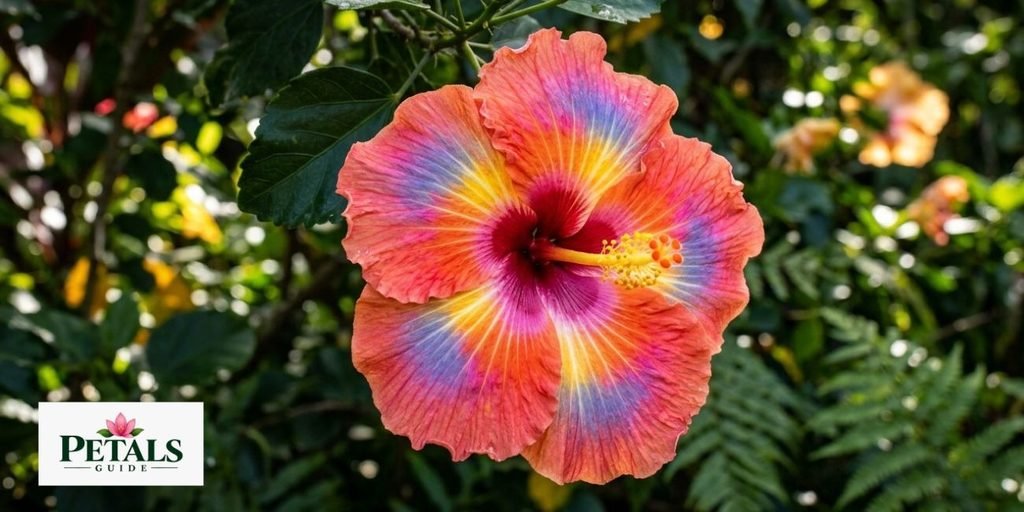
16. Rainbow Hibiscus (Hibiscus rosa-sinensis hybrids)
A rainbow hibiscus may be a colorful Hibiscus rosa-sinensis hybrid or a bloom whose petals have been artificially colored. These are different things, hybrid flowers can have varied natural shades, while added color creates a separate rainbow-style effect.
Note: If you want a naturally colored hibiscus, look for a clear cultivar name and a description of its colors. The same care is helpful when comparing rainbow flower names or shopping for rose rainbow flowers, the label alone may not explain whether the color is natural or added.
Plant Facts:
- USDA Zone: 9–11
- Bloom Time: Summer
- Sun: Full sun
- Water: High
- Soil: Moist soil
- Best For: Tropical patios
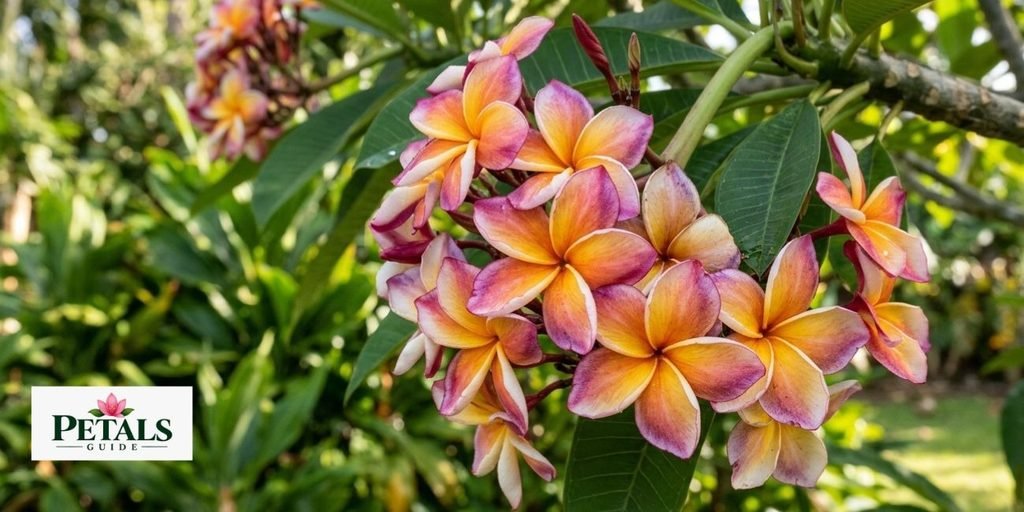
17. Plumeria (Rainbow Cultivars)
For a garden full of color, rainbow plumeria cultivars offer a natural option, hybrid plants with blooms that may blend different shades. Their petals can suggest a rainbow, even though they are not usually a single flower showing every color in the spectrum. This makes them a distinctive choice among flowers of the rainbow.The term “rainbow flower” can also refer to an artificially colored bloom, so it is useful to check how the color was produced.
Note: A naturally multicolored plumeria is different from a rainbow rose or other treated flower. Choose based on whether you prefer a plant’s natural color pattern or an altered display.
Plant Facts:
- USDA Zone: 10–12
- Bloom Time: Spring to fall
- Sun: Full sun
- Water: Low
- Soil: Sandy soil
- Best For: Tropical decor
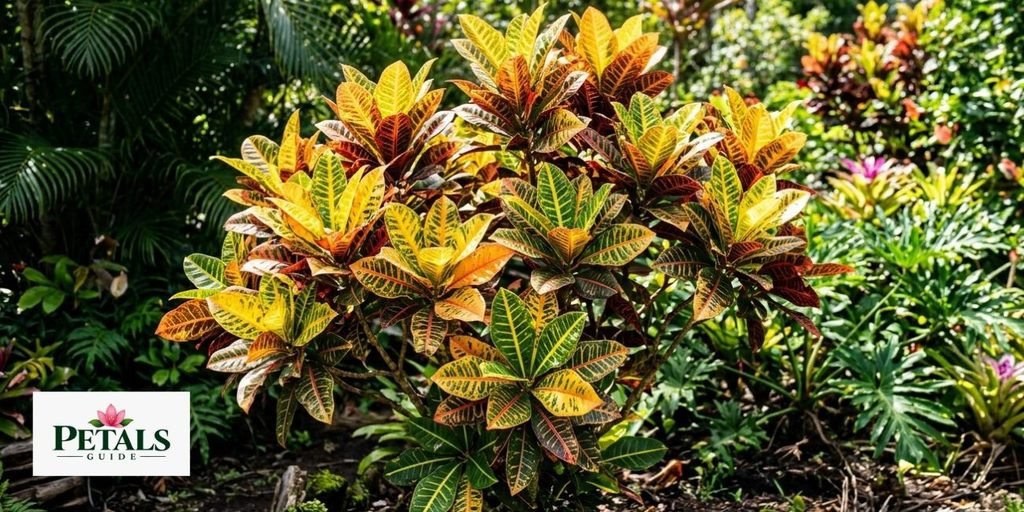
18. Croton Plant (Codiaeum variegatum – Color Varieties)
Codiaeum variegatum, commonly called croton, is known for patterned leaves in a range of vivid colors.Those leaves may bring to mind kaleidoscope roses or multi colored roses, but they are not petals.
Note: Croton is a living plant, not artificial rainbow flowers, and its appeal comes from the changing patterns across its foliage.Pair it with blooms if you want a display that combines leafy color and flowers.
Plant Facts:
- USDA Zone: 10–12
- Bloom Time: Foliage plant
- Sun: Bright light
- Water: Moderate
- Soil: Rich soil
- Best For: Indoor decoration
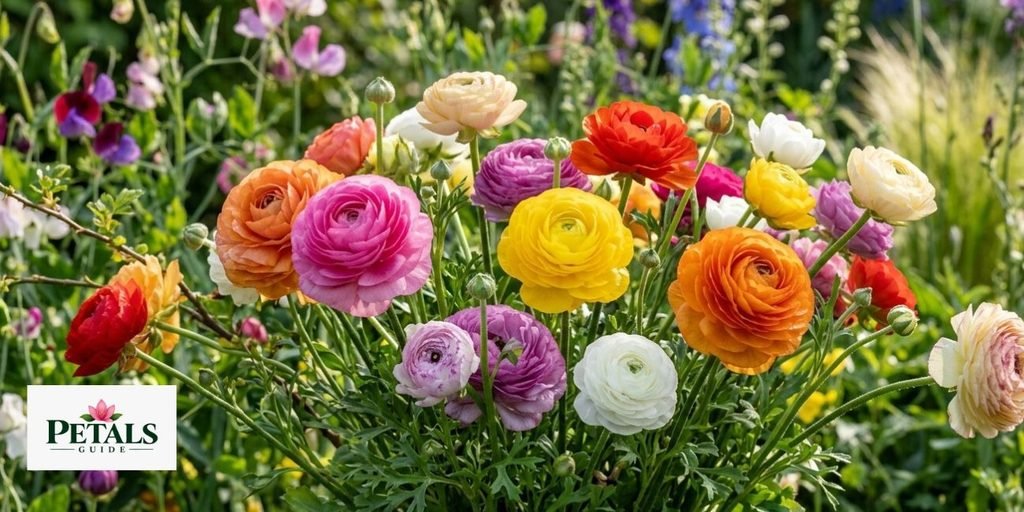
19. Ranunculus (Rainbow Mix Hybrids)
For a rainbow bouquet, Ranunculus Rainbow Mix Hybrids add soft, layered petals and varied color.They are real flowers and artificial rainbow flowers or multicolored roses.Their colors can complement a rainbow rose or other blooms in a mixed arrangement.The result is a flower rainbow effect with a different shape in every stem and used for weddings.
Plant Facts:
- USDA Zone: 8–10
- Bloom Time: Spring
- Sun: Full sun
- Water: Moderate
- Soil: Well-drained soil
- Best For: Wedding bouquets
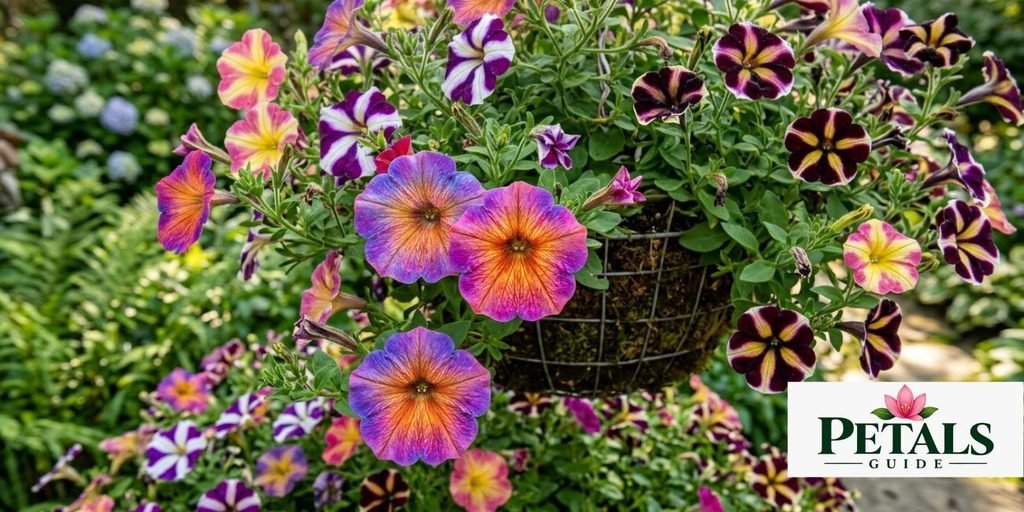
20. Rainbow Petunias (Petunia Hybrida – Enhanced Varieties)
Rainbow Petunias are artificial rainbow flowers, rather than naturally rainbow-colored blooms. They give you a bright, colorful look in a decorative form.
Note: If you are comparing them with real rainbow roses or a rainbow rose, note that these are different flower styles. Both can inspire a colorful bouquet.
Plant Facts:
- USDA Zone: 9–11
- Bloom Time: Summer
- Sun: Full sun
- Water: Moderate
- Soil: Fertile soil
- Best For: Hanging baskets
Best Uses of Rainbow Flowers in Bouquets & Décor
Wedding Bouquets
Rainbow flowers can give a wedding bouquet a bright, personal feel. A rainbow flower bouquet pairs a multicolor rose with other blooms to bring several colors together in one arrangement, while keeping the flowers chosen to suit the couple’s style.
Birthday and Gift Bouquets
Rainbow flowers bring a bright, playful look to birthday bouquets and gifts.A rainbow rose or multicolor rose can add a cheerful focal point among fresh greenery and other blooms.Rainbow roses are real roses whose petals are colored to create a vivid, multicolored effect.A rainbow flower bouquet makes a colorful way to celebrate someone’s special day.
Home Decoration Ideas
A multicolor rose arrangement can give a room a cheerful, playful touch. Rainbow roses real or decorative can be styled in a simple vase so their varied colors remain the main feature. Pair multi colored roses with neutral surroundings for a balanced look.
Rainbow Flowers Price & Where to Buy
A multicolor rose can cost more than a standard rose because its colorful petals may require extra preparation. Exact prices vary by seller, size, and arrangement; check current listings for a quote.
Look for flowers rainbow arrangements at local florists or online flower shops. Compare photos, delivery details, and the number of stems before ordering.
How to Grow a Rainbow Flower Plant at Home
You can grow a rose in a container at home, though its blooms will have the natural color of the variety you choose. Rainbow flowers sold as cut stems are often colored after harvest, so they do not grow that way on a living plant.
Use a pot with drainage holes and quality potting mix, then place it in a sunny location. Check the soil regularly, watering when the top feels dry, and follow the plant label for feeding and pruning guidance.
Key Takeaways for Bouquet Makers & Gardeners
Rainbow flowers bring several colors into one bouquet, so balance is key. Choose a main shade, then use supporting colors to keep the arrangement from feeling crowded. A multicolor rose can serve as a focal flower, with simpler blooms and greenery around it.
- Mix different colors: Combine bright and soft shades to create a beautiful, balanced rainbow effect.
- Choose flowers with different shapes: Mixing large blooms with small flowers and delicate fillers makes bouquets more interesting.
- Consider flower freshness: For bouquets, choose flowers with similar vase lives so the arrangement stays fresh and attractive for longer.
- Match flowers to their growing needs: Gardeners should group flowers that need similar sunlight, water, soil, and temperature conditions.
- Plan your garden colors: Place complementary colors together to create a cheerful and eye-catching flower garden.
- Use seasonal flowers: Choosing flowers that naturally bloom in the same season can make both gardening and bouquet-making easier.
- Keep the arrangement natural: Avoid using too many competing colors. Let a few beautiful shades become the main focus.
- Think about maintenance: Choose flowers that match the amount of time and care you can provide.
- Enjoy experimenting: There is no single perfect rainbow flower combination. Try different colors and flower varieties to find a style you love.
A little planning helps flowers in a rainbow palette feel coordinated rather than busy.
Final Thoughts
Rainbow flowers make it easy to bring color and personality to a bouquet. Use the names and pictures in this guide to find blooms you like, then choose a mix of shades that feels balanced to you.
FAQs
1. Do rainbow flowers exist?
Yes. Some flowers naturally show multiple colors, while others are specially dyed to create a rainbow effect.
2. Are rainbow roses real?
Yes, rainbow roses are real, but their bright multicolor petals are usually created by dyeing white roses.
3. What rose color is rarest?
Blue is one of the rarest rose colors because true blue roses do not naturally occur.
4. Are rainbow rose seeds real?
Usually, no. Rainbow roses are generally made by dyeing roses rather than growing them from special rainbow seeds.
5. How do I grow rainbow flowers?
You can grow naturally multicolored flowers from regular seeds, but true rainbow-colored flowers usually need special coloring methods.
6. Can I make rainbow flowers?
Yes. White flowers can be colored with different dyes to create a rainbow effect.
7. How do I dye a flower rainbow?
Split the flower stem into sections and place each section in a different colored water-based dye. The petals gradually absorb the colors.
8. Can rainbow flowers be grown from seeds?
Not usually. Most rainbow flowers are created through natural varieties, breeding, or dyeing rather than special rainbow seeds.