
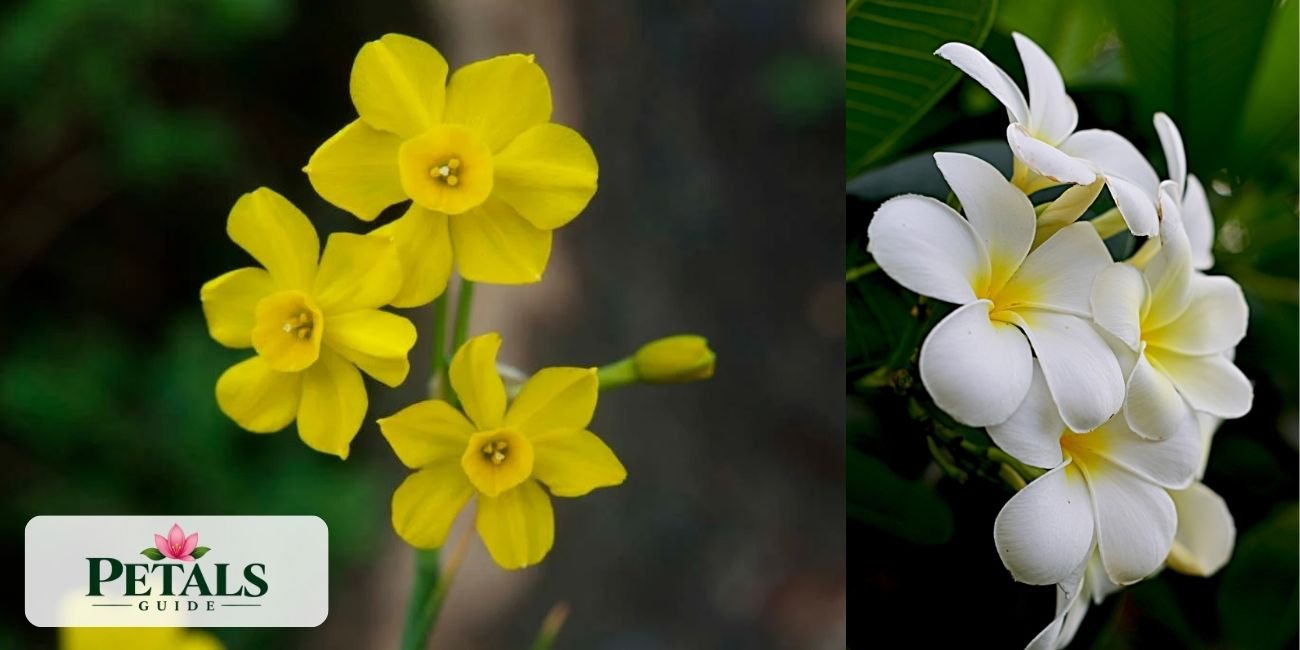
This article uncovers the top 15 flowers that start with J, each offering its own unique flair and appeal. Understanding these J flowers can not only enhance your gardening skills but also enrich your appreciation for nature’s diversity. Get ready for a floral journey that will expand your knowledge and ignite your creativity.
List of Flowers That Start With J
Here is the list of the top 15 beautiful flowers that start with J.
- Japanese Rose — Kerria japonica
- Jasmine — Jasminum
- Japanese Iris — Iris ensata
- Jacob’s Ladder — Polemonium
- Jerusalem Sage — Phlomis fruticosa
- Japanese Anemone — Anemone hupehensis
- Jupiter’s Beard — Centranthus ruber
- Japanese Camellia — Camellia japonica
- Johnny Jump-Ups — Viola tricolor
- Joe-Pye Weed — Eutrochium
- Jonquil — Narcissus jonquilla
- Jewelweed — Impatiens capensis
- Jack-in-the-Pulpit — Arisaema triphyllum
- Japanese Primrose — Primula japonica
- Jewel Orchid — Ludisia discolor
Japanese Rose
- Botanical Name: Kerria japonica
- Curb Appeal Focus: Bright yellow blooms in spring
- USDA Zone: 4-9
- Plant Type: Shrub
Japanese Rose (Kerria japonica) captivates with its vivid yellow blooms that light up gardens in early spring, well before many other plants begin to show their colors. This deciduous shrub typically reaches a height of around 3 to 6 feet, forming arching branches adorned with lush green foliage. Its flowers, resembling miniature roses, create a striking contrast against the vibrant leaves, offering a splash of sunshine even on gray days. Blooming from March to May, this j flower earns its reputation as an early seasonal bird, providing delightful bursts of color in the transitional months.
Native to East Asia, especially the mountainous regions of China and Japan, this resilient plant thrives in various conditions, preferring well-drained soil and partial shade. Its robust growth habit makes it an excellent choice for garden borders or naturalized landscapes, where it can spread gracefully without being invasive. An interesting aspect of the Japanese Rose is its unique flowering pattern; the flower clusters often appear alongside bright green shoots, enhancing the overall texture of the garden.
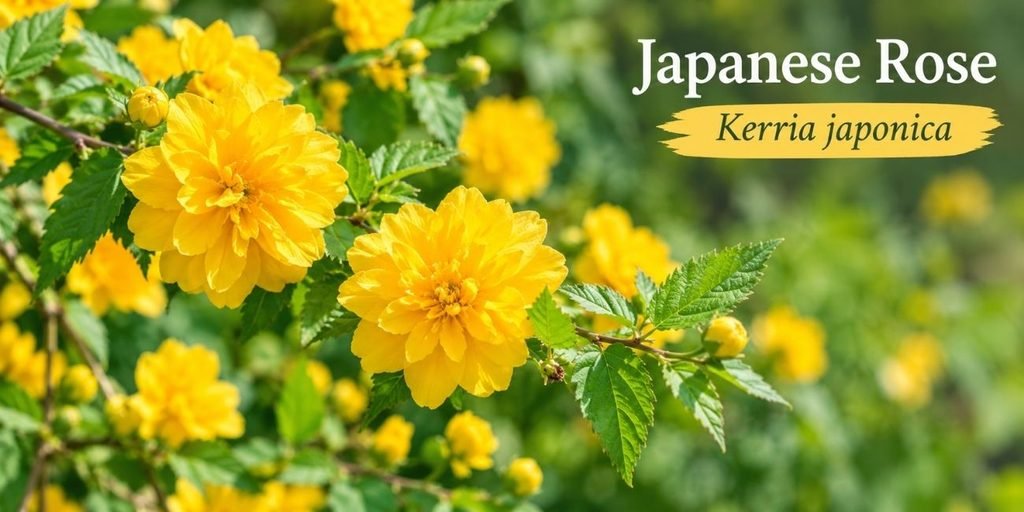
In addition to its ornamental capabilities, Kerria japonica provides ecological benefits by attracting pollinators, making it an excellent addition to any wildlife-friendly garden. This vibrant shrub’s common names, such as “Easter Rose” or “Yamabukizaki,” reflect its cultural significance in Japan, where it symbolizes resilience and beauty, reminding us of the enduring allure of nature.
Jasmine
- Botanical Name: Jasminum Spp.
- Curb Appeal Focus: Fragrant white or yellow flowers
- USDA Zone: 6-10
- Plant Type: Vine
Jasmine (Jasminum) stands out among the flowers that start with J, largely due to its strong, sweet fragrance that can fill an entire garden. The delicate, star-shaped flowers come in various colors, including white, yellow, and pink, making them visually appealing as well. Jasmine can grow as a climbing vine or in shrubby forms, lending itself beautifully to gardens or patios. Typically blooming from spring through early fall, its stunning blossoms often attract bees and butterflies, enhancing the garden experience.
Growing jasmine is fairly straightforward, as it thrives in sunny spots with well-draining soil. Depending on the species, it prefers warm climates, making it a go-to choice for gardens in regions with mild winters. The diverse genus includes many species, each adding its unique charm; for instance, jasmine is often used in perfumes and is celebrated in various cultures for its romantic symbolism, representing love and purity.
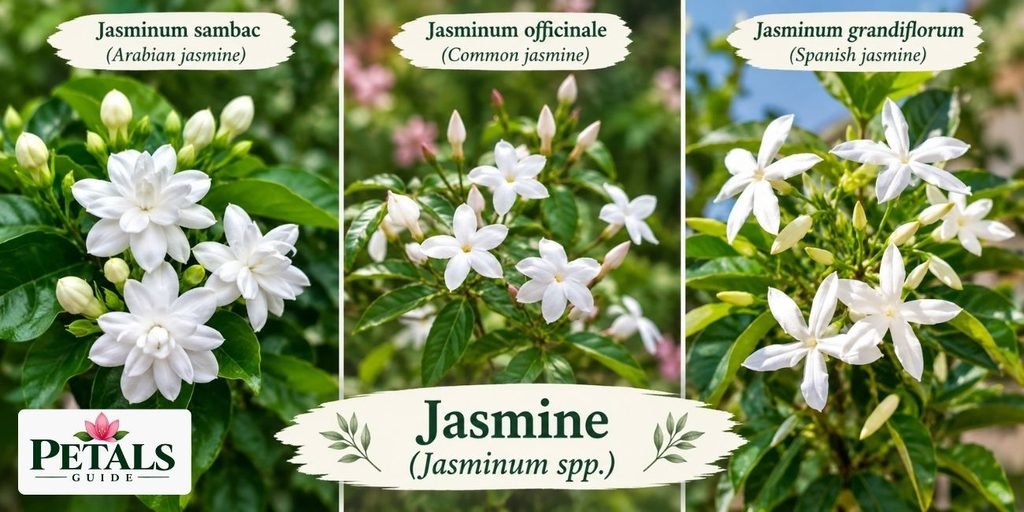
One interesting aspect of jasmine is its role in traditional teas, especially in parts of Asia, where the flowers are infused to create aromatic beverages that are enjoyed for both flavor and health benefits. This cultural significance further highlights why jasmine remains a popular choice among ornamentals, combining beauty with a rich heritage.
Japanese Iris
- Botanical Name: Iris ensata
- Curb Appeal Focus: Elegant, striking blooms
- USDA Zone: 4-9
- Plant Type: Perennial
Japanese Iris (Iris Ensata) is known for its striking, large, flat flowers that showcase a rich palette of colors, from deep purples to soft whites. Each petal often features vibrant markings that add to its allure. The sword-like leaves contrast beautifully with the blooms, forming a lush backdrop that enhances the overall look. This iris prefers moist conditions, thriving in areas with plenty of water. You’ll usually see its gorgeous flowers in bloom during the summer months, typically in June and July.
Native to Japan and parts of East Asia, Iris ensata has become a favorite in ornamental gardens around the world. Given its love for water, it fits perfectly along pond edges and in water gardens, where it adds a splash of color. It also thrives in rain gardens, where the soil remains slightly damp.
The combination of its bold flowers and elegant foliage makes it appealing for borders, creating a charming transition between different garden areas. An interesting aspect of Japanese Iris is its cultural significance in Japan, where it is celebrated during the Iris Festival in June. This event pays homage to the flower’s beauty and importance in traditional Japanese art.
Jacob’s Ladder
- Botanical Name: Polemonium
- Curb Appeal Focus: Delicate clusters of blue flowers
- USDA Zone: 3-8
- Plant Type: Perennial
Jacob’s Ladder gets its name from the unique arrangement of its leaves, which grow in a tiered, ladder-like formation. This perennial plant features delicate clusters of blue to lavender flowers that bloom from late spring to early summer. Growing up to 2 feet tall, Jacob’s Ladder prefers partially shaded areas and thrives in moist, well-drained soil, making it a great addition to woodland gardens or shaded borders.
Native to North America, this flower enjoys rich, organic conditions but can adapt to a range of soils. Its growth habit is spreading, allowing it to form lovely patches over time. An interesting fact about Jacob’s Ladder is that its leaves often turn golden-yellow in fall, adding a splash of color to the garden. With its attractive flowers and vibrant foliage, this plant is not only visually appealing but also serves as a vital nectar source for pollinators, making it a wonderful choice for eco-friendly landscaping.
Jerusalem Sage
- Botanical Name: Phlomis fruticosa
- Curb Appeal Focus: Unique, fuzzy yellow blooms
- USDA Zone: 7-10
- Plant Type: Perennial
Jerusalem Sage, or Phlomis fruticosa, is easily recognized by its unique whorled flower arrangement that resembles small, golden-yellow lanterns. These bright flowers bloom in late spring and early summer, creating a stunning contrast against the plant’s grey-green, woolly leaves. Typically growing up to three feet tall, it forms a bushy shape that adds structure and texture to gardens. Native to the Mediterranean region, this hardy plant thrives in full sunlight and adapts well to poor, dry soils.
Watering needs are minimal, making Jerusalem Sage an excellent choice for those in drier climates or for anyone seeking low-maintenance garden options. Its drought tolerance means it can survive long periods without rain, relying on its unique ability to store moisture in its leaves. The name “sage” comes from its use in traditional remedies, reflecting its value beyond ornamental beauty.
Japanese Anemone
- Botanical Name: Anemone hupehensis
- Curb Appeal Focus: Soft pink flowers in late summer
- USDA Zone: 4-8
- Plant Type: Perennial
Japanese Anemone (Anemone hupehensis) shines in late summer and early fall when most flowers have completed their show. This lovely plant grows tall, often reaching heights of 2 to 4 feet, with delicate, cup-shaped blooms in shades of white, pink, and purple. These flowers sway gracefully on sturdy stems, bringing life and color to a garden just as the summer blossoms begin to fade. Native to China and Japan, these anemones thrive in well-drained soil with a mix of sun and shade.
Japanese Anemones prefer moist soil and should be watered regularly to maintain their vibrant look. They can spread and form beautiful clusters, making them perfect for filling in bare spots in borders or creating charming wildflower gardens. The name “anemone” comes from a Greek word meaning “windflower,” as they often sway gently in the breeze. When looking for flowers that start with j, this lovely choice provides not just beauty, but also a connection to nature’s changing seasons.
Jupiter’s Beard
- Botanical Name: Centranthus ruber
- Curb Appeal Focus: Bright red clusters
- USDA Zone: 3-9
- Plant Type: Perennial
Jupiter’s Beard, with its dense clusters of small flowers, adds vibrant color to gardens and landscapes. This flower that starts with J can showcase shades of pink, red, or white, blooming from late spring through early fall. The plants can grow up to 2 feet tall, creating a bushy look that thrives in dry, rocky soils. Native to the Mediterranean region, it is a robust choice for gardens because it tolerates drought and can flourish in poor conditions.
Jupiter’s Beard loves full sun but will also grow in partial shade, making it versatile for various garden settings. It requires minimal watering once established, making it ideal for low-maintenance gardens. Often used in rock gardens or as border plantings, these flowers attract pollinators like bees and butterflies, enhancing the ecosystem.
Interestingly, the name “Jupiter’s Beard” is said to originate from the plant’s fluffy flower clusters, resembling the flowing beard of the Roman god. This makes it not only an eye-catching flower but also a beneficial addition to any garden.
Japanese Camellia
- Botanical Name: Camellia japonica
- Curb Appeal Focus: Lush, beautiful blooms
- USDA Zone: 7-9
- Plant Type: Shrub
The Japanese Camellia (Camellia japonica) features glossy evergreen leaves that form a lush backdrop for its striking, rose-like blooms. These flowers come in shades of pink, red, and white, often displaying subtle variations that make each blossom unique. Typically blooming from winter to spring, this plant offers a vibrant display when many other flowers are still dormant. The blossoms can grow up to 5 inches wide and thrive best in partially shaded areas, making them perfect for woodland gardens.
Native to Japan but now enjoyed worldwide, these camellias prefer well-draining, acidic soil and regular watering to keep their roots healthy. They can be used as focal points, borders, or even as container plants on patios. Japanese Camellias have been cultivated for centuries in Japan and were once a symbol of social status and admiration in traditional tea ceremonies. For those exploring flowers that begin with J, the Japanese Camellia is a beautiful choice that combines elegance with rich cultural heritage.
Johnny Jump-Ups
- Botanical Name: Viola tricolor
- Curb Appeal Focus: Cheerful purple and yellow flowers
- USDA Zone: 3-9
- Plant Type: Annual /Perennial
With their cheerful purple, yellow, and white markings, Johnny Jump-Ups (Viola tricolor) seem to wear tiny smiles on their delicate faces. These small flowers typically grow to about 6 to 12 inches tall, making them perfect for brightening up garden borders and window boxes. Preferring cooler weather, they bloom in spring and early summer, giving gardens an early splash of color when few other plants are in flower. They thrive in well-drained soil and enjoy partial shade or full sun, making them adaptable to various garden spots.
Originating from Europe, Johnny Jump-Ups are well-loved by bees and other pollinators, providing an essential food source in spring. This flower is also the ancestor of modern garden pansies, connecting it to the variety of shapes and colors we see today. Interestingly, Johnny Jump-Ups are edible; their flowers can be used as a colorful garnish in salads or desserts. In the realm of flowers that start with J, these tiny treasures not only enhance our gardens but also contribute to the ecosystem.
Joe-Pye Weed
- Botanical Name: Eutrochium
- Curb Appeal Focus: Tall with fluffy purple blooms
- USDA Zone: 4-9
- Plant Type: Perennial
Joe-Pye Weed, with its tall stems that can reach heights of 5 to 7 feet, creates an eye-catching presence in gardens. Its striking clusters of mauve or pinkish-purple flowers bloom from mid-summer into the fall, attracting a variety of pollinators. The flower heads, often round and fluffy, provide a perfect landing pad for butterflies and bees, making this plant a favorite in pollinator gardens. Joe-Pye Weed thrives in sunny spots with rich, moist soil, often found in meadows and along stream banks throughout North America.
The plant’s name is believed to come from a Native American herbalist named Joe Pye, who used it for medicinal purposes. Beyond its beauty and height, Joe-Pye Weed plays a crucial role in the ecosystem, offering nourishment to many insects, especially during the late summer when few other flowers are in bloom. Its hardiness and ability to adapt make it a fantastic choice for gardeners looking to support wildlife and enjoy the charm of flowers that start with the letter J.
Jonquil
- Botanical Name: Narcissus jonquilla
- Curb Appeal Focus: Sweetly scented yellow flowers
- USDA Zone: 8-10
- Plant Type: Bulb
Jonquil (Narcissus jonquilla) is a delightful flower known for its sweet fragrance and cheerful yellow blooms that often emerge in early spring. These flowers have narrow, rush-like leaves and typically feature clusters of small, fragrant, star-shaped blossoms, each with a lovely yellow center and white petals. Though they belong to the Narcissus genus, which includes daffodils, Jonquils have a distinctively softer scent and a smaller, more compact stature, growing up to 12 inches tall.
Native to southern Europe, Jonquils thrive in well-drained soil and prefer full sun to partial shade. They are drought-tolerant once established, making them perfect for low-maintenance gardens. Historically, the name “Jonquil” comes from the Spanish word for “rush,” reflecting their narrow leaves.
Unlike other daffodils, these flowers are often used in garden borders or as a naturalizing ground cover, transforming any outdoor space with their cheerful presence. Notably, Jonquils are also highly valued in traditional medicine for their bulb extracts, showcasing their versatility as a flower that starts with J.
Jewelweed
- Botanical Name: Impatiens capensis
- Curb Appeal Focus: Orange blooms, great near water
- USDA Zone: 3-9
- Plant Type: Annual
Jewelweed (Impatiens capensis) catches the eye with its striking orange flowers dotted with dark spots, which dangle gracefully from its lush green foliage. Blooming from late spring to early fall, these plants that start with j, lcan reach heights of 3 to 4 feet, thriving in shady, moist areas like stream banks and woodland edges.
Jewelweed prefers rich, well-drained soil and does best in partial to full shade, making it an ideal choice for gardeners looking to add some color to darker corners of their yards. An interesting aspects of jewelweed is its spring-loaded seed pods. When touched, these pods burst open, launching seeds several feet away to help the plant spread.
Historically, the sticky sap from jewelweed has been used in folk remedies to soothe skin irritations, like those caused by poison ivy. This practical use highlights how this native flower not only adds beauty to our landscapes but also serves a purpose in natural healing. Whether you stumble upon it in the wild or cultivate it at home, jewelweed is a true treasure among J flowers.
Jack-in-the-Pulpit
- Botanical Name: Arisaema triphyllum
- Curb Appeal Focus: Unique shape and structure
- USDA Zone: 4-8
- Plant Type: Perennial
Jack-in-the-Pulpit, or Arisaema triphyllum, is a unique plant that grows in shady, wet areas, often found in woodlands and near streams. This plant looks like it has its own little preacher standing under a hood, which is where it gets its name. The tall, green spathe covers a structure called the spadix, which is where the real magic happens. When the flower blooms in spring, the hooded part protects the spadix, and it attracts insects with its scent.
One interesting thing about Jack-in-the-Pulpit is its ability to change sex based on its conditions. When the plant is healthy and gets plenty of nutrients, it can produce many seeds and grow more flowers. But if it’s struggling, it might switch to being male, focusing on producing pollen instead. This adaptability helps it survive in varying environments. Its unusual look and cool survival tricks make Jack-in-the-Pulpit a great example of how nature can surprise us.
Japanese Primrose
- Botanical Name: Primula japonica
- Curb Appeal Focus: Colorful spring blooms
- USDA Zone: 4-8
- Plant Type: Perennial
Japanese Primrose (Primula japonica) dazzles with its unique whorled arrangement of flowers, setting it apart from typical primroses. Each stem showcases clusters of delicate blooms that can vary in color from soft pink to deep purple, giving gardens a lively, cheerful touch. Typically blooming from late spring to early summer, this plant can reach heights of about 12 to 18 inches, creating a lovely backdrop for other garden flowers.
Native to the damp woodlands of Japan and parts of China, Japanese Primrose thrives in moist, well-drained soil and prefers partial shade, mimicking its natural habitat. It’s an excellent choice for garden borders, water gardens, or woodland areas, where its ornamental qualities shine. Interestingly, while many know it as a garden beauty, the Japanese have historically used its leaves in traditional dishes, showcasing its role beyond mere decoration. This blend of beauty and utility makes it a must-have for those exploring flowers that start with J.
Jewel Orchid
- Botanical Name: Ludisia discolor
- Curb Appeal Focus: Unique foliage with a deep purple hue
- USDA Zone: 10-11
- Plant Type: Perennial
The Jewel Orchid (Ludisia discolor) is known for its striking leaves that showcase a rich, dark green with intricate patterns of silver veins, making it a favorite among plant lovers. While its flowers appear in small, delicate clusters of creamy white to pale pink, the true stars of this plant are undoubtedly its leaves. Blooming during the winter months, its flowers often go unnoticed, as many cultivators treasure the foliage year-round.
This orchid prefers the gentle, low-light conditions of forest floors, thriving in well-drained, moisture-retentive soil. It does best in humid environments, making it a great choice for terrariums or as an ornamental houseplant. Native to Southeast Asia, Jewel Orchids can reach about 12 to 18 inches in height, allowing them to fit nicely on shelves or in small spaces.
Interestingly, they have a unique ability to adapt to lower light levels compared to many other orchids, making them more forgiving and easier to care for. This adaptability, combined with their luxurious foliage, solidifies their place as a popular choice for both seasoned and novice gardeners.
Why J Flowers Work So Well in Front-Yard Design?
Using flowers that start with the letter J can really enhance your front yard design. For instance, jasmine is not just beautiful; it smells amazing too! This fragrant flower is perfect for climbing on structured shrubs, creating a lovely space that feels welcoming. Jasmine blooms during the shoulder season, filling the air with its scent just when you need a burst of life after winter.
Another great choice is the upright perennial, Japanese anemone. It adds height and a soft touch to your garden while being super easy to care for. A recent report from the National Association of Realtors highlighted that good landscaping can boost your home’s value by about 12 percent. By planting flowers like jasmine and Japanese anemones, you not only make your yard look nicer but also invest in your home. Plus, if you want, you can move some of these flowers indoors to enjoy their beauty year-round!
Interesting facts about flowers that start with J
- The Japanese Rose (Kerria japonica) is not a true rose. Despite its common name, it belongs to a different plant family.
- Jasmine (Jasminum) has been used in perfumes for centuries because of the strong scent produced by many jasmine species.
- Jerusalem Sage (Phlomis fruticosa) is not a true sage. Its common name comes from the resemblance of its leaves to those of culinary sage.
- Japanese Anemone is not actually native to Japan in the simple sense its name suggests; Anemone hupehensis is native to parts of China and has long been cultivated in Japan.
- Japanese Camellia (Camellia japonica) has been cultivated in East Asia for hundreds of years and has many named garden varieties.
- Joe-Pye Weed is named after the legendary Native American herbalist Joe Pye, although details about the historical figure behind the name are uncertain.
- Jewelweed gets its name from the way water droplets can bead up on its leaves, making them look shiny or jewel-like.
- Jewel Orchid (Ludisia discolor) is unusual because its patterned leaves are often considered more attractive than its small flowers.
- Japanese Primrose (Primula japonica) can produce several rings of flowers along a single tall stem, giving the plant a distinctive tiered appearance.
- Jupiter’s Beard has another unusual name, red valerian, and it is related to the valerian group of plants.
What Is The Most Popular Flower That Starts With J?
The most popular flower that starts with J is undoubtedly the Jasmine. This small, delicate bloom, celebrated for its intoxicating fragrance, has deep cultural significance in many parts of the world. In places like India, jasmine is intertwined with festivals and rituals, often adorning hair as a symbol of purity and beauty. Its sweet scent is a favorite in perfumes, evoking feelings of love and nostalgia, making it a beloved choice for romantic occasions.
- Most popular overall: Jasmine
- Best fragrance: Jasmine
- Best flowering tree: Japanese Cherry Blossom
- Best spring bulb: Jonquil
- Best container tropical: Justicia
- Best late-season borderflower: Japanese Anemone
Conclusion
We’ve taken a journey through the top 15 flowers that start with J. Each of these flowers adds something special to nature with their colors and scents. Flowers like the joyful jasmine and the bright Johnny Jump Up show just how diverse plants can be. As you learn more about these J flowers, you might find some that you’d love to grow yourself.
FAQs
What are some common flowers that start with J?
Some common flowers that start with J include Jasmine, Jillyflower, and Jerusalem Sage.
What is the most fragrant flower that starts with J?
Jasmine is widely regarded as the most fragrant flower that starts with J, known for its sweet, intoxicating scent.
What is a yellow flower that starts with J?
One yellow flower that starts with J is the Japanese Rose, known for its vibrant yellow blooms.
What does the name Jasmine mean?
The name Jasmine is derived from the Persian word “yasmin,” meaning “gift from God” or “fragrant flower.”
Are any flowers starting with J good for pollinators?
Yes, flowers like Jasmine and Jewelweed attract pollinators such as bees and butterflies, making them beneficial to gardens.
Can I grow J flowers indoors?
Yes, many flowers that start with J, like Jasmine, can thrive indoors if provided with proper light and care.