
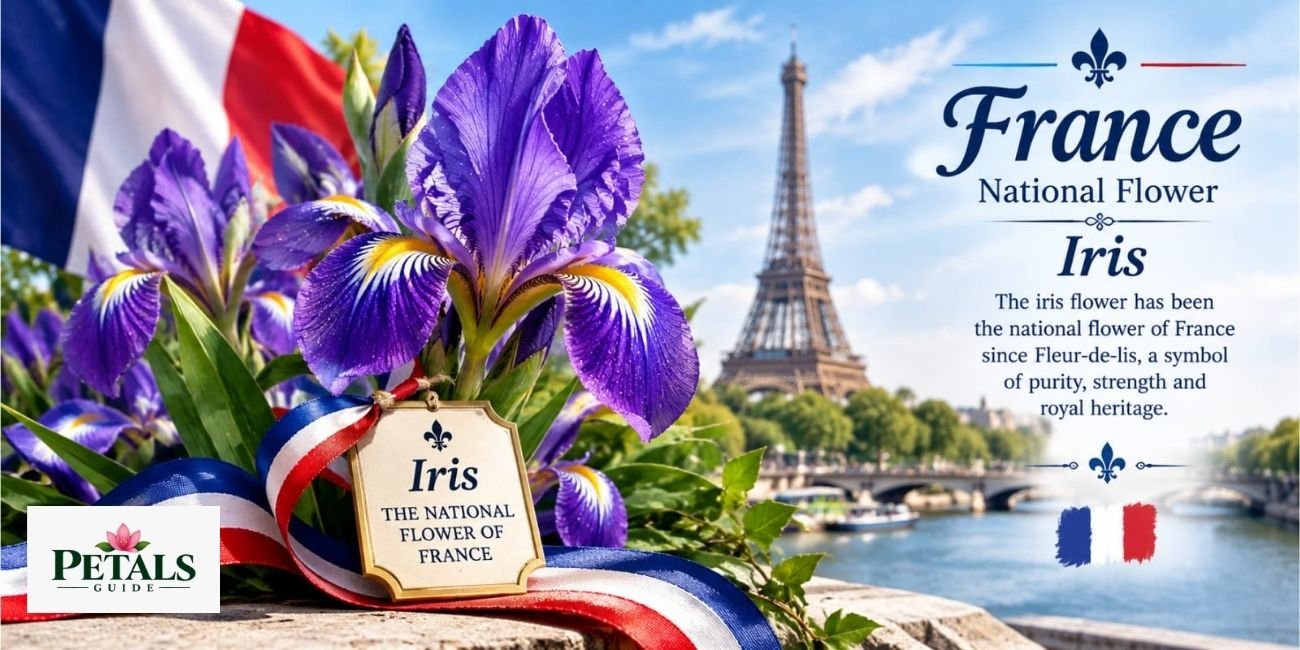
The National Flower of France –The Iris, has a beauty that goes beyond its vibrant petals. This iconic flower is steeped in history, culture, and symbolism, making it a significant emblem of French identity. In this article, we’ll explore what makes the Iris so special and why it continues to captivate hearts around the world.
Botanical Classification
| Taxonomic Rank | Classification |
| Kingdom | Plantae |
| Scientific Name | Iris germanica |
| Division | Angiosperms |
| Class | Monocots |
| Order | Asparagales |
| Family | Iridaceae |
| Genus | Iris |
| Common Name | Iris |
Understanding the National Flower of France
The national flower of France, the Iris, is not just a symbol of beauty; it embodies the spirit of the nation. With its rich hues of blue, purple, and yellow, the Iris captivates viewers, evoking images of lush French gardens and vibrant springtime. Historically, this flower has been linked to royalty, often seen adorning the coats of arms and flags, representing strength and courage.

Interestingly, the Iris reflects France’s artistic soul, inspiring countless painters and poets throughout the ages. It blooms joyously across the countryside, reminding everyone of the country’s deep connection to nature and art. Beyond its aesthetic appeal, France national flower signifies hope and renewal, offering a fresh perspective on resilience in the face of change. The national flower of France stands tall, much like France itself, a vibrant symbol of heritage and identity.
What Is the National Flower of France?
The national flower of France is the iris, a symbol of hope, faith, and wisdom. Vibrant in hues of purple, blue, and yellow, irises bloom in gardens and fields, painting the landscape with their elegance. This flower has deep historical ties, often associated with French royalty and the emblem of the French monarchy, making it a powerful representation of national pride.
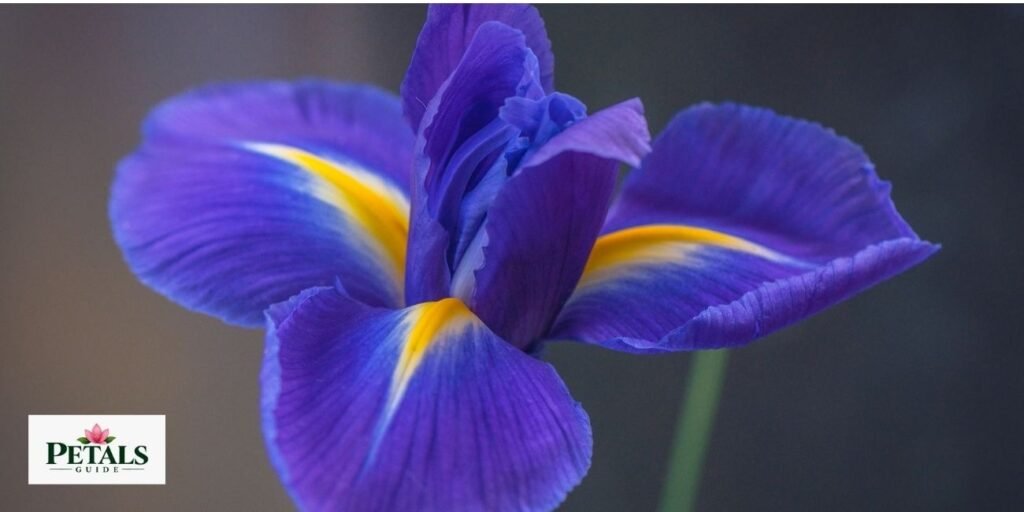
The iris holds a special place in French culture, appearing in art and literature, embodying beauty and resilience. Whether in a garden or a grand royal tapestry, the vivid colors of the iris bring joy and inspiration. As the france national flower, it reminds us of the country’s rich heritage and enduring spirit.
Why the Iris Became Iconic in France
The iris, particularly the fleur de lis, has become an enduring symbol of France, intertwining beauty with national pride. In the medieval period, this flower blossomed into prominence, often associated with French royalty and nobility. The iconic three-petal design of the fleur de lis not only adorned flags and coats of arms but also symbolized purity and light. It represented a divine connection, embodying the essence of the French spirit.
As the country transformed through wars and revolutions, the iris emerged as the national flower of France, reflecting resilience and hope. Artists and craftsmen found inspiration in its elegant form, incorporating it into architecture, textiles, and art. By the 14th century, the fleur de lis had solidified its status, serving as a powerful emblem of identity for the French people. Even today, the iris remains a vibrant symbol of heritage, reminding us of a rich past woven with tradition and honor.
How the National Flower of France Looks
The national flower of France, known as the iris, is a striking sight. Its vibrant colors range from deep purples to soft yellows, creating a stunning palette that symbolizes elegance and beauty. The iris, paris national flower, stands tall, often with multiple blooms rising on sturdy stems, each petal shaped like a graceful fan.
- Colors: Predominantly shades of purple, but also yellow and white varieties.
- Shape: Each bloom has three large petals and three smaller ones, forming a unique structure.
- Symbolism: Often associated with courage, hope, and faith.
In gardens and wild landscapes alike, the iris captivates with its intricate details. Its elegance represents the grace of French culture, making it not just a flower, but an emblem of national pride.

Symbolism and Meaning of the French Iris
The French iris, known as the national flower of France, is steeped in rich symbolism that transcends mere beauty. Its elegant petals unfurl like delicate whispers of a nation’s history, representing faith, hope, and wisdom. This flower’s stunning hues, ranging from deep purples to vibrant yellows, evoke the diverse spirit of the French people and their cultural heritage.
In art and literature, the French iris often appears as a symbol of connection to the divine, embodying the idea that beauty and spirituality are intertwined. This connection is mirrored in the French landscape, where the flower thrives in gardens and wild fields alike, reminding us of the harmony between nature and humanity. The French iris isn’t just a flower; it’s a testament to resilience and the enduring spirit of a nation, inviting us to reflect on our own journeys and the beauty we encounter along the way.
The Iris in French Art, Architecture, and Culture
In French art, the iris serves as a powerful symbol of beauty and resilience. Often depicted in paintings, it transcends mere aesthetics, representing the rich history and diversity of France itself. Artists like Van Gogh have used the iris to convey emotion, capturing its delicate petals in a vivid dance of color. This flower, the national flower of France, resonates with the spirit of the nation, embodying both grace and strength.
In architecture and culture, the iris appears in various forms, from intricate mosaics in cathedrals to elegant motifs in textiles. Its presence in design signifies a deep connection to nature, reflecting the French love for gardens and the outdoors. The iris, national french flower, is not just a flower, it’s a reminder of the artistic legacy and cultural heritage that France cherishes. Emphasizing its role in French life, the iris invites us to appreciate the simple beauty that surrounds us and the stories that each bloom holds.
Common Misconception: The Lily vs The Iris
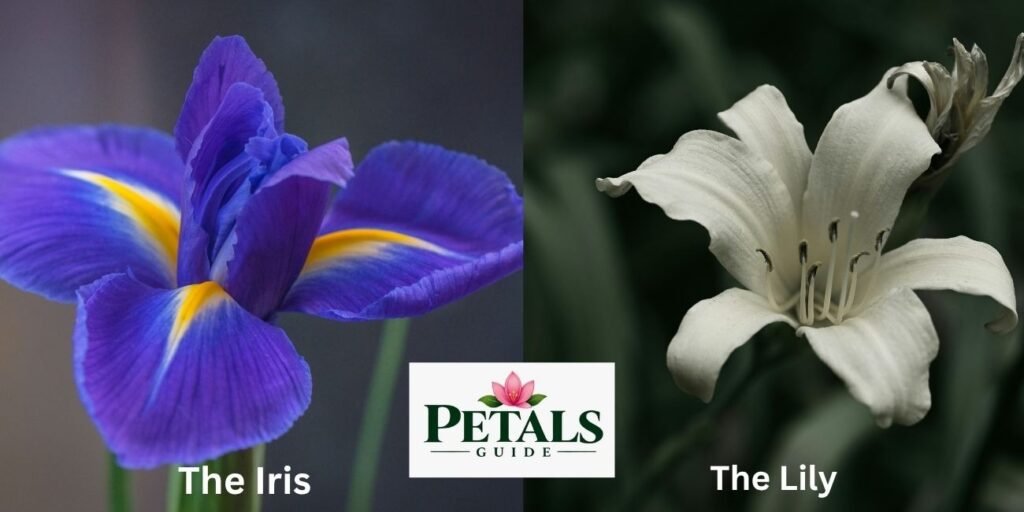
Many people mistakenly believe that lilies and irises are the same due to their similar shapes and vibrant colors. However, these beautiful blooms represent different qualities and histories. The iris, notably France’s national flower, symbolizes hope and faith, often associated with royalty and elegance. Its unique, intricate petals set it apart, creating a striking silhouette that captures the eye. The iris holds a special place as the national flower of Paris.
In contrast, lilies are known for their large, fragrant blossoms that exude a sense of purity and renewal. Associated with various cultures, they often signify devotion and are commonly used in celebrations. While both flowers add beauty to gardens, understanding the distinction between iris vs lily brings a deeper appreciation for their individual stories and meanings. Embracing this knowledge allows garden enthusiasts and flower lovers alike to celebrate each flower’s unique charm.
Interesting Facts About the Iris of France
The Iris, often recognized as the national flower of France, carries a rich tapestry of symbolism and beauty. This stunning flower, particularly the blue variety, has been associated with the French monarchy for centuries. The Fleur-de-lis, a stylized version of the iris, was used in royal emblems, representing purity and light. Today, it remains a powerful symbol of French culture and heritage.
Here are some interesting facts about the iris:
- Diversity: Irises come in over 300 species, showcasing a vibrant palette of colors beyond the classic blue.
- Medicinal Use: Historically, the root of the iris was used in traditional medicine for its healing properties.
- Cultural Significance: The iris often appears in art and literature, symbolizing faith, wisdom, and hope.
- Gardening Icon: The iris is a favorite among gardeners, thriving in a variety of climates and adding a stunning touch to landscapes.
Celebrating the iris goes beyond admiration; it’s a walk through history, art, and nature’s resilience in the heart of France.
The Iris in Modern Life: Tattoos, Fashion, and Personal Meaning
The iris, often seen as the national flower of France, has morphed into a powerful symbol in modern life, especially in tattoos and fashion. It represents wisdom, hope, and admiration, making it a popular choice for those looking to express deep personal meanings through body art.
- Tattoos: Many choose iris tattoos as reminders of resilience. The intricate petals can symbolize individuality and beauty, offering a canvas for personal stories.
- Fashion: Designers often incorporate the iris in clothing and accessories, blending elegance with modern aesthetics. From prints to embroidery, this flower can transform any outfit into a statement piece.
In essence, the iris transcends its floral roots, offering a unique blend of beauty and significance that resonates with many today. Whether in a national flower of France drawing or a body tattoo, it invites deeper reflection on personal identity.
Why the Iris Still Matters Today
The iris, often celebrated as the national flower of France, carries layers of meaning that resonate beyond mere aesthetics. Its unique shape and vibrant colors have inspired countless artists, making the national flower of France drawing a popular subject in both traditional and modern art. This flower symbolizes faith and hope, serving as a reminder that beauty often comes from resilience.
Today, the iris still matters because it reflects cultural identity and history. Many gardens in France feature these flowers, connecting communities through shared heritage and pride. Additionally, with climate change affecting biodiversity, the iris stands as a testament to the importance of preserving native plants. As we navigate our complex world, the iris teaches us to appreciate natural beauty while honoring our roots.
Quick Comparison: Iris vs Lily
Quick Comparison: Iris vs. Lily
| Feature | Iris | Lily |
| Scientific Genus | Iris | Lilium |
| Family | Iridaceae | Liliaceae |
| Underground Structure | Rhizomes (most species) or bulbs | True bulbs |
| Leaf Shape | Long, sword-shaped, fan-like | Long, narrow, spirally arranged along the stem |
| Flower Structure | Six petal-like segments (3 falls and 3 standards) | Six similar tepals arranged symmetrically |
| Flower Symmetry | Bilateral (zygomorphic) | Radial (actinomorphic) |
| Flower Colors | Blue, purple, yellow, white, pink, orange | White, pink, orange, yellow, red, purple |
| Pollination | Mainly bees and butterflies | Bees, butterflies, moths, and hummingbirds (in some regions) |
| Fruit Type | Dry capsule | Dry capsule |
| Preferred Habitat | Wetlands, meadows, gardens, and riverbanks | Forests, grasslands, mountain slopes, and gardens |
| Traditional Symbolism | Wisdom, courage, purity, royalty, and hope | Purity, love, devotion, and renewal |
| Connection to France | Widely associated with the French fleur-de-lis symbol | Sometimes mistakenly believed to be the flower represented by the fleur-de-lis |
| National Flower Association | Traditionally linked with France | No official national association with France |
Final Words
The iris stands out as the national flower of France for many reasons, from its striking beauty to its rich history. This flower symbolizes elegance and strength, reflecting the spirit of the French people. Its presence in art and culture highlights its significance in French identity. Whether seen in gardens or celebrated in festivals, the iris continues to inspire awe. So next time you admire an iris, take a moment to appreciate all it represents about France.
“Explore our guides to the national flowers of Italy (White Lily), Cuba (Mariposa), Fran,Afghanistan (Tulip), Paraguay (Blue Passion Flower), and the United Kingdom (Rose), and discover their unique meanings, history, and cultural significance.”
FAQs
1. Why is the iris the national flower of France?
The iris represents beauty and hope. It has deep roots in French culture and history, often seen in royal symbols.
2. What does the iris symbolize?
The iris symbolizes faith, wisdom, and courage. Its vibrant colors also express different meanings, like passion and friendship.
3. What does a fleur-de-lis stand for?
The fleur-de-lis is a symbol often associated with French royalty and represents purity, light, and life. It’s also used in various cultures to signify nobility and the importance of nature.
5. Is fleur-de-lis just a French symbol?
The fleur-de-lis is often linked to France, but it’s not just a French symbol. It has roots in various cultures and has been used in different contexts, like in heraldry and as a symbol of purity.
6. What is Paris’s flower?
Paris’s flower is often considered to be the iris. This colorful bloom represents the city’s beauty and elegance. Another popular flower associated with Paris is the rose, symbolizing love and romance.