
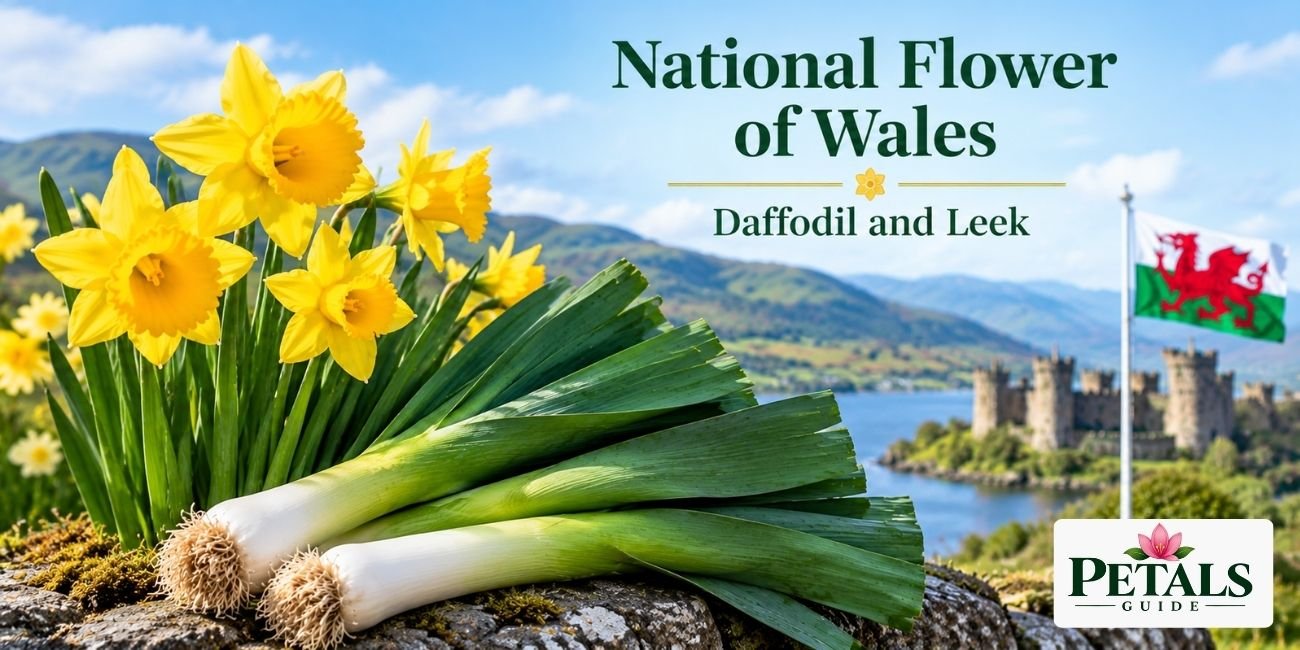
The vibrant daffodil often steals the show as the national flower of Wales, but the humble leek has its own proud legacy. Both symbols represent Welsh identity and culture in different yet powerful ways. Understanding their significance can deepen our appreciation for Wales and its rich traditions. In this article, we’ll explore the daffodil and leek, unraveling the unique stories behind Wales’ national flower.
Wales Has Two National Symbols ?
- The daffodil and leek stand proudly as the national emblems of Wales, each carrying deep cultural meaning. While the daffodil blossoms brightly in the spring, symbolizing renewal and hope, the leek has roots in Welsh heritage, often linked to strength and resilience.
- Many locals wear the daffodil on St. David’s Day, celebrating their identity with vibrant yellow blooms. The leek, on the other hand, has been worn by Welsh soldiers for centuries, representing bravery and unity in times of conflict.
- Together, these symbols reflect the spirit of Wales, a blend of beauty and grit. They remind people of their shared history and the pride that comes from embracing both the delicate and robust aspects of Welsh culture.
What Is the National Flower of Wales?
The national flower of Wales is the cheerful Welsh daffodil, a bright symbol of the country’s spirit and resilience. Blooming each spring, these vibrant yellow flowers bring a splash of color to the lush landscapes. Traditionally worn on St. David’s Day, the Welsh daffodil stands as a proud emblem of Welsh identity and heritage, connecting the past with the present.
Beyond its beauty, the daffodil captures the essence of hope and renewal. As it opens up to the sun, it reminds us of the strength found in nature, echoing the warm and welcoming nature of the Welsh people. Each daffodil tells a story, making it more than just a flower, it becomes a part of who the Welsh are.
The Leek: Wales’ Old National Emblem
A Symbol Born on the Battlefield
- The leek, known as the national flower of Wales, has roots steeped in history, often linked to the battlefields where brave warriors once fought.
- Unlike the more commonly celebrated welsh daffodil, the leek stands as a symbol of unity, resilience, and pride for the Welsh people.
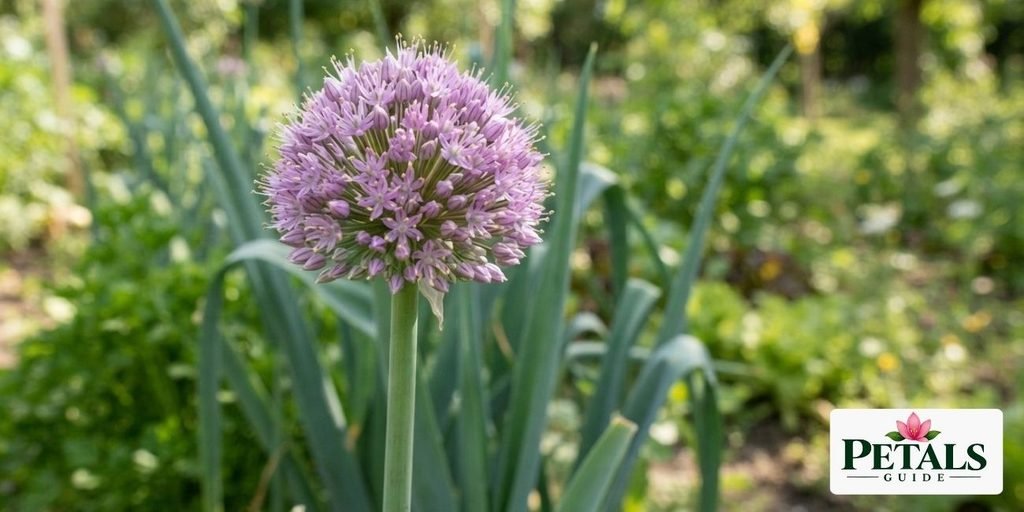
- Its bright green hue, rich in vibrant folklore, connects generations, reminding them of their cultural heritage and strength.
- Embraced on St. David’s Day, the leek remains a simple, yet profound, emblem of Welsh identity, celebrating a rich narrative that transcends time.
Why the Leek Still Matters
- The leek, as the national flower of Wales, holds deep cultural significance. It’s a symbol of pride, reminding people of their rich heritage and history.
- Unlike the more popular Welsh daffodil, the leek carries stories of ancient warriors and unity. Many believe it represents resilience, a trait fondly associated with the Welsh spirit.
- People often wear leeks on St. David’s Day, showcasing their identity in a unique way. This vibrant vegetable not only flavors dishes but also flavors Welsh life, connecting past and present.
- Embracing the leek means celebrating Wales and its enduring traditions, keeping its spirit alive in everyday moments.
The Daffodil: Modern Wales’ National Flower
- The daffodil, a vibrant symbol of Wales, bursts forth each spring, painting landscapes with its cheerful yellow hue.
- As the national flower of Wales and the national flower of the UK, it represents hope and renewal, reminding us of nature’s ability to revive.
- Known locally as the Welsh daffodil, its simple beauty transcends mere decoration, capturing the spirit of the Welsh people across generations.
- Worn proudly in celebrations and festivals, the daffodil is more than just a flower, it’s a shared emblem of identity, uniting communities in their love for their homeland.
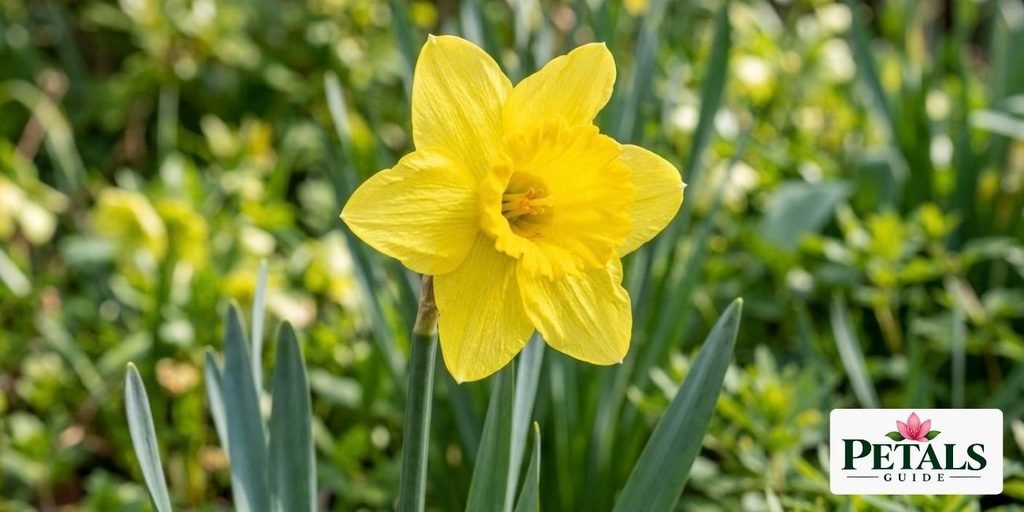
Why is the Daffodil a Welsh Symbol?
Daffodils, the vibrant national flower of Wales, find their roots in the 6th century, woven deep into the fabric of Welsh folklore. Stories tell of a time when a fierce battle raged, and a gallant warrior, after defeating his foes, saw the golden blooms blooming in the aftermath. These welsh flowers quickly became symbols of hope and renewal, capturing the spirit of the Welsh people.
Over time, the daffodil emerged as one of the cherished Welsh national symbols, celebrated each spring as a beacon of resilience. It’s a reminder of the beauty that can flourish even in challenging times. Today, you’ll find them adorned during Saint David’s Day, uniting communities and honoring a rich history that connects the heart of Wales to its beloved flower.
Are Daffodils Native to Wales?
There are 36 species of daffodil, with over 26,000 cultivated varieties. Some are native to the UK, with two being particularly unique to Wales.
The Wild Daffodil or Lent Lily
The wild daffodil, also known as the Lent lily, blooms like a golden smile in the Welsh countryside. As the national flower of Wales, these cheerful blooms herald the arrival of spring, brightening fields and hillsides alike. In local folklore, they symbolize new beginnings and hope, filling hearts with warmth. The sight of daffodils in Wales brings a sense of pride and connection to the land, offering a reminder of nature’s simple beauty and resilience.
The Tenby Daffodil
The Tenby Daffodil is a true symbol of Wales, celebrated for its vibrant yellow petals that herald the arrival of spring. This wales flower, distinct from other daffodils, thrives in the coastal regions of Pembrokeshire, where it paints the landscape with bright splashes of color. Each year, these delicate blooms remind locals and visitors alike of the resilience and beauty of Welsh nature.
As the national flower of Wales, the Tenby Daffodil holds a special place in the hearts of its people, featured prominently in festivals and events. With its cheerful appearance, it embodies the spirit of the Welsh countryside, drawing attention to conservation efforts and the importance of preserving natural heritage. Whether blooming in gardens or wild fields, the Welsh daffodil is a beacon of hope and a reminder of the joy found in simple beauty.
Why People Prefer the Daffodil Today
Daffodils, the national flower of Wales, have captured hearts far beyond their borders. Their bright yellow blooms signify renewal and hope, making them a favorite in gardens and events.
- Many choose daffodils for their vibrant color that cheers up any space.
- They’re often associated with Welsh pride, symbolizing resilience and community spirit.
- Easy to grow, these flowers thrive in various conditions, making them a gardener’s delight.
Each spring, as daffodils bloom, they remind us of nature’s beauty and the joy in simple things. People love them for their charm, creating a special connection to Wales whenever they see a cluster swaying in the breeze.
Daffodil vs. Leek: Cultural Roles Compared
- Daffodils, the national flower of Wales, bloom brightly each spring, symbolizing hope and renewal. Their vibrant yellow petals reflect the spirit of Welsh culture, often seen in festivals and celebrations, making them a beloved emblem of national pride.
- In contrast, leeks hold a special place in Welsh cuisine and history. Traditionally worn by soldiers, they represent strength and unity. Celebrated in dishes like cawl and a staple at St. David’s Day feasts, leeks connect the past with modern Welsh identity.
- Together, daffodils and leeks paint a rich tapestry of Welsh culture. While daffodils represent beauty and optimism, leeks embody resilience and nourishment, showcasing the diverse ways nature influences life in Wales.
How March 1st Celebrants Actually Choose
March 1st celebrates the vibrant spirit of Wales, embracing traditions rooted in nature and culture.
- The daffodil, the national flower of Wales, blooms brightly just in time for this special day, symbolizing renewal and hope.
- People often wear these cheerful flowers as a badge of pride, showcasing their love for Welsh heritage.
- Many communities host parades and events, filling the air with music, laughter, and the sweet scent of spring.
- Sharing stories of ancestral roots, friends gather to enjoy traditional foods, celebrating both history and connection.
Why did Wales never replace the leek when the daffodil became popular?
- The Welsh leek holds a special place in the hearts of many, symbolizing strength and resilience through centuries.
- While the daffodil gained popularity for its bright cheerfulness, leeks remain a quiet but proud emblem of Wales‘ rich farming heritage.
- Celebrating both, the leek and the daffodil showcases a unique duality in Welsh culture, one representing the earth, the other the sky.
- By cherishing the leek alongside the daffodil, Wales honors its past while embracing its evolving identity.
Where We Will See These Flowers in Wales
- Strolling through the lush valleys of Wales, you’ll spot fields vibrant with the iconic Welsh leek, a symbol of pride and culture.
- In quaint villages like Abergavenny, the annual leek festival transports you to a world of creativity, celebrating the vegetable dear to the hearts of locals.
- The majestic Brecon Beacons provide a stunning backdrop, where these green beauties thrive alongside Wales’ national animal, the red dragon, reminding us of the rich heritage intertwined with nature.
- Coastal paths in Pembrokeshire also showcase this beloved plant, where the salty breeze mingles with their earthiness, making each visit a refreshing experience.
Final Thoughts
Both the daffodil and the leek hold special meaning for the people of Wales. The daffodil, with its bright yellow blooms, symbolizes hope and renewal each spring. Meanwhile, the leek represents pride in Welsh heritage and tradition, often seen in celebrations. Each symbol tells a unique story about the culture and spirit of Wales. Embrace these icons and cherish what they represent for this beautiful nation.
FAQs
What are the two national symbols of Wales?
The two national symbols of Wales are the red dragon and the leek. The dragon appears on Wales’ flag, while the leek is a traditional emblem used in celebrations.
What is Wales’ national animal?
Wales’ national animal is the badger. It represents the wild beauty of the Welsh countryside and holds a special place in the hearts of many people in Wales.
Why is the leek a Welsh symbol?
The leek is a symbol of Wales because it has been associated with the country for centuries. Legend says that warriors wore it in battle to distinguish themselves, making it a proud symbol of Welsh identity.
What are the four national flowers of the UK?
The four national flowers of the UK are the rose for England, the thistle for Scotland, the shamrock for Northern Ireland, and the daffodil for Wales. Each flower represents its respective nation and its unique heritage.
What is the national flower of Wales?
The national flower of Wales is the daffodil. It blooms in spring and is often worn during St. David’s Day celebrations, symbolizing hope and new beginnings.