
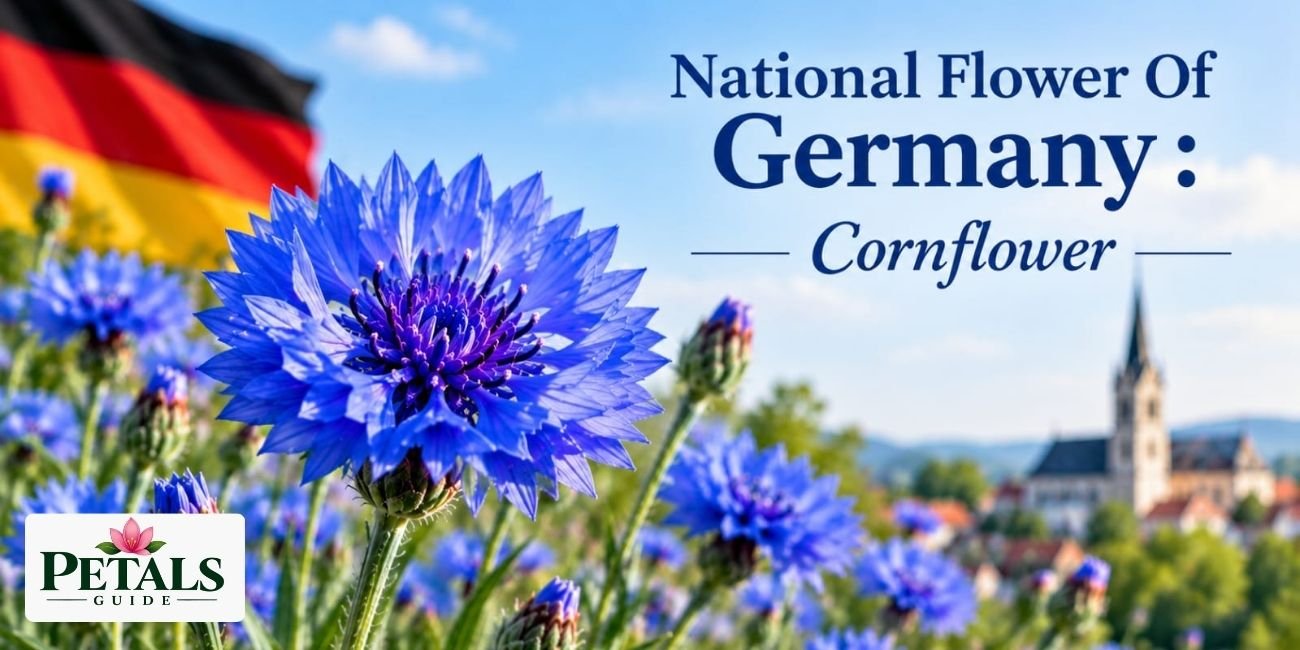
The Cornflower, with its eye-catching blue petals, is celebrated as the national flower of Germany. This wild flower isn’t just a pretty sight; it signifies important aspects of German culture and identity. In this article, you’ll uncover interesting facts about the Germany’s national flower and five myths that may surprise you about the Cornflower. Learning about its role in history can help you appreciate its significance and beauty in a new way.
What is the National flower of Germany?
The National flower of Germany is the cornflower, also known as “Kornblume” in German. While it’s not officially designated as the national flower, many people consider it a symbol of Germany due to its historical and cultural significance. The bright blue petals of the cornflower stand out in fields, making them easy to recognize and appreciate.While the cornflower is sometimes associated with the national plant of Germany in general discussions of German symbols, its significance comes primarily from its cultural and historical associations rather than official national status.
One reason why the cornflower is so important is its connection to German history. During World War I, it became a symbol of hope and remembrance for soldiers and their families. Additionally, in the early 1900s, the flower was often used in art and literature, capturing the essence of the German landscape. Today, you can find the cornflower on various emblems, including the emblem of the German army, showing how deeply it’s embedded in national pride.
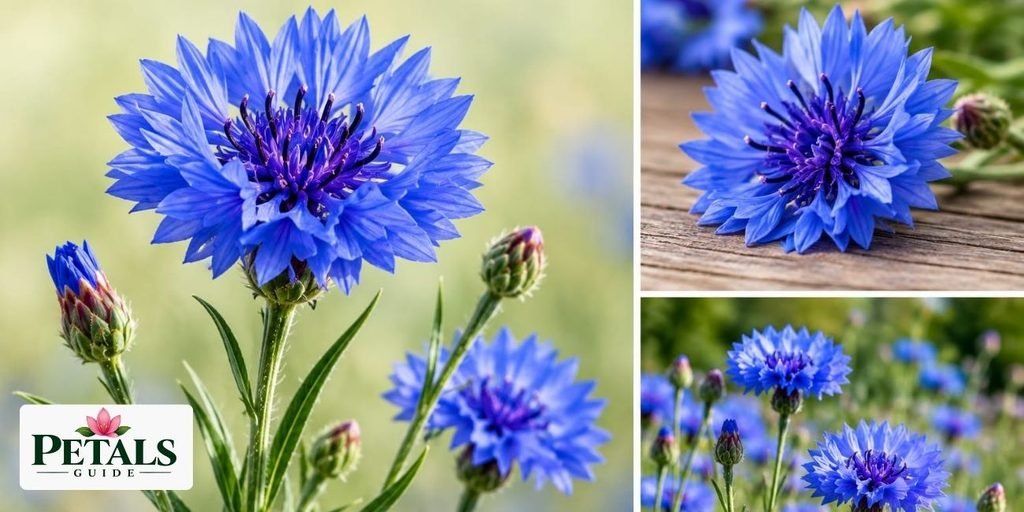
Despite not being an official title, the cornflower is proudly embraced by many Germans. It represents a bond with the past and an appreciation for the beauty of nature. So, whenever you see this blue flower, remember it’s more than just a plant; it’s a piece of Germany’s heart and heritage.
Why the Cornflower Became Associated With Germany?
The cornflower became a special symbol for Germany, especially in the late 1800s and early 1900s. This wasn’t an overnight change; it took time for people to connect the flower with their identity. In rural life, the cornflower was found growing naturally in fields, making it a familiar and cherished sight for many. Its blue petals stood out, much like the pride people felt for their nation.
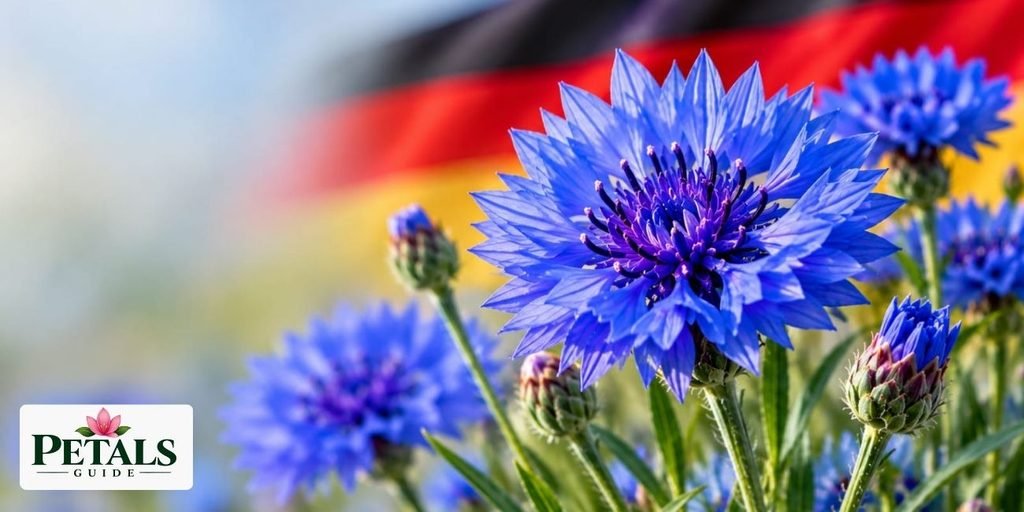
Queen Louise of Prussia was one of the key figures that helped make the cornflower popular. She loved the flower and pushed for its recognition as a symbol of royalty and unity. Later, Kaiser Wilhelm I also embraced it, making it a part of Germany’s national identity. By the time the 1900s rolled around, the cornflower was everywhere, representing not just the monarchy but the unity of the German people as a whole.
5 Cornflower Myths & Facts Explained Clearly
Myth 1: Queen Louise Hid Her Children in a Cornflower Field
The myth: People say that Queen Louise of Prussia hid her children in a cornflower field during the Napoleonic Wars in 1806. This tale paints a picture of a brave queen protecting her family from danger, making it seem like she was a hero of her time.
The fact: While Queen Louise was indeed a strong figure for her country, this story is not true. Historians believe the tale was created as propaganda to make her and the Prussian monarchy look good during tough times. The image of hiding in a cornflower field might sound lovely, but it boosts the queen’s legend rather than being based on real events. Instead of a hiding mother, Queen Louise was active in supporting her people and rallying them against Napoleon’s army, showing her true strength in a different way.
Myth 2: The Cornflower is Officially Declared Germany’s National Flower
The myth: Many people casually state that the cornflower is officially declared national flower of Germany.
The fact: This is not true! The cornflower is loved for its beauty and often appears in German literature and art, making it a symbol of the country. It represents a connection to nature and is celebrated in various festivals. But since no official law says it’s the national flower in Germany, this belief mainly comes from its popularity in traditions rather than legal recognition. So, while the cornflower holds a special place in the hearts of many Germans, it’s more of a cultural symbol than an official title.
Myth 3: The Cornflower Was Chosen Randomly by the German Empire
The myth: Many people think that the cornflower was chosen randomly by the German Empire to represent the nation. This idea makes it seem like the flower just popped up without any thought or reason behind it.
The fact: In reality, the cornflower was chosen for its deep connection to German identity. Emperor Wilhelm I favoured this as a symbol of unity and pride for the newly unified Germany in 1871. The cornflower, often called the “Kaiserblume,” started appearing on recruitment posters to inspire soldiers and create a sense of belonging. It was a powerful image that showed not just a flower, but a shared purpose and hope for the future.
This flower became an important part of public imagery, helping to rally people around a common cause. So, instead of being a random choice, the cornflower was a careful selection that helped shape the feelings of a nation.
Myth 4: Healing Powers of Cornflower Are Purely German Folklore
The myth: Some people think that the healing powers of the ‘ Germany national flower’ are just stories made up by German folklore.
The fact: While it’s true that many old tales talk about plants having magical or healing qualities, cornflower has been used in real medicine for ages. People have made teas and infusions from its petals. These drinks can help with sore eyes and even settle upset stomachs. Ancient sources, including references to the centaur Chiron, suggest that this flower was valued in ancient herbal practices for its therapeutic potential.
This shows that there’s some truth behind those old stories. Maybe it’s more than just folklore; it’s part of Germany’s history with nature and health. Understanding the real uses of cornflowers gives them a deeper meaning beyond their beautiful blue color.
Myth 5: The Cornflower Has Always Been Politically Neutral
The myth: Many people believe that the cornflower has always been a neutral symbol in Germany’s history, representing peace and unity without any political ties.
The fact: In reality, the cornflower’s journey through history has been complex. In the late 1800s, specifically around 1880, it became a popular identifier for the Pan-German movement, a time when people wanted to unify all German-speaking areas.This was not just a pretty flower; it became tied up in politics and national identity. Fast forward to the 1930s, and the Nazi Party used the cornflower to push their agenda, changing its meaning into a symbol of their ideology.
So, rather than being a simple flower, the cornflower has often been swept into the political currents of its time.
Botanical Facts About the Cornflower You Might Not Know
Scientific Name: The cornflower’s scientific name is Centaurea cyanus. This name comes from the Greek word “centaur,” since legends say that centaurs used the plant for its medicinal properties.
Color: Cornflower is best known for its bright blue petals, but it can also bloom in shades of pink, white, and purple. This variety makes the national flower of Germany a fun addition to gardens or wildflower arrangements.
Native Region: These flowers originally come from Europe and were often found growing in cornfields, which is where they got their name. Today, you can find them in many parts of the world, especially in North America.
Blooming Season: Cornflowers typically bloom from late spring to early summer, making it a beautiful sight when they burst into color during warmer months. They are also known for lasting longer than many other flowers.
Ecological Role: Cornflowers play an important role in their ecosystem. They attract bees and butterflies, helping pollinate plants. This makes them valuable for gardens, as they support local wildlife and contribute to the health of the environment.
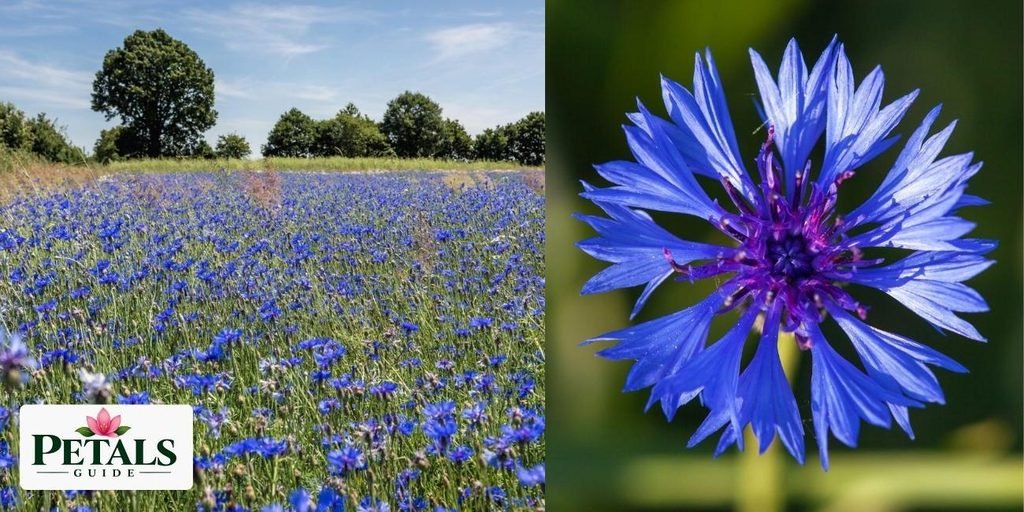
These little flowers do more than just look pretty; they connect us with history and nature.
Symbol Without Legal Control
Although cornflower is known as the national flower of Germany, but it’s interesting to note that it was never legally declared as an official symbol. This means it doesn’t have strict rules like other national symbols do, allowing it to represent many different ideas in its journey. Unlike the national flower of Denmark, which is associated with Danish national identity, the cornflower’s recognition in Germany comes largely from its historical and cultural connections. It has connected with nationalism during tough times, yet also serves as a reminder for conservation and nature.
The cornflower’s design isn’t just pretty; it has also found its way into German literature and art, showing its cultural importance. Unlike rigid symbols that only showcase one side, the cornflower shows Germany’s spirit in different ways, from monarchies to everyday life. Whether it’s celebrated in poems or seen in fields, the cornflower remains always relevant, bridging past and present.
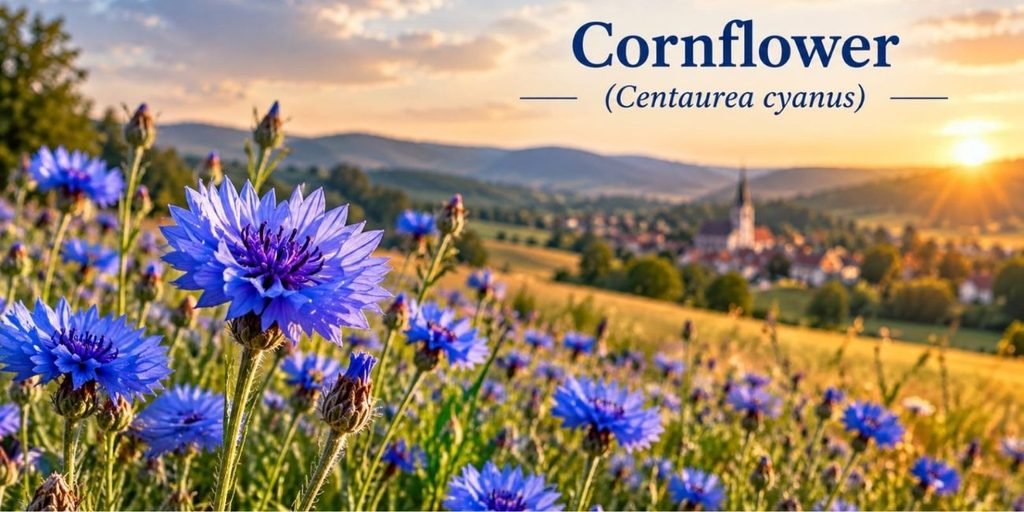
Cornflower in Modern German Life
- In modern German life, the cornflower is often featured in art exhibitions that celebrate nature and regional culture. These events help people appreciate the beauty of local flora.
- Many regional festivals in Germany highlight the cornflower as a symbol of rural heritage. Visitors can enjoy themed decorations, local crafts, and even taste traditional foods inspired by this flower.
- Schools use the image of the cornflower in education posters to teach kids about biodiversity and the importance of protecting local plants. This helps students connect with nature and understand their environment better.
- The cornflower also appears in various souvenirs and merchandise, promoting local artists and reminding people of Germany’s cultural roots. This simple flower connects tradition with modern living in everyday life.
Cornflower vs Other German Flowers
The cornflower,the Germany national flower, sometimes gets mixed up with other similar-looking blooms. Let’s take a look at some flowers that share the spotlight with the cornflower.
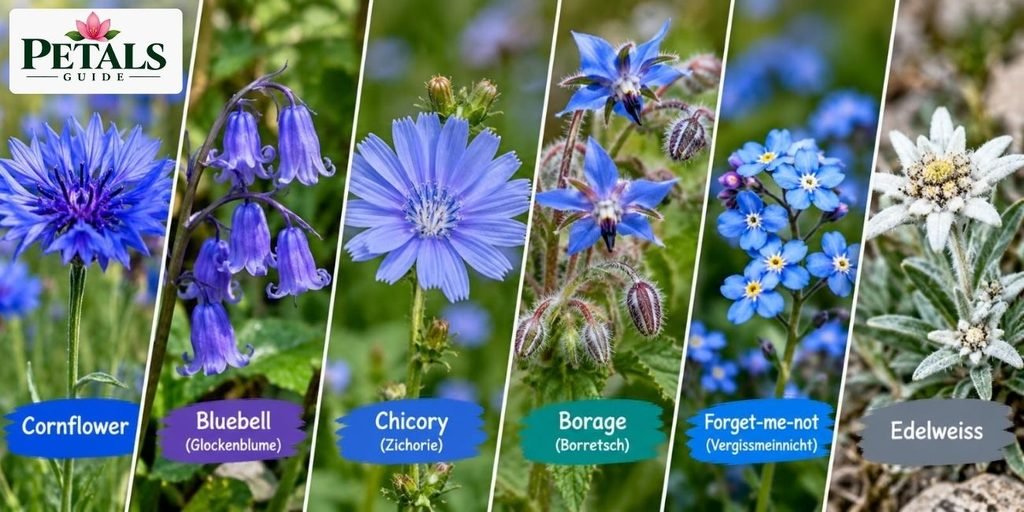
Bluebell (Glockenblume): A lovely bell-shaped flower that can be seen in meadows. Often found in shades of blue and purple, it has a more delicate shape compared to the cornflower.
Chicory (Zichorie): This flower also blooms in a bright blue hue, but its petals are more jagged and it typically grows taller and slimmer than the cornflower.
Borage (Borretsch): Known for its star-like shape, this flower has the same blue color but is often overlooked due to its distinctive starry appearance and hairy leaves.
Forget-Me-Not (Vergissmeinnicht): These small flowers come in a lovely blue tone and have yellow centers. Their size and shape make them easy to mistake for cornflowers.
Edelweiss: Known for its star-shaped white petals, it grows in the rugged mountains. People often associate it with bravery and adventure.
What The National Flower of Germany Reflects?
The Germany’s National Flower holds a deep connection to the land and labour of the country. Its vibrant blue color stands out in fields, symbolizing the beauty of nature and the hard work of farmers who have cultivated this plant for generations. Cornflowers are often found growing wild alongside crops, reminding people of the balance between cultivation and the natural world.

These flowers also represent cultural continuity. For ages, they have been woven into German traditions, appearing in folklore, art, and even poetry. By embracing the cornflower, Germans celebrate their heritage and the biodiversity that surrounds them. . In comparison, the national flower of the USA, the rose, is an officially recognized symbol. The cornflower’s association with Germany is based more on tradition and history than on formal recognition. Overall, the cornflower connects past and present, highlighting the importance of respecting both nature and the hard work that goes into caring for it.
Conclusion
The national flower of Germany, the cornflower is not just a pretty plant; it means a lot to Germans. It represents the country’s history and culture, reminding people of their roots. Many people enjoy seeing cornflowers in fields and gardens because of their bright blue color. By protecting the Germany national flower, we help keep a piece of Germany’s identity alive. Let’s appreciate the cornflower and its special place in Germany’s heart.
FAQs
What is Germany National flower?
The National Flower of Germany is the cornflower (Centaurea cyanus).
What flower is native to Germany other than the cornflower?
Another native flower is the German chamomile (Matricaria chamomilla), known for its medicinal properties.
What flower symbolizes Germany?
The cornflower (Centaurea cyanus), known as Kornblume in German, is commonly associated with Germany. It became a symbol of Prussia during the 19th century and was linked to Queen Louise of Prussia and Emperor Wilhelm I. However, Germany has no officially designated national flower.
Does Germany have a state flower?
No. Germany does not have an officially designated national flower. The cornflower is a traditional floral symbol, but it is not legally recognized as Germany’s official national flower.
What is cornflower called in America?
In America, the cornflower (Centaurea cyanus) is commonly called bachelor’s button or bluebottle. It is known for its bright blue flowers and is grown in gardens and wildflower meadows.
What is a popular German flower?
The cornflower is one of the best-known flowers associated with German history and culture. Other popular flowers in Germany include roses, tulips, and sunflowers, which are widely grown and enjoyed in gardens and floral arrangements.