
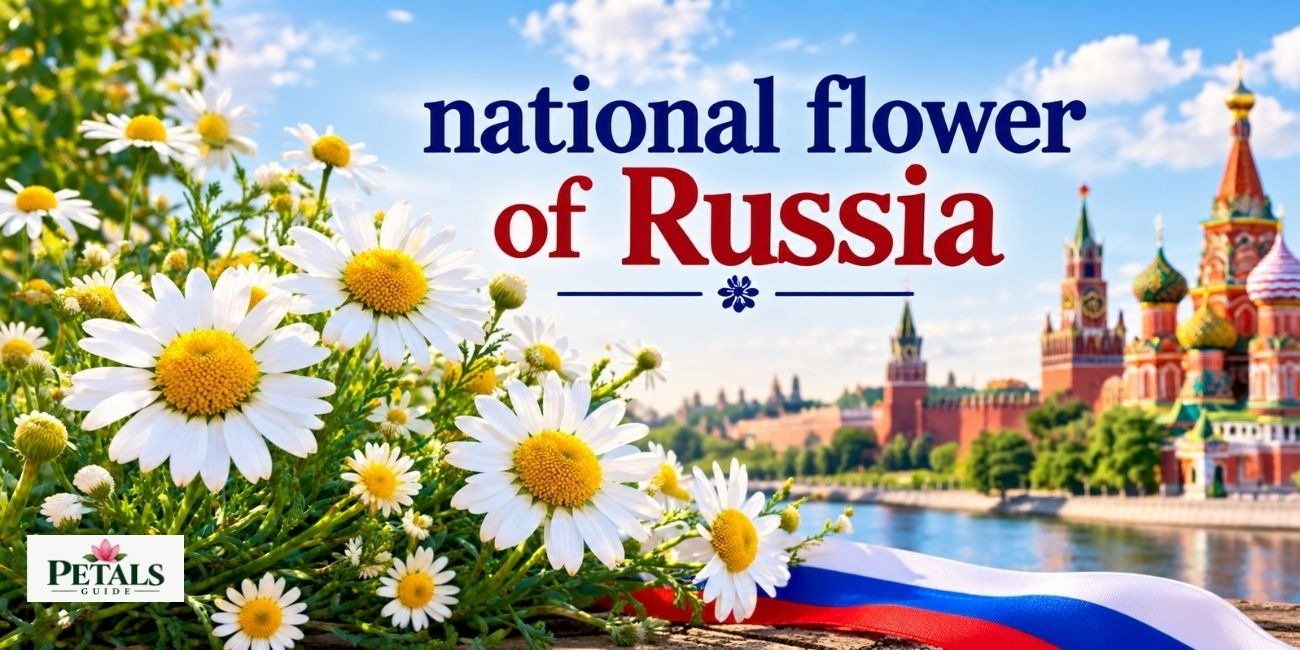
The national flower of Russia, chamomile, holds a special place in the hearts of many. It symbolizes purity and simplicity, qualities deeply valued in Russian heritage. By exploring its history and symbolism, you’ll discover why it holds such a special place in the hearts of many. Join us as we dive into the story of Russia national flower and its remarkable significance.
The Geographic Context for Russia’s National Flower
The national flower of Russia, the chamomile, thrives across vast landscapes, symbolizing resilience and beauty. Found in meadows and fields from the Far East to the Ural Mountains, this small bloom reflects the country’s enduring spirit. Its delicate petals open under the warm sun, showcasing nature’s grace even in the harshest climates.
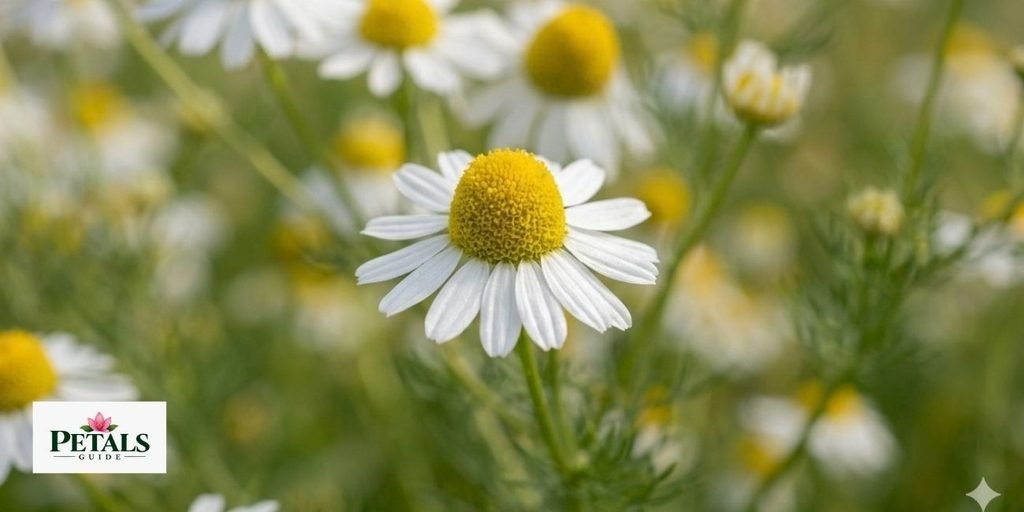
In Russia’s diverse geography, chamomiles flourish alongside rich cultural stories, often associated with healing and comfort. This russia flower, simple yet profound, ties people to their land, reminding them of the beauty hidden in everyday life. The Russian love for this flower mirrors their connection to the land, celebrating both nature and tradition.
What is the National Flower of Russia?
The national flower of Russia is the charming chamomile flower. Often seen in fields and gardens, its delicate white petals and sunny yellow center symbolize purity and simplicity. Russians have a deep connection to this flower, often associating it with childhood memories and the beauty of rural life.
Beyond its aesthetic appeal, the chamomile flower holds cultural significance, frequently appearing in folk art and literature. It embodies resilience, thriving in various climates, much like the Russian spirit itself. The chamomile’s sweet, calming fragrance also reflects the warmth and hospitality of the Russian people, making it an enduring symbol of their identity.
What is the Chamomile Flower?
The chamomile, Russian flower with its delicate white petals and sunny yellow center, holds a special place in many cultures. This charming blossom is not only loved for its soothing tea but also recognized as the national flower of Russia. The name “chamomile” comes from the Greek word “chamaimēlon,” meaning “earth apple,” which reflects its humble beauty and grounding qualities.
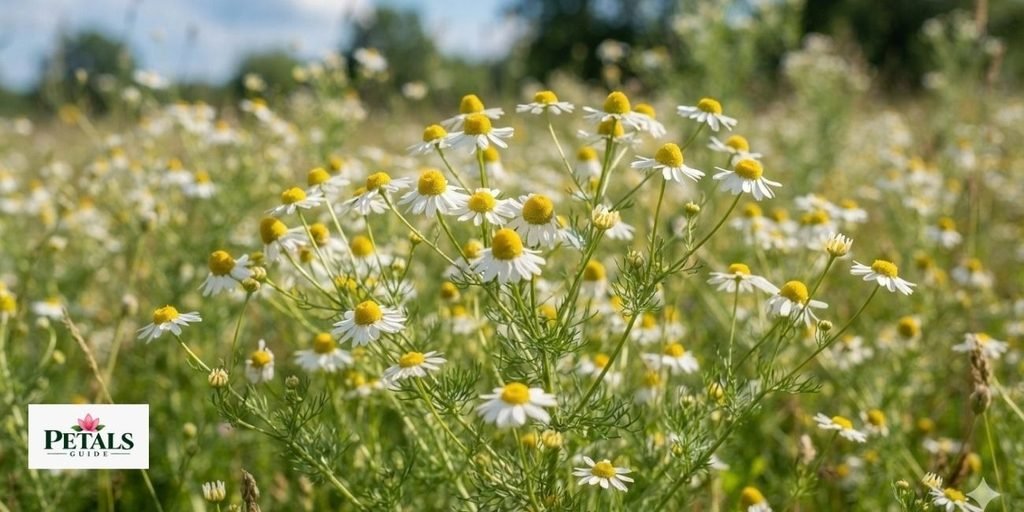
In Russia, chamomile represents purity and simplicity, symbolizing the gentle spirit of the countryside. Often seen growing wild in meadows, it brings a touch of nostalgia and warmth to those who admire it. Beyond its beauty, chamomile’s calming properties make it a favorite for relaxation and healing, connecting people to nature’s nurturing embrace.
Emotional Meaning in Russian Folklore and Daily Life
In Russian folklore, the national flower of Russia, the chamomile, symbolizes purity and innocence. This delicate bloom often appears in tales, representing hope and resilience in the face of adversity. Its simple beauty resonates with the everyday lives of many Russians, reminding them of the strength found in vulnerability.
Daily life in Russia is woven with emotional threads, where traditional songs and stories reflect deep feelings of love, loss, and community. People often gather around bonfires, sharing tales that evoke nostalgia and a sense of belonging. The chamomile serves as a humble reminder that even the smallest joys can hold immense significance in tough times. In this way, folklore and daily experiences merge, enriching the emotional landscape of Russian culture.
National Flower of Russia History
The national flower of Russia, the chamomile, holds a special place in the hearts of its people. Known for its simple beauty and bright white petals, this flower symbolizes purity and gentleness. Historically, chamomile has been used in Russian folk medicine, highlighting its significance not just as a decorative flower but as a part of traditional healing practices.
In art and literature, the chamomile often appears as a symbol of hope and resilience, capturing the spirit of the Russian landscape. As Russia embraces its rich cultural heritage, refreshing this national flower reminds everyone of the connection between nature and daily life. The chamomile blooms across the countryside, standing as a testament to the enduring strength of the Russian spirit.
Why Chamomile Was Chosen Over Other Flowers
The national flower of russia Chamomile stands out for its vibrant history and cultural significance. Unlike other flowers, chamomile symbolizes warmth and comfort, offering a sense of peace that resonates deeply with Russian traditions. Its delicate petals and soothing fragrance evoke feelings of calm, making it a beloved choice in folklore and healing practices.
- Cultural Symbolism: Chamomile represents friendship and loyalty in Russian culture.
- Medicinal Properties: Renowned for its calming effects, it’s been used for centuries in herbal remedies.
- Resilience: This hardy flower thrives in various climates, mirroring the strength of the Russian spirit.
- Aesthetic Appeal: Its simple beauty captures the heart, standing out in fields filled with more elaborate blooms.
Where Do Chamomile Flowers Grow?
Russia’s flowers thrive in sunny meadows and gardens, flourishing in well-drained soil. Though they can be found in various parts of the world, their charm shines particularly in Europe and North America. Interestingly, while some might think of these delicate blooms as purely ornamental, they hold cultural significance in Russia, where the chamomile is considered one of the country’s national flowers. Just like the majestic brown bear, which is the national animal of Russia, these flowers symbolize resilience and beauty in nature.
Chamomile in Russian Medicine and Science
Chamomile, often hailed as Russia’s national flower, has deep roots in Russian medicine and science. Researchers have uncovered its soothing properties, making it a staple in traditional herbal remedies for issues like anxiety and digestion. Its anti-inflammatory benefits are now being studied for potential applications in modern pharmaceutical developments. With rich history and cultural significance, chamomile continues to blossom as both a symbol and a treatment in contemporary health practices.
Chamomile in Russian Culture, Art, and Celebrations
In Russia, the chamomile holds a special place as a russia national flower, symbolizing purity and innocence. Its simple, cheerful petals often inspire artists, reminding them of summertime and childhood. In folklore, chamomile is tied to love and good fortune, making it a common theme in poetry and paintings.
During celebrations, Russians often incorporate chamomile into traditional rituals. People might wear garlands of these flowers during folk festivals, celebrating nature and life. The scent of chamomile also graces many homes, especially during family gatherings, adding a touch of warmth and comfort to any occasion.
Chamomile as a Cultural Equalizer
Chamomile, often seen as a humble flower, transcends borders and cultures, making it a true cultural equalizer. In Russia, it stands proudly as a symbol of peace, intertwining with the nation’s identity alongside the sunflower, and is officially recognized as the national flower of Russia. While the sunflower embodies vibrancy and strength, chamomile whispers gentle stories of healing and unity.
From Russian tea ceremonies to folk medicine, chamomile has woven itself into everyday life, creating shared experiences across different backgrounds. This unassuming flower offers solace and comfort, showing that beauty can thrive in simplicity. By nurturing connections through its calming presence, chamomile encourages people to come together, celebrating both diversity and commonality.
Final Words
The chamomile flower stands as a symbol of Russia’s natural beauty and cultural heritage. Its soothing qualities and vibrant appearance make it a beloved choice among many. As we appreciate this humble flower, let’s remember its significance in promoting health and well-being. Embrace the charm of chamomile, and consider adding it to your garden. Read my guides to explore the world of different countries’ flowers.
FAQs
What is Russia’s national flower?
Russia has no official national flower, but chamomile is widely considered a cultural symbol of Russia.
What is the national animal and flower of Russia?
Russia’s national animal is the Russian bear, while chamomile is a popular cultural flower symbol.
What flower represents Russia?
The chamomile is often associated with Russia and is a popular symbol of Russian nature and culture. The daisy-like flower is also linked with simplicity and purity.
What is Russia’s national plant?
Russia does not have an officially designated national plant. However, birch trees are strongly associated with Russia and are an important cultural and natural symbol of the country.
Which is the national symbol of Russia?
The double-headed eagle is the main state symbol of Russia. It appears on Russia’s coat of arms and represents the country’s historical heritage and sovereignty.
What is the Ukraine national flower?
The sunflower is widely recognized as the national flower and a strong symbol of Ukraine. It represents warmth, hope, and the country’s agricultural heritage.