
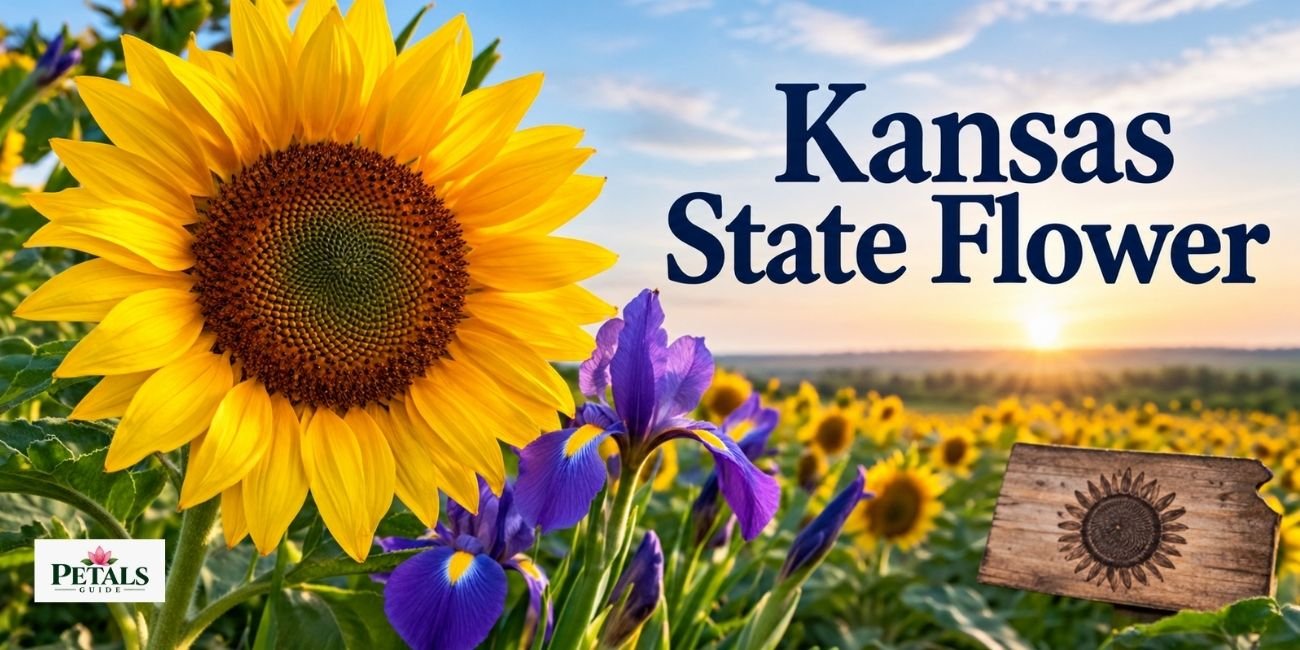
The wild native sunflower, known as Kansas State Flower, is a striking symbol of beauty and resilience. Far more than a simple bloom, it represents the spirit and culture of Kansas. This guide will walk you through its amazing backstory, its importance in nature, and how to cultivate it in your garden. Get ready to explore why the state flower for Kansas holds a special place in the hearts of its residents.
Quick Facts: Kansas State Flower at a Glance
- Common Name: Wild Sunflower
- Scientific Name: Helianthus annuus
- Official Status: Kansas State Flower
- Year Adopted: 1903
- Bloom Period: July through September
- Native Range: North America, including Kansas
What Is the Kansas State Flower?
The Kansas State Flower is the Sunflower, a vibrant symbol of the state’s spirit. This bright yellow bloom thrives in the sunny plains, representing warmth and resilience. Sunflowers not only brighten the landscape but also play a vital role in local ecosystems, attracting bees and other pollinators.
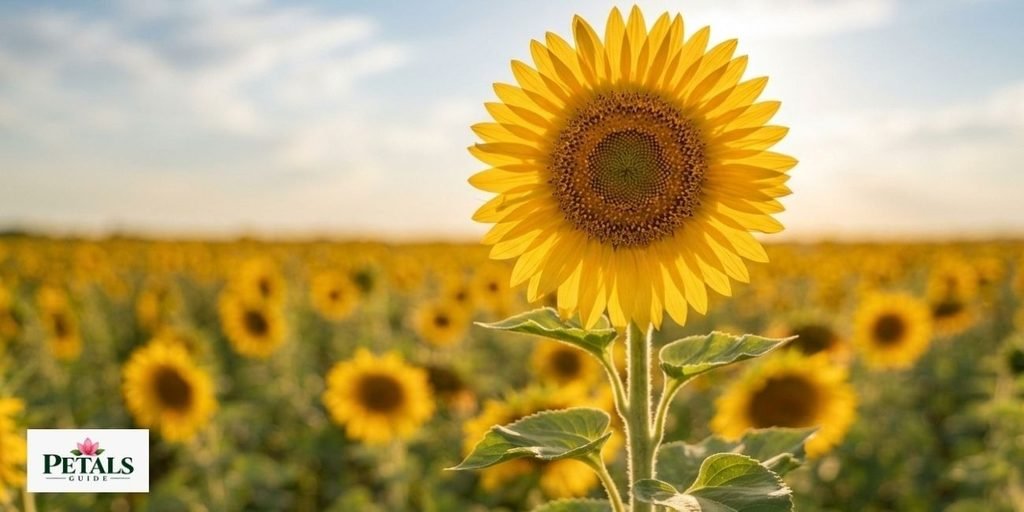
Celebrated for its beauty and uniqueness, the sunflower showcases Kansas’s agricultural heart. These flowers often stand tall, reflecting the strength of its communities. When you see fields of sunflowers swaying in the breeze, it’s a reminder of the state’s rich heritage and connection to nature. Their cheerful appearance brings joy to everyone who encounters them.
Botanical Profile: Helianthus annuus
Helianthus annuus, commonly known as the sunflower, shines brightly as Kansas state flower. Its vibrant yellow petals and tall stems make it a joyful sight across the Kansas landscape. These flowers are not just beautiful, they also attract bees and butterflies, boosting local biodiversity.
Sunflowers follow the sun throughout the day, a behavior known as heliotropism. This unique trait allows them to maximize sunlight, vital for their growth. Beyond their charm, sunflowers produce seeds rich in nutrients, which are enjoyed by both humans and wildlife. With their striking presence and ecological benefits, Helianthus annuus truly embodies the spirit of Kansas.
What Does the Kansas Sunflower Look Like?
The Kansas sunflower, known as the Kansas state flower, is a bright symbol of the Sunflower State. Its vibrant yellow petals radiate from a dark brown center, creating a stunning contrast. These tall, sturdy plants can reach heights of over six feet, swaying gracefully in the warm Kansas breeze. In late summer, entire fields burst into a sea of gold, inviting visitors to bask in their beauty.
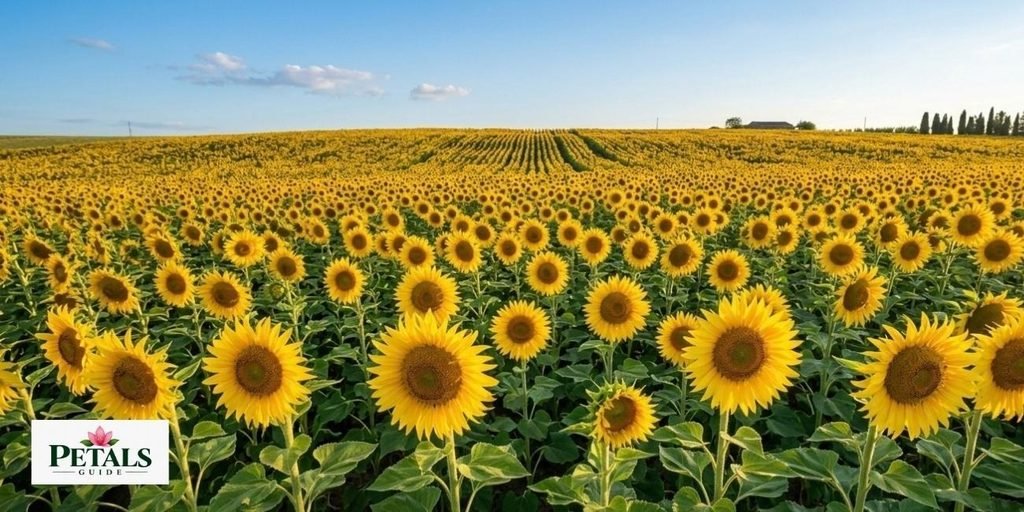
Beyond their looks, these sunflowers are vital to the ecosystem. They attract bees and butterflies, playing a key role in pollination. Farmers in Kansas often grow them not just for aesthetics but also for their seeds, which nourish birds and people alike. The sight of these cheerful blooms offers a sense of joy and connection to nature, reminding us of the simple beauty that surrounds us.
Native Wild Sunflower vs. Commercial Sunflower Cultivars
Native wild sunflowers and commercial sunflower cultivars tell different stories of beauty and utility in the Sunflower State, also known as Kansas. While the native varieties bloom in vibrant yellows across prairies, they thrive in diverse environments, attracting essential pollinators like bees.
Commercial sunflowers focus more on agricultural yield, providing seeds and oil for many products.
Native Wild Sunflowers:
- Adaptable to local soils
- Support wildlife and pollinators
Commercial Cultivars:
- Engineered for high oil content
- Grown primarily for profit and production
Both types enrich the landscape and economy of Kansas, reminding us that nature and cultivation can coexist beautifully.
How the Sunflower Became the Official State Flower of Kansas
Native American Heritage and Early Prairie Roots
The rich tapestry of Native American heritage in Kansas is deeply intertwined with the state’s natural beauty, particularly symbolized by the sunflower, Kansas’ state flower. Indigenous tribes like the Kaw and Osage thrived on the vast prairies, using the land’s resources to sustain their communities and cultures. Sunflowers were not just a vibrant bloom, they held significance in ceremonies and daily life, reflecting a deep connection to the earth and its cycles.
As the sunflowers dance in the gentle Kansas breeze, they remind us of the stories and traditions of the Native peoples who called this land home long before it became known as the “Sunflower State.” The resilience and wisdom of these early prairie roots continue to inspire today, encouraging a greater appreciation for the land and its history, a legacy that enriches the Kansas identity.
From “Noxious Weed” to State Symbol
In the state of Kansas flower, the sunflower’s journey from a so-called “noxious weed” to the beloved state flower exemplifies resilience and transformation. Once dismissed for its aggressive growth, it became a symbol of the state’s vibrant spirit and farming heritage. Designated as the Kansas state flower in 1903, the sunflower now stands proud amidst golden fields, celebrating the warmth and optimism of its people.
This ks state flower not only adds charm to the Kansas landscape but also represents the unity and strength of its communities. With its bright, cheerful petals facing the sun, it embodies a sense of hope and growth, reflecting the tenacity of Kansas residents. The sunflower has firmly rooted itself in the hearts of many, reminding everyone of the beauty that can blossom from challenging beginnings.
The 1903 Legislation
In 1903, the Kansas legislature officially designated the sunflower as the state flower of Kansas. This choice wasn’t just about beauty; it reflected the spirit of the people and the landscape. Sunflowers bloomed across the vast fields, symbolizing resilience and positivity in a land shaped by hard work.
The decision resonated with residents who saw the sunflower as a unifying symbol of pride. This vibrant flower represented the agricultural roots of the state, reminding Kansans of their connection to the land. Today, the sunflower stands tall not only as the state flower of Kansas but as a beacon of hope and tenacity for all who call this vibrant place home.
Why Kansas Is Nicknamed “The Sunflower State”
Kansas is lovingly known as “The Sunflower State” because of the vibrant sunflowers that flourish across its vast landscapes. These bright yellow flowers were designated the state flower of Kansas in 1903, symbolizing warmth and positivity. Sunflowers thrive in the rich Kansas soil, embodying the spirit of resilience and growth found in the heartland.
Beyond their beauty, sunflowers play a crucial role in the ecosystem, attracting bees and other pollinators essential for agriculture. This connection to nature reflects Kansas’s agricultural roots, where farming is a way of life. The sight of fields filled with these sun-kissed blooms serves as a reminder of the state’s rich heritage and the joy of the changing seasons.
Cultural and Symbolic Meaning of the Kansas Sunflower
Symbol of Prairie Resilience, Warmth, and Optimism
The Kansas sunflower, the state flower of Kansas, embodies the spirit of resilience across the vast prairies. Its bright yellow petals shine like a beacon, symbolizing warmth and optimism even in tough times. This flower thrives in challenging conditions, drawing strength from the sun while reflecting the determination of those who call Kansas home.
As the sunflower dances in the wind, it reminds us of the beauty found in simplicity and the strength in community. Alongside the sturdy cottonwood, the Kansas state tree, it forms a powerful connection to the land, celebrating both nature’s endurance and the unwavering hope of its people. The sunflower is not just a flower, it is a vibrant testament to the heart of Kansas.
The Sunflower on the Kansas State Flag
On the Kansas state flag, the sunflower stands out as a powerful symbol of the state’s agricultural heritage. It reminds us of the fields that bloom across the plains, supporting both the economy and the community. This vibrant flower has become an emblem of pride, connecting Kansans to their land and shared history, while also celebrating the beauty found in everyday life.
The Sunflower and Kansas State Seal
The Kansas sunflower is more than just a vibrant flower, it embodies the spirit of the state. Representing warmth and resilience, this striking bloom appears on the Kansas state seal, symbolizing growth and prosperity. Sunflowers thrive in the heartland’s rich soil, echoing the hardworking nature of Kansas residents.
Where and When to See Sunflowers in Kansas
From mid-July to early September, Kansas bursts into golden hues as the state flower, the sunflower, reaches its peak bloom. The prairies and roadsides transform into sprawling fields, with wild sunflowers thriving in their natural habitats.
Scenic Drives: A drive along K-4 or US-50 offers breathtaking views of vibrant sunflowers under the open sky.
Viewing Spots: Locations like the Flint Hills and areas near Wichita provide perfect backdrops for memorable photos.
Festivals: Don’t miss the annual sunflower festival in Bonner Springs, showcasing local crafts and delicious food alongside endless patches of sunflowers.
These experiences let visitors appreciate Kansas symbols in their full glory.
How to Grow Kansas Wild Sunflowers at Home
Growing Kansas wild sunflowers adds a splash of vibrant color to your garden while supporting local wildlife. These sun-loving plants thrive in well-drained soil, so choose a spot that gets at least six hours of sunlight daily. Amending your soil with organic compost can boost their growth and ensure healthy blooms.
- Planting and Spacing: Sow seeds directly in the ground in spring, spacing them about 12 to 18 inches apart to allow for their natural spread.
- Watering and General Care: Keep the soil moist until they’re established, then let nature do its job — these wildflowers are drought-tolerant once settled.
- When to Expect Blooms: Expect stunning yellow blooms by late summer, attracting the state bird of Kansas and other pollinators.
With every sunflower, you’re not just beautifying your space, you’re also supporting the diverse ecosystem, from the state animal of Kansas to its signature trees.
Final Thoughts: Why the Sunflower Represents Kansas
The sunflower is more than just a state flower for Kansas, it symbolizes the state’s spirit and resilience. Its bright yellow petals reflect the sunny skies and the warmth of the people living there. As a state flower, it connects history, culture, and nature in a beautiful way. Let the sunflower remind us to appreciate the beauty around us. Next time you see one, take a moment to enjoy its vibrant energy.
Reading these guides will help you to explore different states of flowers, their meaning, history and importance.
- National flower of Cambodia
- National flower of Brazil
- National flower of Cuba
- National flower of Greece
FAQs
What is the state bird and flower of Kansas?
The state bird of Kansas is the Western Meadowlark, known for its cheerful song. The state flower is the Sunflower, which blooms bright and beautiful across the fields.
What is the prettiest place in Kansas?
One of the prettiest places is the Konza Prairie. It features rolling hills and stunning wildflowers, making it perfect for a peaceful hike.
What is Kansas’s animal?
Kansas’s state animal is the American Bison. These majestic creatures symbolize strength and are a vital part of the state’s history.
What is Kansas’s state fruit?
The state fruit of Kansas is the Black Walnut. It’s not only delicious but also has a rich history in the state’s culture and economy.
Why is Kansas called the Sunflower State?
Kansas is known as the Sunflower State because sunflowers grow abundantly there. This bright flower symbolizes happiness and is a fitting match for the state’s cheerful spirit.
What is the Kansas state flower?
The state flower of Kansas is the sunflower. It was designated in 1903 and represents the beauty of Kansas landscapes.
Why is the sunflower the state flower of Kansas?
Sunflowers were chosen for their vibrant color and widespread growth in Kansas. They reflect the state’s natural beauty and agricultural