
The national flower of Ireland, the shamrock, holds a special place in Irish culture and history. In this article, we’ll explore Ireland national flower, what makes the shamrock so significant, how it’s celebrated, and why it’s important for the people of Ireland.
What is the National Flower of Ireland?
The national flower of Ireland is the shamrock, a small, three-leafed plant that many people associate with the country. The term “shamrock” comes from the Irish word “seamróg,” which means “young sprig of clover.” This flower is more than just a pretty plant; it has deep roots in Irish culture and history. The shamrock has become a symbol of Irish nationalism, representing unity among the Irish people and their struggle for independence.
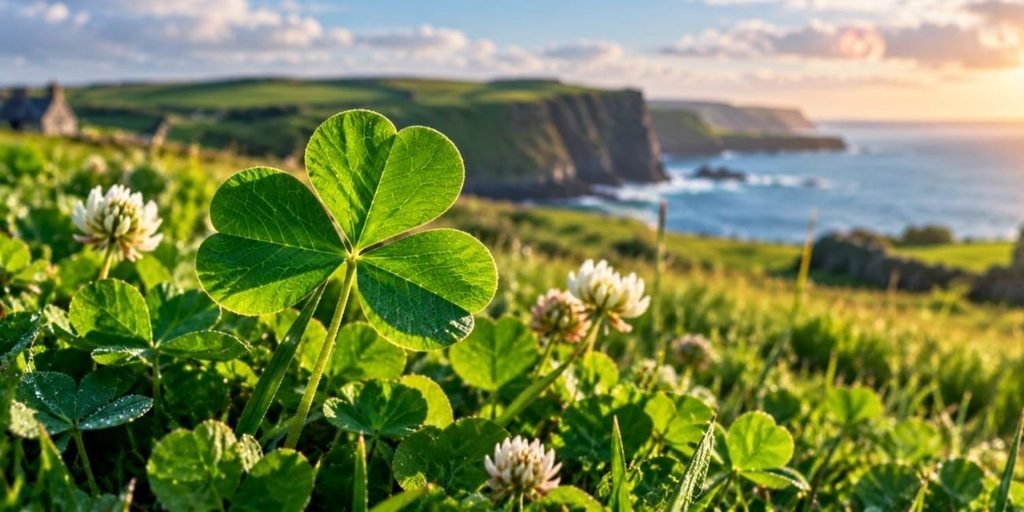
You’ll see shamrocks in various logos, sports teams, and even on St. Patrick’s Day decorations. Many believe that St. Patrick, the patron saint of Ireland, used the shamrock to explain the Holy Trinity (Father, Son, and Holy Spirit) to the Irish people. This connection to faith and heritage makes the shamrock a powerful symbol for many Irish people, both at home and around the world, reminding them of their roots and shared identity.
Why the Shamrock Holds Unofficial National Status?
The shamrock is more than just a pretty plant; it has become a symbol of Ireland’s identity and spirit. This small, three-leaved clover is often called Ireland’s unofficial national flower because of its deep historical roots. For centuries, it has represented everything from the beauty of the Irish landscape to the strength of its people. Many believe that St. Patrick, the patron saint of Ireland, used the shamrock to explain important ideas about Christianity. This simple plant quickly turned into a powerful symbol of Irish pride and culture.
The shamrock also has a rebellious side. During times of British rule, it served as a sign of resistance and unity among Irish people. Wearing a shamrock became a way to show support for independence and to celebrate Irish heritage. Each March 17th, on St. Patrick’s Day, people around the world proudly wear this clover, reminding everyone of its status as a symbol of hope and freedom.
Botanical Facts About the Irish National Flower
When discussing the national flower of Ireland, many might be surprised to learn that it is not a flower in the traditional sense. Shamrock is actually a sprig of clover, specifically the species Trifolium repens, or white clover. Some debate even exists over whether red clover (Trifolium pratense) or yellow clover (Trifolium aureum) could also represent the shamrock. This adds a fascinating twist to its representation in Irish culture!
These plants belong to the legume family and are perennial, meaning they can grow year after year. The leaves of the clover are easily recognizable, often featuring three leaflets that symbolize faith, hope, and love in Irish tradition. The vibrant green color of the leaves reflects Ireland’s lush landscapes, making it more than just a plant but an emblem of the country’s spirit. Clover is not just a pretty sight; it also plays a role in enriching the soil, as it helps in nitrogen fixation.
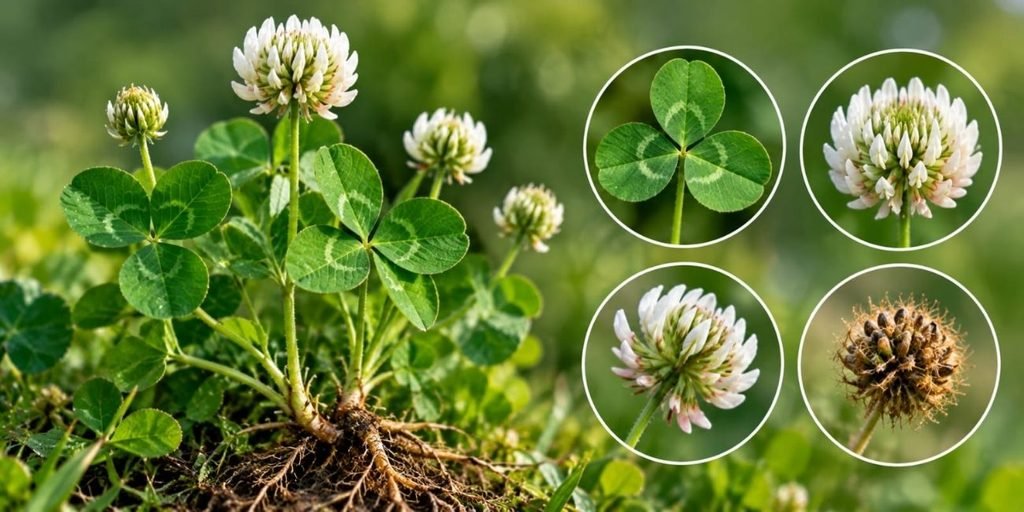
While the debate continues over the exact species linked to the shamrock, its importance in Irish history and folklore remains clear. Whether it’s the well-known white clover or a lesser-known variety, these plants embody the essence of Ireland.
What Does the Shamrock Symbolize in Irish Culture?
The shamrock, with its three leaves, holds a special place in Irish cultureas an emblem of Ireland. Each leaf is said to symbolize something important: faith, hope, and love. This simple plant is not just pretty; it connects deeply to Irish folklore and religious traditions. Many believe that St. Patrick used the shamrock to explain the Holy Trinity Father, Son, and Holy Spirit , showing how something small can hold big meanings.
Besides its religious ties, the shamrock also represents unity and balance. In nature, it thrives alongside other plants, reminding us of how we can grow better together. As you explore Irish stories and history, you’ll find that the shamrock encourages discipline and community. It’s a symbol of pride for many, reminding everyone that strength can come from being rooted together in shared values and beliefs. Just like the three leaves of the shamrock, each part plays an essential role in creating a vibrant whole.
Is the Shamrock a Plant or a Symbol?
The shamrock is often seen as a green plant, but it also holds deep meanings as a symbol. Botanically speaking, shamrocks usually refer to certain types of clovers, like white clover or yellow clover. These plants have three leaves, which is why people associate them with good luck. Some say the shamrock represents faith, hope, and love, which makes it even more special as a symbol.
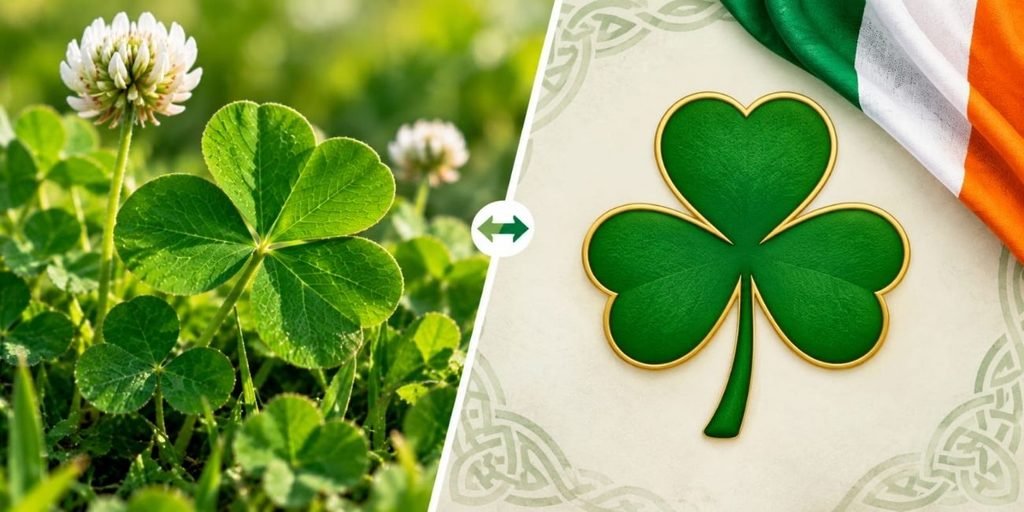
When we look at the shamrock as a symbol, it goes beyond just being a pretty plant. It holds a rich history linked to Irish culture. Many believe that St. Patrick used the shamrock to explain the concept of the Holy Trinity, showing how one thing can have three parts. This deep connection adds layers to the meaning of Ireland national flower, making it more than just something you might find in your backyard. So, whether you admire it as a botanical entity or a symbol of Irish heritage, the shamrock has a special place in both nature and culture.
Ireland National Flower History
The history of the national flower of Ireland, the shamrock, dates back to ancient times. Early Irish people believed it was a magical plant that brought good luck and symbolized fertility.
The shamrock was often used in rituals and ceremonies. It played a big role in folklore, with stories about how it connected people to their land and traditions. According to folklore, St. Patrick, the patron saint of Ireland, famously used the shamrock to explain the concept of the Holy Trinity, helping it become a symbol of faith for many.
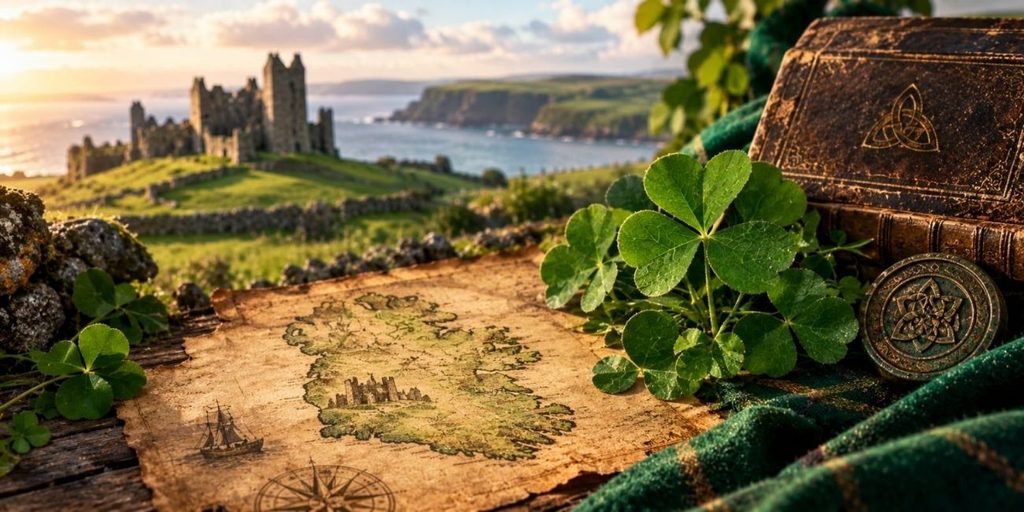
During the English rule in Ireland, the shamrock became a symbol of resistance. The Irish proudly wore it to show their identity and fight against oppression. In the 18th and 19th centuries, wearing a shamrock was a way for people to stand strong against attempts to suppress Irish culture.
Today, the shamrock remains a beloved national symbol of Ireland. It reminds people not only of the country’s rich history but also of the resilience and spirit of the Irish people.
Why the Shamrock Became a Global Icon of Ireland?
The shamrock became a global icon of Ireland for several reasons, starting with its deep historical roots. According to legend, St. Patrick, Ireland’s patron saint, used the three-leafed plant to explain the Christian Holy Trinity: the Father, the Son, and the Holy Spirit. This clever teaching method helped make the shamrock a powerful symbol of faith and culture, tying it closely to Ireland’s identity.
Beyond its religious significance, the shamrock represents Irish unity and pride. During the 18th century, it was used by Irish soldiers as a symbol of resistance against British rule. Wearing a shamrock became a way for people to show their love for Ireland, especially during tough times.
Today, the shamrock remains one of the best-known flowers of Ireland, although botanically it is a clover-like plant rather than a flower name for a specific species. It is celebrated worldwide on St. Patrick’s Day, when people wear shamrock designs to honor Irish culture. Its enduring popularity has made it a recognizable emblem of Ireland across the globe.
How the National Flower of Ireland Is Used Today
The National Flower of Ireland, the shamrock, is more than just a symbol of national pride. Its uses today reflect both cultural heritage and modern appreciation.
Celebrations: The shamrock features prominently in St. Patrick’s Day celebrations, with people wearing it to honor Irish culture and history.
Tourism: Many visitors flock to Ireland seeking shamrock-themed souvenirs, from jewelry to artwork, celebrating its iconic status.
Culinary Uses: Chefs are increasingly incorporating shamrock into dishes and cocktails, adding a touch of Irish charm and flavor.
Natural Remedies: Some herbalists promote shamrock for its potential health benefits, highlighting its role in traditional Irish herbal medicine.
Today, the shamrock continues to unite people, embodying a spirit of resilience and joy across the globe, inviting everyone to connect with Irish heritage.
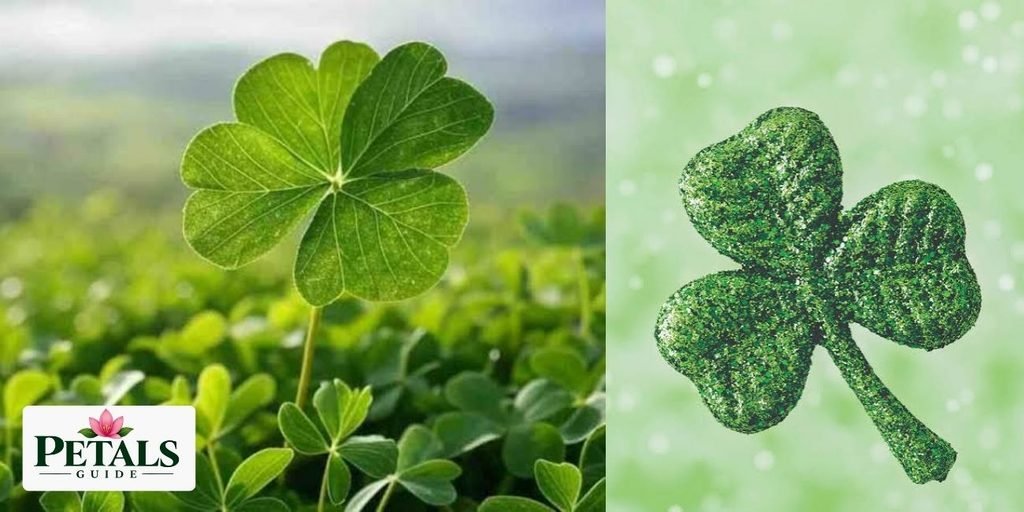
Key Takeaways About the National Flower of Ireland
The Republic of Ireland National Flower is a symbol deeply woven into the country’s cultural and historical fabric.
- Traditionally associated with St. Patrick, the shamrock was used to explain the Holy Trinity to the Irish people, showcasing its spiritual significance.
- Unlike many national symbols, the shamrock is not a single species; it typically refers to various clover species, including Trifolium dubium and Trifolium repens.
- It embodies both the beauty of Ireland’s lush landscapes and the resilience of its people, flourishing even in challenging conditions.
- The shamrock’s three leaves have inspired various interpretations, including faith, hope, and love, reflecting the values cherished by the Irish community.
- Beyond national identity, it’s also a motif in art and literature, appearing in both historical texts and contemporary works, enriching Ireland’s cultural narrative.
- The flower has even inspired global celebrations, particularly on St. Patrick’s Day, illustrating its role as a unifying force for the Irish diaspora worldwide.
Engaging with the shamrock offers a glimpse into Ireland’s rich heritage, where nature and spirituality interlace to create a powerful national symbol.
Conclusion
In conclusion, the National Flower of Ireland, the shamrock, holds a special place in the hearts of many people. It symbolizes Irish pride and tradition. The shamrock is not just a pretty plant; it also represents good luck and hope. Many sports teams and events celebrate this flower, showing how important it is to Irish culture. If you interested to learn about national flowers of different countries then you can read our articles on following topics.
National Flower of Afghanistan
FAQs
What is St. Patrick’s flower?
St. Patrick’s flower refers to the shamrock, which St. Patrick is said to have used to explain the concept of the Holy Trinity. It is also known the national flower Of Ireland.
What is the scientific name of the shamrock?
The term “shamrock” typically refers to several species of clover, most commonly Trifolium repens, or white clover.
Does the IRA have a symbol?
Yes. The Irish Republican Army (IRA) and other Irish republican groups have used different symbols. The Starry Plough, featuring a plough and stars, is associated with Irish republican and socialist movements, but it originated with the Irish Citizen Army.
What are the three most famous symbols of Ireland?
The shamrock, the Irish harp, and the green, white, and orange tricolour flag are three of Ireland’s best-known national symbols.
What is a famous Irish flower?
The shamrock is Ireland’s best-known plant symbol. Although often described as a flower, it is a small clover-like plant and is not an officially designated national flower.
What are the two national symbols of Ireland?
The harp and the shamrock are Ireland’s two official state emblems. The harp is the principal state emblem, while the shamrock is closely associated with Irish heritage and St. Patrick.