
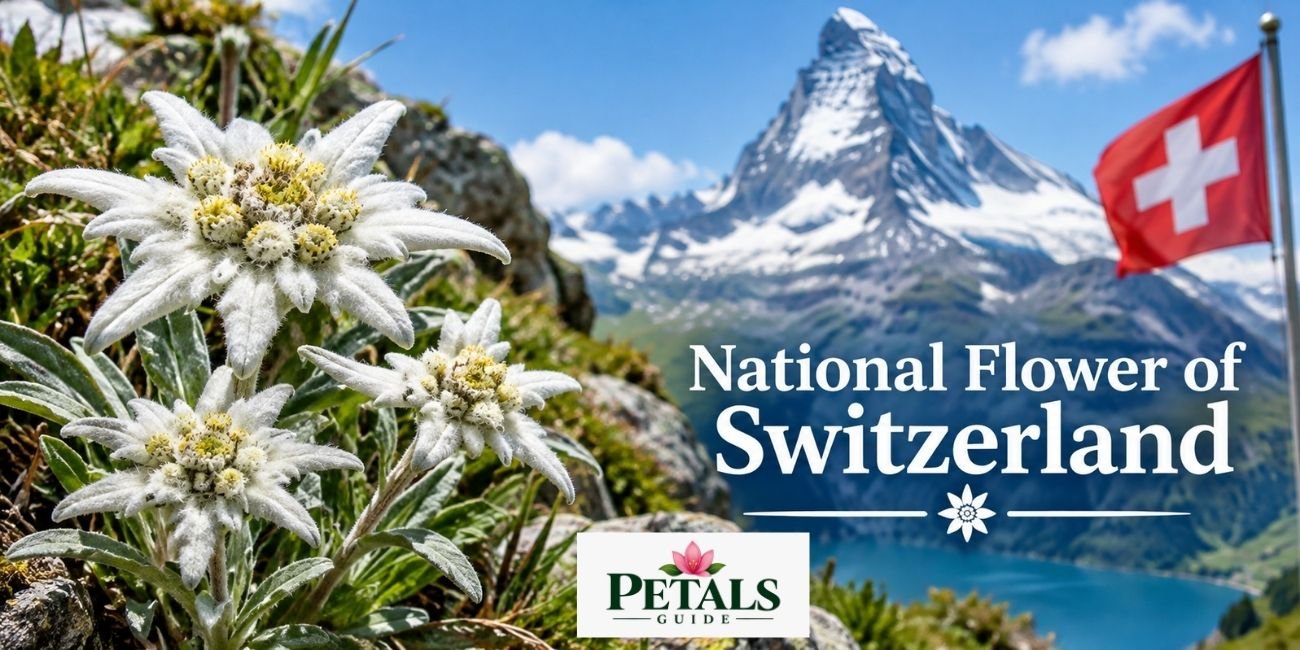
The stunning edelweiss, the national flower of Switzerland, holds a special place in the hearts of many. With its unique beauty and rich symbolism,growing in the rocky heights of the Alps, this flower represents the spirit of the Swiss people. In this article, we’ll dive into the amazing history and significance of the edelweiss. Get ready to discover why this flower is truly a national treasure.
About Switzerland
Switzerland, covering about 15,940 square miles, is a stunning tapestry of soaring mountains, lush valleys, and crystal-clear lakes. Dominated by the majestic Alps, this land is not only home to the iconic edelweiss, Switzerland’s national flower, but also boasts rich ecosystems that flourish in its diverse climates. The country’s commitment to environmental sustainability has been remarkable over the past 20 years, with initiatives aimed at preserving natural habitats and reducing carbon footprints.

The national animal of Switzerland , the mighty ibex, represents the rugged beauty of its terrain and the importance of conserving wildlife. The nation has embraced renewable energies, with many municipalities investing in solar and wind power. As communities unite around eco-friendly practices, Switzerland stands as a beacon of hope for environmental stewardship, blending nature’s beauty with human responsibility.
A Flower Born in the High Alps
Edelweiss, the national flower of Switzerland, thrives high in the rugged Alpine terrain, often found at elevations ranging from 1,800 to 3,000 meters. This resilient bloom, with its star-shaped white petals, emerges from rocky crevices, symbolizing purity and courage. Legends surround this delicate switzerland flower, often associated with alpine climbers and their daring adventures. For many, spotting an edelweiss is a cherished moment, a reminder of nature’s simple yet profound beauty in one of the world’s most breathtaking landscapes.
Why Edelweiss is the National Flower of Switzerland
The edelweiss, the national flower of Switzerland, symbolizes the rugged beauty of the Swiss Alps. This small, white flower thrives in harsh conditions, representing resilience and purity. Its unique structure and delicate petals reflect the spirit of the Swiss people, who cherish nature and simplicity.
- Blooms in high mountain regions.
- Associated with love and courage.
- Often featured in Swiss culture and folklore.
- A beacon of Swiss national pride.
Edelwiess is more than just a flower,it embodies the heart of Switzerland. Its allure draws visitors and locals alike, making it a beloved symbol of the nation’s natural heritage.
What is Switzerland’s National Flower?
The National Flower of Switzerland, the edelweiss, is a symbol of the Alps and Swiss culture. This small white flower thrives in rocky, mountainous areas, reminding us of the beauty found in nature’s harshest conditions. Known for its resilience, the edelweiss has become an emblem of strength and pride for the Swiss people. Its delicate petals and unique appearance capture the spirit of Switzerland, connecting citizens to their breathtaking landscapes.
Taxonomy of Edelweiss
- Kingdom: Plantae
- Clade: Angiosperms
- Clade: Eudicots
- Order: Asterales
- Family: Asteraceae (Daisy family)
- Genus: Leontopodium
- Species: Leontopodium nivale
- Common Name: Edelweiss
- Scientific Name: Leontopodium nivale
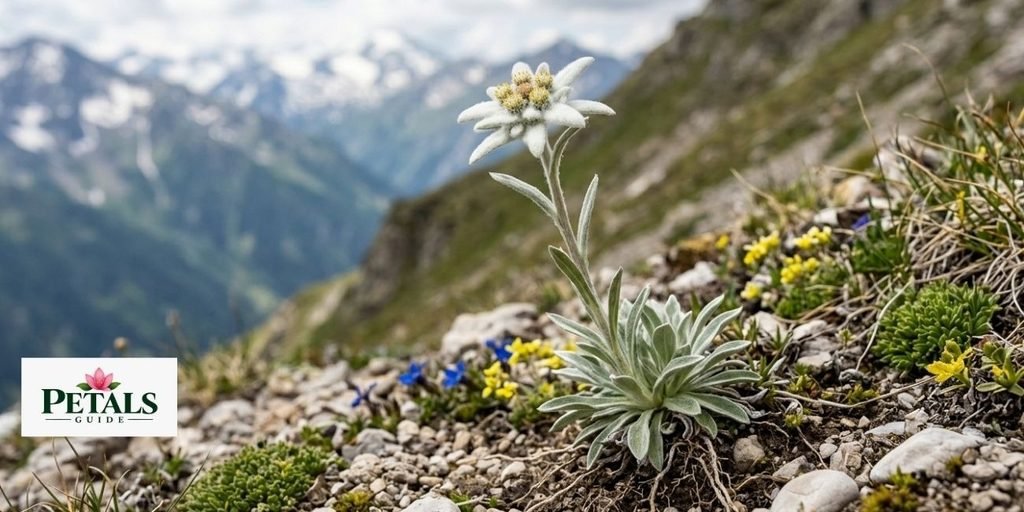
Edelweiss is a small, woolly alpine flower known for its distinctive white, star-shaped bracts and its ability to grow in cold, rocky mountain environments.
Cultural Meaning and Symbolism in Swiss Life
The edelweiss, known as the national flower of Switzerland, symbolizes bravery and resilience. This small, Switzerland flower thrives in harsh mountain conditions, representing the Swiss spirit of overcoming challenges. It’s more than just a flower, it’s a cultural emblem that connects people to their rugged landscape and rich heritage.
In Swiss folklore, the edelweiss signifies love and devotion, often gifted to express deep sentiments. Stemming from the Alps, this flower is celebrated in songs and festivals, emphasizing its importance in Swiss life. The edelweiss isn’t merely a beautiful sight, it serves as a reminder of nature’s strength and the values ingrained in Swiss culture.
What does edelweiss mean?
Edelweiss, the National Flower of Switzerland, carries a charm that transcends its delicate petals. Symbolizing bravery and love, its name translates to “noble white,” reflecting both its beauty and the rugged mountains where it thrives. Naturalist Karl von Moll played a vital role in bringing the edelweiss into the spotlight through his passionate studies. Often called “wollblume,” or “wool flower,” it captures the essence of resilience in harsh alpine conditions, making it a treasured symbol for those who yearn for the wild and the beautiful.
What is an Edelweiss?
The edelweiss, often called the National Flower of Switzerland, is a captivating sight in the alpine mountains. Though not a single flower, it boasts a cluster of 500 to 1,000 tiny florets, creating a striking double star shape. Its velvety white leaves protect it from harsh weather at altitudes between 5,000 and 10,000 feet, symbolizing resilience. This majestic plant blooms in late summer, usually from July to September, enchanting hikers and nature lovers alike in Austria, where it’s also celebrated as the Austria national flower.

Where Does the Edelweiss Grow?
The edelweiss, the national flower of Switzerland, thrives in the rocky, alpine regions of the Swiss Alps. These delicate white blooms often blanket steep, rugged terrains, showcasing their resilience against harsh weather. Found at elevations between 1,800 and 3,000 meters, the edelweiss flower symbolizes enduring beauty and adventurous spirit. As a treasured emblem of Swiss culture, this Switzerland flower national draws hikers and nature lovers alike, celebrating its unique charm amidst breathtaking mountain landscapes.
Edelweiss in Nature: Rare, Protected, and Respected
Edelweiss, the national flower of Switzerland, blooms in the rugged alpine landscapes, symbolizing resilience and beauty. Growing in rocky places, this rare flower captivates both hikers and botanists alike, thriving in harsh conditions. The edelweiss flower is not just a stunning sight, it holds cultural significance, representing a deep connection to nature and the Swiss spirit. Protected by law, it reminds us of the importance of conserving these delicate ecosystems for future generations.
Where Travelers Can See Edelweiss Today
In the heart of the Alps, the edelweiss flower flourishes, capturing the essence of Switzerland’s rugged beauty. Travelers can spot this enchanting bloom in several locations, particularly in:
- The Swiss National Park, where rare wildlife and stunning landscapes coexist.
- The Matterhorn region, known for its breathtaking mountain views.
- The Lauterbrunnen Valley, a paradise for hikers and nature enthusiasts.
Edelweiss, the Switzerland national flower, thrives in rocky terrains, making the journey to find it a rewarding adventure. Exploring these areas not only reveals the beauty of the edelweiss, but also deepens appreciation for Switzerland’s rich cultural heritage.
Edelweiss as a Sustainability Symbol
The edelweiss flower stands as the national flower of Switzerland, embodying resilience in the face of harsh alpine conditions. Its delicate beauty is a reminder of nature’s fragility and the importance of conservation.
- Symbolizes sustainability and environmental protection.
- Represents the need for balance between nature and tourism.
- Inspires initiatives to preserve Swiss alpine ecosystems.
The edelweiss serves as a poignant symbol of sustainability, encouraging a deeper appreciation for our natural world and the efforts needed to safeguard it.
Edelweiss vs Other Alpine Flowers in Switzerland
The national flower of Switzerland, edelweiss, stands out with its starry white petals and rugged charm, embodying the spirit of the Alps. Unlike many other alpine flowers, the edelweiss flower thrives in harsh conditions, symbolizing resilience and beauty amid adversity. While vibrant blooms like the gentian or alpine rose showcase the Alps’ color palette, the edelweiss carries a nostalgic and iconic status, often linked to legends and alpine folklore. This unique flower’s presence in the mountains evokes a deep connection to Swiss culture, making it not just a flower but a symbol of national pride.
What is the Cultural Significance of Switzerland’s National Flower?
The official flower of Switzerland, the edelweiss, holds a special place in the hearts of both locals and visitors. This resilient bloom, often found in the rugged Alps, symbolizes courage and beauty in the face of adversity. People cherish the edelweiss not only for its striking appearance but also for the rich folklore surrounding it, which celebrates themes of love and adventure. An edelweiss picture often evokes the spirit of nature and the timeless landscapes of Switzerland.
Additionally, the national flower of Switzerland reflects the country’s deep connection to its mountainous terrain and the alpine traditions that thrive there. It serves as a reminder of the delicate balance between nature and culture, drawing tourists to witness its beauty firsthand. The edelweiss inspires a sense of pride and unity among Swiss citizens, making it more than just a flower, it embodies the essence of a nation’s identity.
Final Thoughts About National Flower of Switzerland
The national flower of Switzerland, the Edelweiss, symbolizes beauty and resilience. Its unique presence in the Swiss Alps makes it a treasured part of the country’s culture. Valuing such natural wonders reminds us of the importance of conservation. Let’s appreciate and protect this iconic flower for generations to come.
FAQs About Switzerland’s National Flower
What does an Edelweiss symbolize?
Edelweiss symbolizes bravery, love, and adventure. It’s often associated with mountainous regions and represents the beauty of nature.
What is the Swiss flower?
The Swiss flower is Edelweiss, known for its white star-shaped blooms. It grows in rocky Alpine areas and is cherished for its rarity.
Is Edelweiss Austrian or German?
Edelweiss is found in both Austria and Germany, making it a beloved symbol in both countries, especially in the Alps.
Why did German soldiers wear Edelweiss?
German soldiers wore Edelweiss as a symbol of bravery and loyalty during World War II, particularly in mountainous regions.
What does Edelweiss mean in Switzerland?
In Switzerland, Edelweiss means “noble white.” It reflects the flower’s beauty and its unique characteristics.
Why is Edelweiss rare?
Edelweiss is rare due to its specific growing conditions in rocky Alpine environments, making it hard to find.
Is Edelweiss native to North America?
No, Edelweiss is not native to North America. It primarily grows in the Alps in Europe.
What does “edelweiss” mean in German?
“Edelweiss” translates to “noble white” in German, referring to the flower’s distinctive color and elegance.
Is edelweiss the national flower of Switzerland?
Yes, edelweiss is the national flower of Switzerland. It symbolizes the beauty of the Swiss Alps.
Why is edelweiss important to Switzerland?
Edelweiss represents Swiss culture and resilience. It’s admired for its beauty and rarity.