
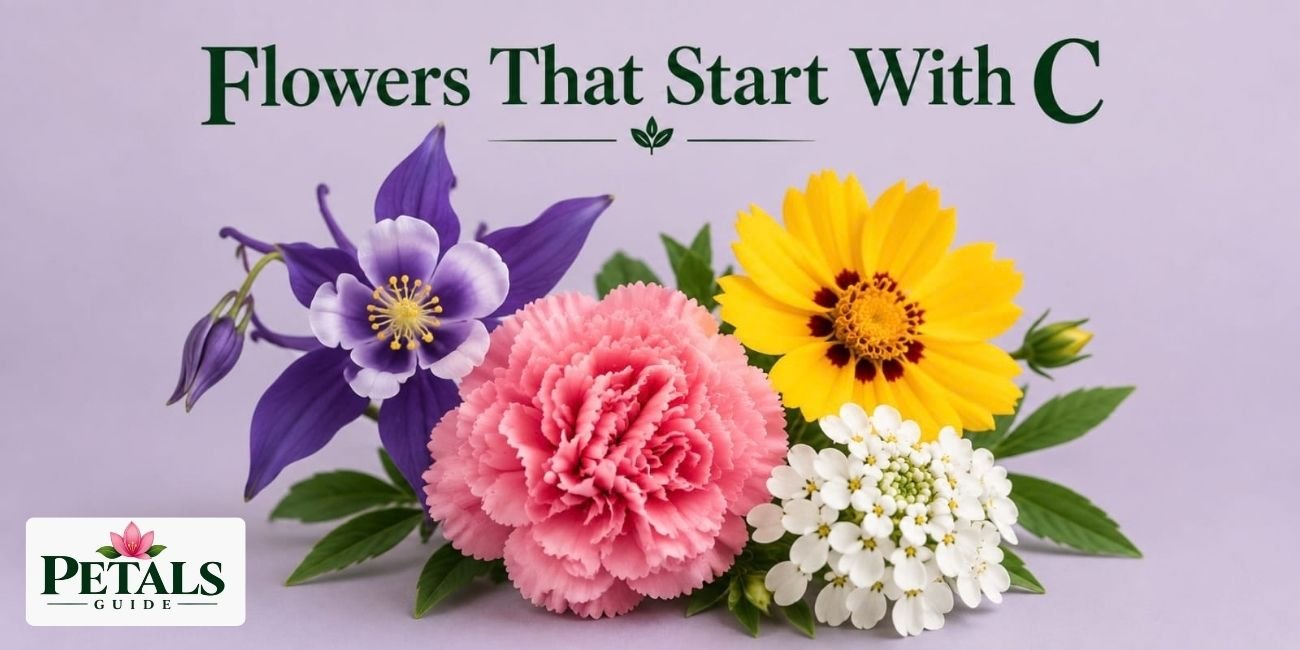
Flowers can brighten up anyone’s day, and many of these flowers start with the letter C! You may be wondering which C flowers are the most beautiful or unique. Let’s uncover the top 17 Beautiful flowers that start with C and share amazing facts about each one. By the end, you’ll know which flowers to consider for your own garden or to give as a gift!
List of 17 Beautiful Flowers That Start With C
Here is the list of the top 17 amazing flowers starting with C.
- Calla Lily
- Camellia
- Celosia
- Clematis
- Candytuft
- Cattleya Orchid
- Cosmos
- Crocosmia
- Chrysanthemum
- Chocolate Cosmos
- Canterbury Bells
- Crown Imperial
- Columbine
- Coreopsis
- Cyclamen
- Coneflower
- Carnation
Now that you’ve seen the complete list of flowers that start with C, let’s take a closer look at each one. Below, you’ll find a brief description of every flower, including its appearance, growing habits, and what makes it a popular choice for gardens and floral displays.
Calla Lily – Elegant Trumpet Shaped Flower
The Calla Lily, scientifically known as Zantedeschia, is an elegant flower admired for its distinctive shape. It features a smooth, trumpet-like bloom that comes in a variety of colors, including white, yellow, pink, orange, and deep purple. These plants usually grow about 2 to 3 feet tall. Originally from Africa, Calla Lilies bloom in spring and summer, adding beautiful color to outdoor spaces.
Calla Lilies thrive in full sun or light shade, needing consistently moist soil to flourish. They prefer well-drained soil and are best suited for USDA hardiness zones 8 to 10. Besides their beauty, these flowers are often seen in weddings and special events, symbolizing purity and rebirth. Interestingly, they can attract butterflies and some bees, but pet owners should be careful, as the plant is toxic to pets if ingested.
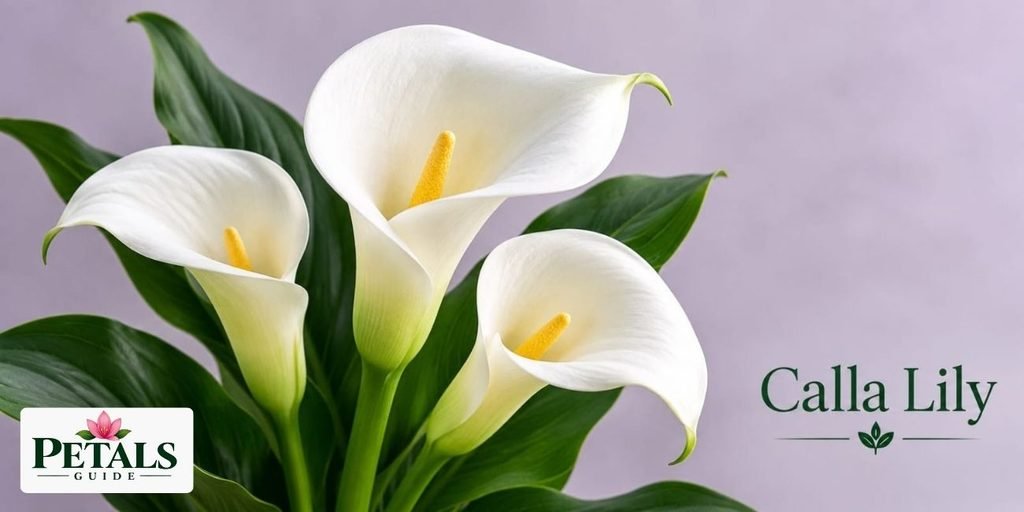
The simple elegance of the Calla Lily doesn’t just lie in its looks; it carries deeper meanings too. Often associated with love and devotion, the flower is a favorite for bouquets and arrangements, offering both fragrance and visual appeal. In the garden, they create a lovely scene while also inviting nature in, making them a perfect pick for any flower lover.
Camellia – Rose Like Elegant Blooms
Camellia flowers are known for their beautiful, showy blooms that come in colors like white, pink, red, and even mixes of these shades. They can be found in different flower shapes – some look like a single flower, while others are semi-double or fully double, which means they have more petals.
The leaves are glossy and evergreen, giving the plant a shiny look all year long. Typically, Camellia plants grow to about 3 to 20 feet tall, and they can spread out wide, making them great for gardens and landscapes.
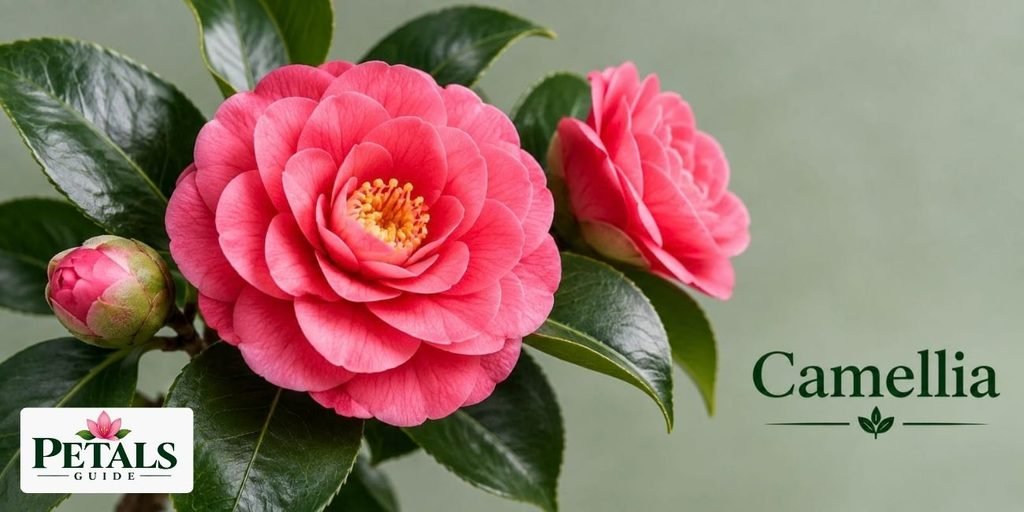
These lovely flowers are native to eastern and southern Asia, especially in places like China, Japan, and Korea. They usually start blooming from late fall and continuing through spring, depending on the type of Camellia.
When growing these plants, they prefer areas that get partial shade and thrive in rich, well-drained soil that is slightly acidic. This means if you want to plant them, make sure the area isn’t too sunny and that the soil is just right!
Celosia – Fiery Feather Like Blooms
Celosia, a beautiful flower that starts with C, is known for its unique flame-like or cockscomb-shaped blooms. These flowers come in vibrant colors like red, yellow, and orange, making them eye-catching additions to gardens or flower arrangements. Originating from regions in Africa, Asia, and South America, Celosia thrives best in warm climates with full sunlight.
These lovely flowers bloom during the summer and into early fall, adding cheerful colors to your outdoor spaces. To grow Celosia, plant it in well-drained soil and keep it moderately watered but not waterlogged.
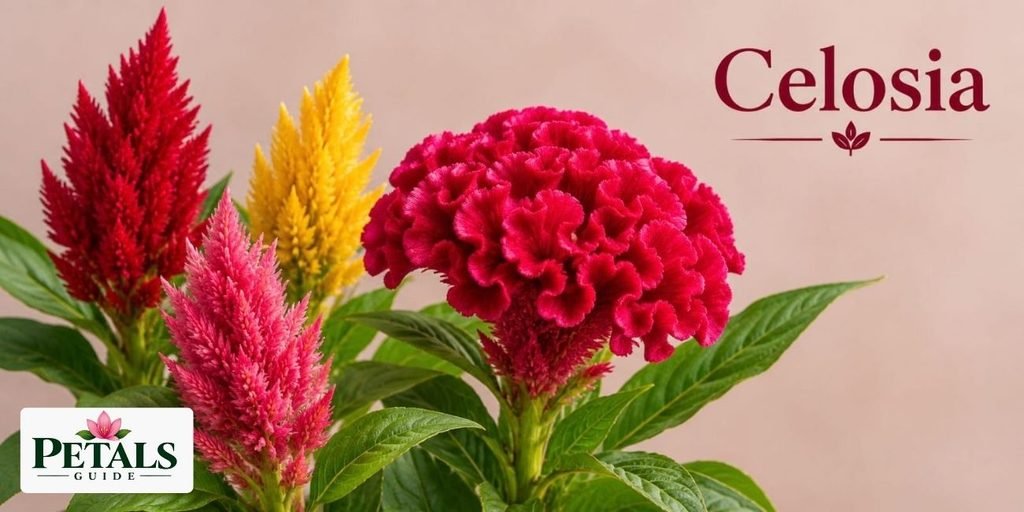
Apart from their beauty, Celosia flowers make excellent dried decorations and can also be used as edible leafy vegetables, adding a twist to your salad or stir-fry. Some types of Celosia are also enjoyed in dishes around the world.
Clematis – Climbing Vine with Star Shaped Blooms
Clematis is a beautiful climbing vine prized for its large, star-shaped flowers that bloom in a wide range of colors, including purple, pink, white, blue, and red. Native to various regions across the Northern Hemisphere, it is a favorite among gardeners for its long blooming season and ability to add vertical interest to landscapes. Most varieties flower from late spring through early fall, depending on the type.
Clematis grows best in well-drained, fertile soil and prefers full sun with its roots kept cool and shaded. It is widely used to cover trellises, fences, arbors, pergolas, and walls, creating a colorful floral display.
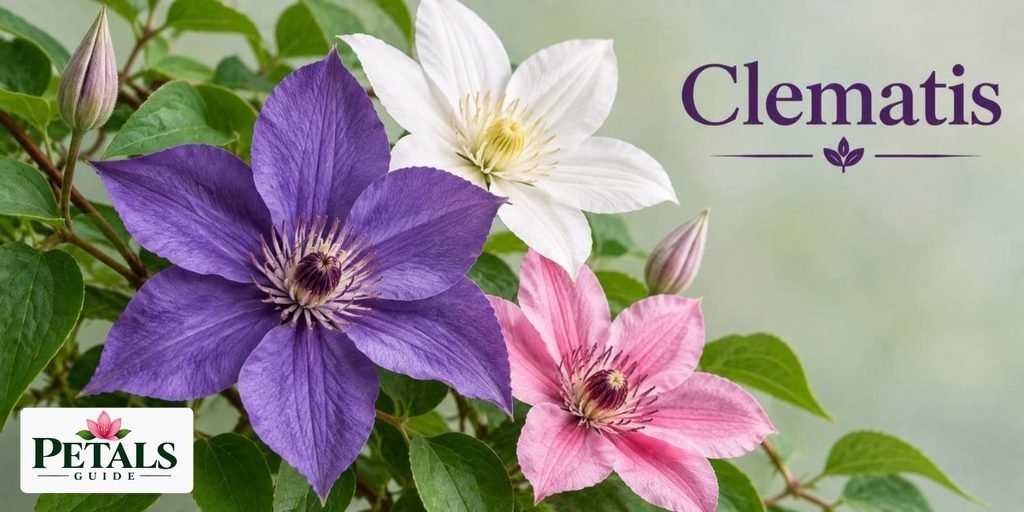
The flowers also attract bees, butterflies, and other pollinators, making them a valuable addition to wildlife-friendly gardens. An interesting fact about Clematis is that some varieties are evergreen, providing year-round foliage and structure even when they are not in bloom.
Candytuft – Delicate White Blooms
Candytuft, a charming perennial belonging to the Iberis genus, is renowned for its classic, fragrant clusters of small flowers that bring life to gardens. Predominantly showcasing pure white blossoms, it also delights with pink and purple variations, adding subtle shades to any landscape.
These low-growing evergreen plants thrive in well-draining soil, making them perfect for compact spaces. Their vibrant blooms heavily emerge in spring, creating a soft, colorful carpet that attracts bees and butterflies, enhancing the biodiversity of your garden.
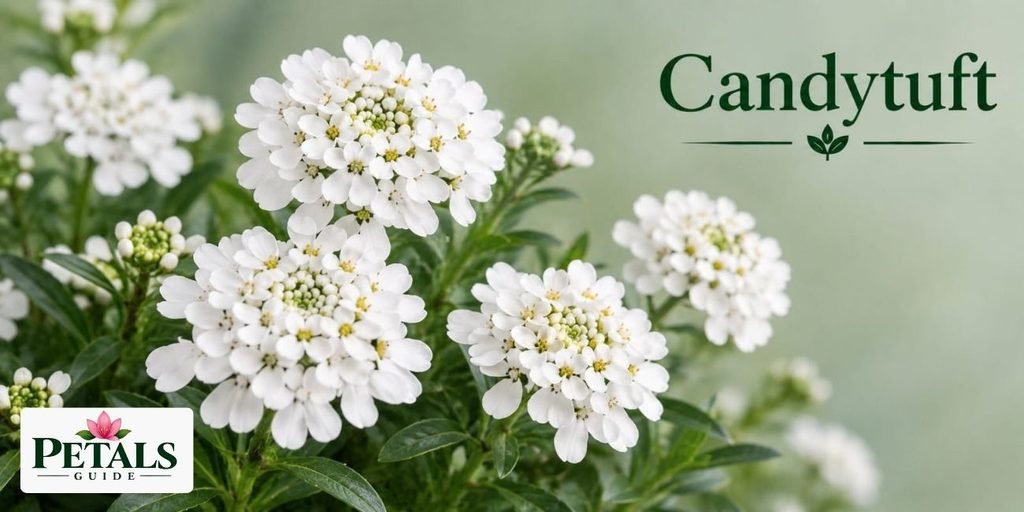
Native to Europe and parts of the Mediterranean, Candytuft is exceptionally popular as a ground cover in rock gardens, borders, and as edging around pathways. Its resilience in various growing conditions, coupled with its ability to suppress weeds, makes it a favorite among gardeners looking for low-maintenance beauty.
Additionally, its evergreen habit provides year-round interest, making it a reliable choice even when other flowers are out of season. With its delicate flowers and easy care, Candytuft is a delightful addition to any outdoor space.
Cattleya Orchid – Exotic Orchid Flowers
Cattleya orchids, often called the “Queen of Orchids,” are prized for their large, ruffled, and fragrant flowers. These stunning blooms come in vibrant shades of purple, pink, white, yellow, and orange, making them a favorite choice for floral arrangements and corsages. Cattleyas are native to the tropical regions of Central and South America, thriving in warm, humid environments.
This orchid typically blooms between late winter and early spring, but with the right care, you can enjoy its beauty longer. To grow Cattleya orchids successfully, they need bright, indirect light and well-draining potting mix. They appreciate warmth and humidity, so maintaining these conditions is essential for healthy growth.
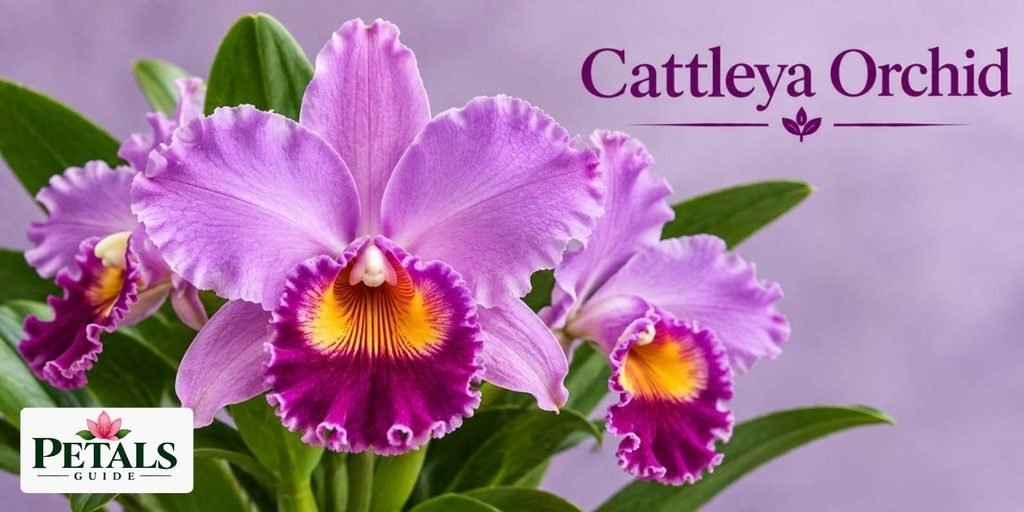
Interestingly, Cattleyas can be quite resilient, making them a perfect choice for both novice and experienced gardeners alike. Their delightful fragrance and eye-catching colors add charm to any space, making them beloved by flower lovers everywhere.
Cosmos – Cheerful Daisy Like Flowers
Cosmos flowers, with their delicate, daisy-like blooms, bring a whimsical charm to any garden. Their airy, fern-like foliage adds a graceful touch, swaying gently in the breeze. Available in vibrant shades of pink, white, orange, and purple, Cosmos offers an enchanting palette that brightens landscapes.
These blooms are not just visually appealing; they thrive in sunny conditions and are straightforward for gardeners of all skill levels to cultivate, making them a popular choice for both beginners and seasoned horticulturists.
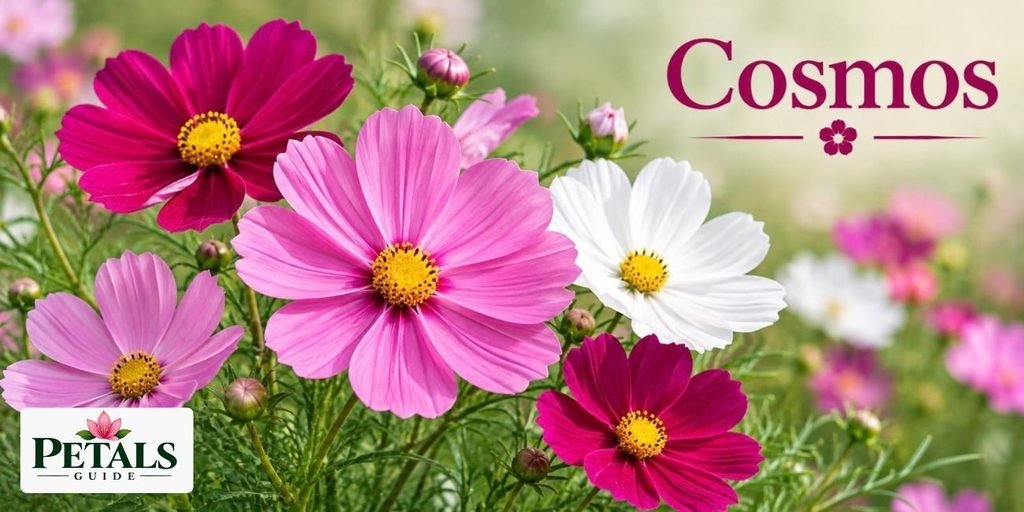
Growing natively in Mexico and the United States, Cosmos blossoms from late spring through the first frost, providing a colorful show for months. Their open blooms attract a multitude of butterflies, bees, and other essential pollinators, making them vital in supporting local ecosystems.
Often seen gracing cottage gardens and wildflower meadows, they also shine in cut flower arrangements, bringing a touch of wild beauty indoors. An exciting feature of Cosmos is their ability to self-seed, ensuring a delightful surprise of new plants in the following season — an effortless way to keep the garden vibrant year after year.
Crocosmia – The Fiery Bloom
Crocosmia, often called “montbretia,” is a stunning flower that boasts vibrant colors like fiery orange, yellow, and red. These trumpet-shaped blooms appear in clusters on tall stems, creating a lively display that can brighten any garden. They typically bloom in late summer, bringing cheer and a splash of color when many other flowers start to fade.
What makes Crocosmia special is its ability to attract butterflies and hummingbirds, turning your backyard into a lively haven for these beautiful creatures. The leaves are long and slender, adding an elegant touch even when the flowers aren’t in full bloom.
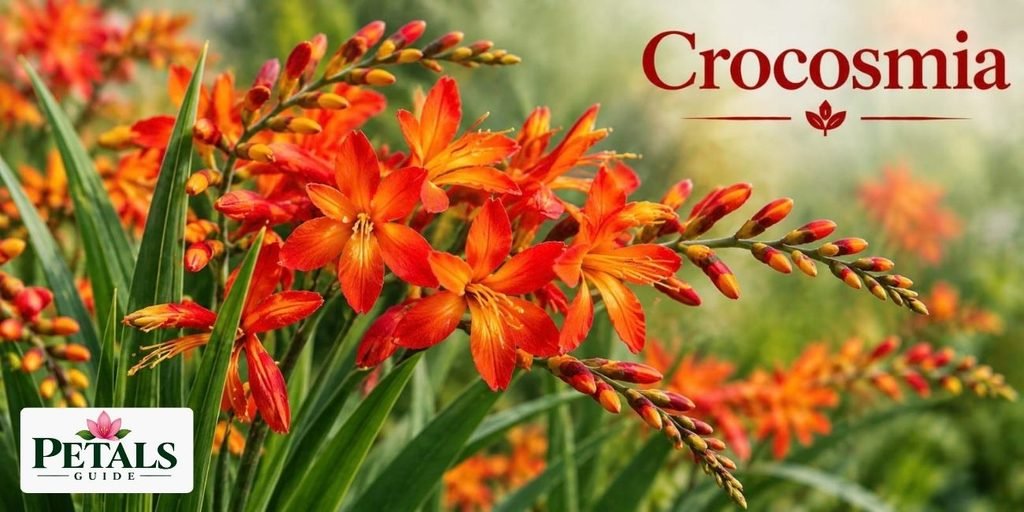
Crocosmia is hardy and can thrive in various conditions, making it a great choice for gardeners looking for low-maintenance beauty. The way these flowers sway gently in the breeze gives gardens a dynamic and cheerful atmosphere that’s hard to resist!
Chrysanthemum – Colorful Autumn Blooms
Chrysanthemums, often called “mums,” are bright and cheerful flowers that come in many colors, including yellow, white, pink, and red. They bloom in the fall, making them a popular choice for autumn gardens. These flowers not only add color but also symbolize joy and optimism, often being associated with celebrations.
Chrysanthemums are more than just pretty blossoms. They’re used in various cultures around the world, especially in Asia, for tea and even in cooking. Many people believe that chrysanthemum tea can help soothe headaches and improve health.
With their vibrant hues and long-lasting blooms, these flowers make lovely cut flowers for bouquets and arrangements, bringing smiles to any room. Whether in gardens or homes, chrysanthemums remind us of the beauty of nature and the joy it can bring.
Chocolate Cosmos – Chocolate Scented Blooms
Chocolate Cosmos are truly a unique gem among flowers that start with C. These stunning blooms showcase deep burgundy petals that can remind you of dark chocolate, adding an air of elegance to any garden. Not only do they catch the eye, but they also fill the air with a delightful chocolate-like scent, making them a treat for both the eyes and the nose.
Native to Mexico, Chocolate Cosmos bloom beautifully from summer through fall, thriving in full sun and well-drained soil. Their velvety petals make them stand out in borders, containers, or cut flower arrangements, giving gardens a rich and luxurious feel. An interesting fact about these flowers is that the original wild Chocolate Cosmos no longer exists in the wild, and the plants we see today are clones carefully cultivated by gardeners.
Canterbury Bells – Bell Shaped Colorful Blooms
Canterbury Bells are beautiful flowers that catch your eye with their large, bell-shaped blooms. These colorful flowers can be found in stunning shades of blue, purple, pink, and white. Native to southern Europe, they bloom from late spring to early summer, adding a splash of color to any garden.
These charming flowers thrive in full sun to partial shade and prefer well-drained soil. This makes them perfect for cottage gardens and borders, where they can grow tall and proud.
People love using Canterbury Bells in cut flower arrangements because their blooms last a long time, bringing joy indoors. Because they are biennial in most climates, you may need to plant them every other year, but the effort is worth it for these lovely hues in your garden.
Crown Imperial – Crown Shaped Orange Blooms
Crown Imperial, or Fritillaria imperialis, is a unique spring flower that grabs attention with its crown-shaped blooms. These flowers dangle like bells in bright shades of orange, red, and yellow, creating a colorful display in any garden. At the top, they’re adorned with leafy bracts that form a stunning crown, enhancing their visual appeal.
Native to the Middle East and parts of Asia, Crown Imperials bloom from mid to late spring, making them a delightful addition to flower beds when many other plants are just waking up. These flowers thrive in full sun and well-drained soil, which helps them flourish beautifully. Many gardeners plant Crown Imperials as a dramatic focal point in borders, and their tall stems can reach up to three feet high.
An interesting fact about these bulbs is that they have a strong scent, which helps to keep away rodents like moles and voles. So, not only do they add color to your garden, but they also serve a practical purpose in maintaining a healthy landscape. If you’re exploring flowers starting with C, Crown Imperial is a perfect choice for its charm and functionality.
Columbine – Graceful Spurred Blooms
Columbine (Aquilegia) is one of the most elegant flowers that start with C, admired for its distinctive spurred blooms and delicate beauty. This eye-catching flower stands out among C flowers for its unique shape, with long, nectar-filled spurs that give each blossom an elegant appearance. Its nodding flowers bloom in shades of blue, purple, pink, red, yellow, and white, often featuring striking two-tone combinations that bring vibrant color to gardens and natural landscapes.
Columbine is native to the Northern Hemisphere, meaning you can spot it in places like North America and parts of Europe. It typically blooms from spring to early summer, making it one of the first flowers you see as the weather warms up. This makes it a delightful addition to any garden, as it brings joy and beauty when many other plants are just starting to wake from their winter rest. What’s more, it’s often loved by bees and butterflies, helping to create a lively atmosphere in your garden.
Coreopsis – Bright Daisy Like Blooms
Coreopsis, commonly known as tickseed, is a cheerful flower that can light up any garden. With its bright yellow or golden petals and a central dark disc, this plant is often a favorite among gardeners. Coreopsis blooms from late spring to early fall, making it a reliable choice for adding color throughout the growing season.
Not only do these flowers look great, but they are also easy to grow. They thrive in well-drained soil and prefer full sun, which means they need about six to eight hours of sunlight each day. Coreopsis plants are tough and can withstand drought, making them an excellent option for low-maintenance gardens. Plus, they attract butterflies and bees, helping to support local ecosystems. With a little care, you can enjoy vibrant blooms that last all summer long.
Cyclamen – Elegant Upswept Blooms
Cyclamen are beautiful flowers that bloom in a variety of colors, including pink, white, and red. These unique plants have heart-shaped leaves that often have silver patterns on them, making them visually appealing even when they aren’t in bloom. Cyclamen thrive in cool temperatures, which makes them perfect for indoor gardens during the winter months.
What sets cyclamen apart is their distinctive flower shape, resembling little butterflies dancing on thin stems. They can be found in both wild and cultivated forms, with the wild varieties often growing in shady areas.
Cyclamen are also known for their ability to go dormant in the hotter months, storing energy in their tubers, which helps them return stronger when temperatures cool down again. This resilience makes them an excellent choice for gardeners looking for low-maintenance yet lovely plants.
Coneflower – Vibrant Cone Centered Blooms
Coneflowers, known scientifically as Echinacea, are vibrant flowers that belong to the daisy family. These flowers usually have a cone-shaped center surrounded by colorful petals that come in shades of purple, pink, and white.
What makes coneflowers special is their resilience; they can thrive in various soil types and can withstand drought, making them excellent additions to gardens. They attract pollinators like butterflies and bees, helping to support local ecosystems.
Among many flowers that start with C, coneflowers not only offer beauty but also have medicinal qualities. Many people use them for boosting the immune system and fighting off colds. These hardy flowers bloom throughout the summer and into early fall, providing continuous color and life to any landscape. Coneflowers make a great choice for both novice and experienced gardeners who want to add a touch of charm to their outdoor spaces.
Carnation – Ruffled Fragrant Blooms
Carnations are popular cut flowers known for their ruffled, fragrant blooms. These flowers come in a variety of colors, including shades of pink, red, white, yellow, purple, orange, and even bi-colored varieties. Native to the Mediterranean region, they bloom from late spring through summer, adding vibrant colors to gardens and floral arrangements alike. They thrive in well-drained soil and prefer sunny spots, making them easy to grow for both beginners and seasoned gardeners.
Commonly used in bouquets and arrangements for weddings, birthdays, and other special occasions, carnations symbolize love, admiration, and gratitude. Their long vase life makes them a favorite among florists and flower lovers. Additionally, the spicy, clove-like fragrance of carnations adds an extra layer of charm, making them not just visually appealing but also a delight to the senses.
Why Do C Flowers Feel More Dramatic Than Most?
Flowers that start with the letter C, often carry a striking presence that sets them apart from the rest. Think of the vibrant colors and unique shapes they possess. Flowers like Calla Lilies and Chrysanthemums have an elegance that truly catches the eye. Their dramatic forms can transform any space from ordinary to extraordinary, making them favorites for special occasions.
The emotions these flowers evoke play a big role in their allure. When you see a bunch of bold Carnations or the sleek lines of a Cobra Lily, they seem to tell a story. It’s almost as if they hold secret meanings and deep feelings, ready to stir our hearts. This emotional connection, along with their stunning appearances, makes C flowers feel more intense and memorable compared to other blooms. They are not just flowers; they are experiences waiting to happen.
Why Do Flowers Starting With C Dominate Visual Design?
Flowers starting with C, like carnations and chrysanthemums, really shine in visual design because of their unique traits. Their shapes often create strong edges and interesting silhouettes, which make them stand out in photos or paintings. This contrast helps designers draw our eyes to the flower, making it easy to remember.
Moreover, these flowers often have layers, like the petals of a cosmos. These layers not only add depth but also allow for color separation, giving a dynamic feel to logos and artwork. When you see a design with these flowers, the combination of their bold shapes and vibrant colors creates a balance that’s pleasing and easy to spot, making flowers starting with C an exciting choice for any visual project.
Girls Flower Names That Start With C
Names inspired by flowers can be beautiful and meaningful. Here are some lovely girl flower names that start with the letter “C,” each with its own special background.
Chrysanta: This name comes from the chrysanthemum flower, which symbolizes joy and positivity.
Calla: Named after the elegant calla lily, this name represents beauty and purity.
Camellia: The camellia flower is admired for its delicate petals and stands for love and devotion.
Clover: While technically a herb, clover flowers bring luck and good fortune, making it a cheerful choice.
These flower names not only sound lovely, but they also carry deep meanings that can inspire and reflect personal values. Each name is a reminder of the unique qualities associated with the flowers, whether it’s joy, beauty, love, or luck. Choosing a flower name can be a fun way to celebrate nature and the emotions linked to these beautiful blooms.
Conclusion
The world of flowers that start with C is truly enjoyable. Each flower, like the cheerful chrysanthemum or the classy Calla lily, adds a unique touch to nature. Learning about these flowers starting with C can inspire you to create a garden that pops with color and life. No matter if you’re a beginner or an experienced gardener, you can find joy in these blooms.
FAQs
What C flower symbolizes love?
The Carnation is often associated with love, especially the red variety, which symbolizes deep affection.
Which C flower is the most fragrant?
The Chocolate Cosmos is renowned for its rich, chocolatey scent, making it a favorite among flower enthusiasts.
Which ‘C’ flower is known as the Queen of Winter?
The Camellia is often referred to as the Queen of Winter due to its ability to bloom beautifully in colder months.
What are some garden perennials that start with the letter C?
Some popular garden perennials that start with C include Columbine, Coreopsis, Campanula, Chrysanthemum, Carnation, and Cardinal Flower. These plants offer a variety of flower colors, shapes, and growing habits.
What winter flower starts with the letter C?
Christmas Rose (Helleborus niger) is a well-known winter flower that starts with C. Despite its name, it is a hellebore rather than a true rose and can bloom during the colder months.
What white flower name starts with the letter C?
Candytuft (Iberis sempervirens) is a popular white-flowering plant that starts with C. Calla Lily is another excellent example, with elegant trumpet-shaped white blooms.
What is a red flower that starts with C?
Cardinal Flower (Lobelia cardinalis) is a striking red flower that starts with C. Carnation (Dianthus caryophyllus) is another popular choice, especially for its bright red, ruffled blooms.