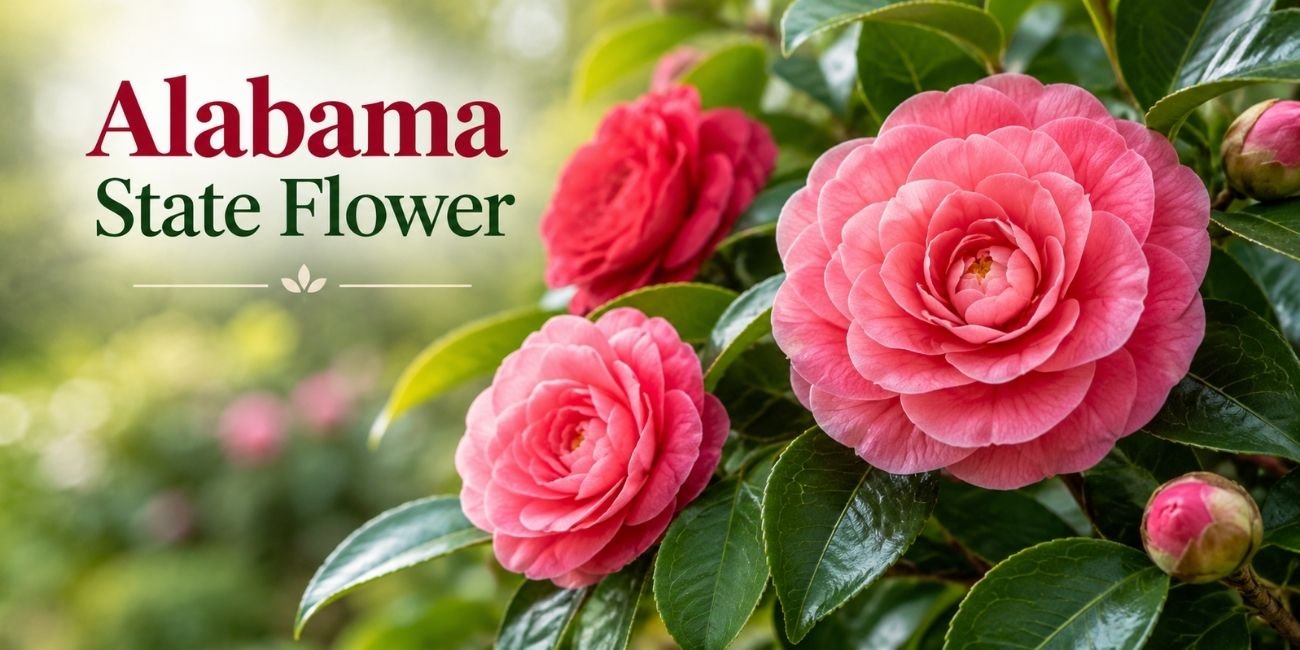
The Alabama state flower is the camellia (Camellia japonica), an evergreen flowering shrub admired for its vibrant blooms and shiny green leaves. In 1959, Alabama made the camellia its official state flower, taking over from goldenrod, which had represented the state since 1927.
In Alabama gardens, the camellia is a favorite because many types bloom in the cooler months, adding color when other plants are dormant. Although it originally comes from East Asia, it has become a familiar part of the state’s gardening culture. This article will explore Alabama State Flower, examining its plant characteristics as well as the history of its designation as an official state symbol.
What Is the State Flower of Alabama?
The state flower of Alabama is the Japanese camellia (Camellia japonica). This flower is officially recognized by Alabama law as the state’s floral symbol. Additionally, the oak-leaf hydrangea is designated as Alabama’s official state wildflower, which means both plants hold different official titles.
The Japanese camellia is part of the tea family, Theaceae. It is mainly cultivated as an ornamental shrub, with various types presenting different flower shapes and colors. These features have made it a common plant in gardens across Alabama and the southeastern region of the United States.
Key facts about Alabama’s state flower
| Feature | Details |
|---|---|
| Common name | Camellia |
| Scientific name | Camellia japonica L. |
| Plant type | Evergreen flowering shrub |
| Flower colors | Red, pink, white, and other cultivated shades |
| Year adopted | 1959 |
| Previous state flower | Goldenrod |
| Native origin | East Asia |
| State wildflower | Oak-leaf hydrangea |
The scientific name and official designation are confirmed by Alabama law.
What Does the Alabama State Flower Look Like?
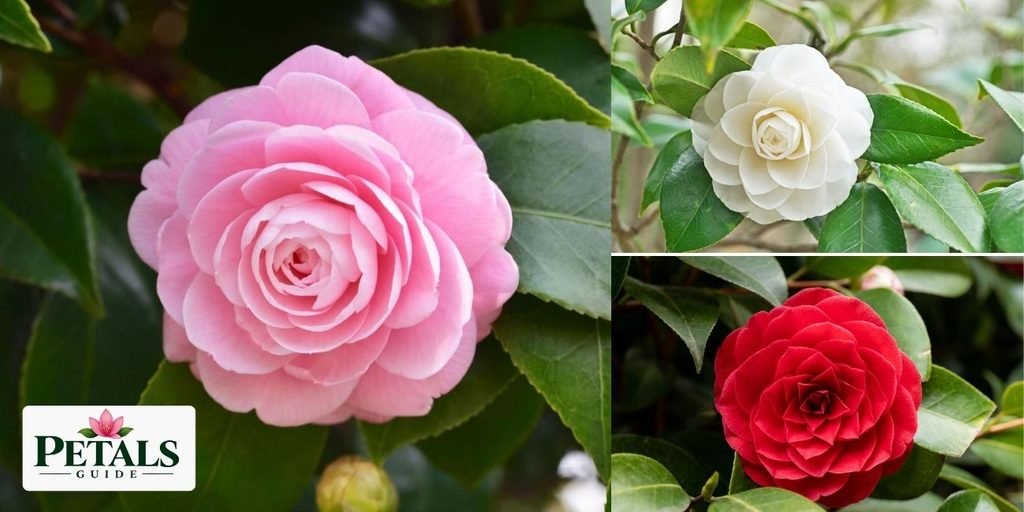
The Alabama state flower, the Japanese camellia (Camellia japonica), features beautiful blooms that are large and similar in shape to roses. These flowers can be 2 to 5 inches across and come in various colors, including white, soft pink, and rich red. Some types even have petals with fun stripes or spots, adding more personality to each flower.
The blooms differ based on their specific variety. Single camellias have a simple circle of petals around bright yellow stamens, while double camellias are fuller and more layered, resembling peonies or roses. The plants also have thick, shiny leaves that stay green all year. These oval leaves, which are pointed and have tiny notches along the edges, help make the camellia easy to spot in Alabama gardens, especially when it brightens up the landscape in winter and early spring.
Origin and History of the Alabama State Flower
In 1927, goldenrod (Solidago species) was designated as the original state flower of Alabama, known for its vibrant yellow blossoms that adorned the state’s landscapes. However, some residents, especially those in Butler County, viewed goldenrod as an ordinary wildflower or even a weed, igniting a debate about what truly represented Alabama’s floral beauty. This sentiment inspired Greenville’s camellia supporters who founded the Alabama Camellia Society in 1948. The society helped organize a campaign to replace goldenrod with the camellia, reflecting the town’s long-standing appreciation for these flowers.
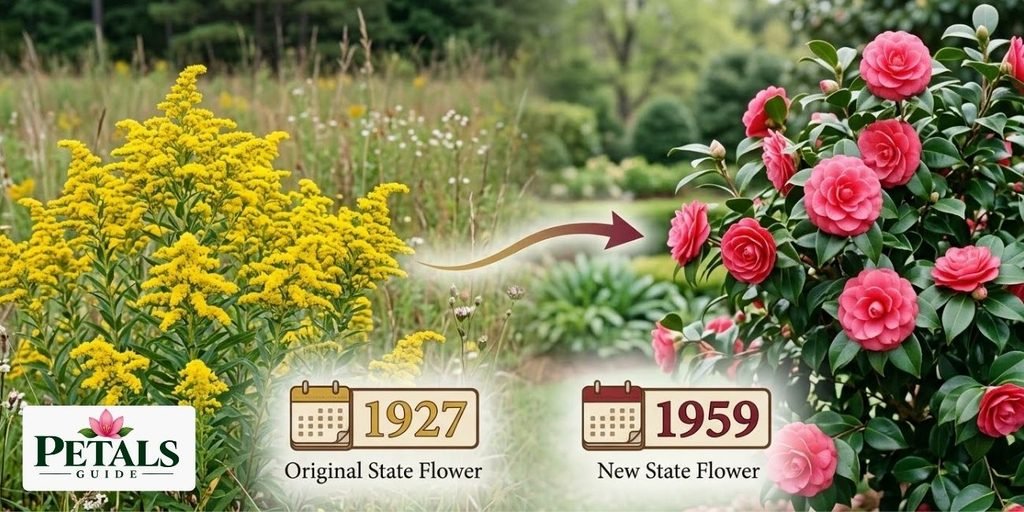
The campaign gained traction, and on August 26, 1959, Alabama’s state flower transitioned from goldenrod to the camellia. This shift was further solidified in 1999 when legislation specifically designated “Camellia japonica” as the Alabama State Flower, while also recognizing oak-leaf hydrangea as the state wildflower. This transformation reflected change in perception and a desire to celebrate a flower that profoundly resonates with Alabama’s cultural identity.
Why Is the Camellia the State Flower of Alabama?
The camellia was chosen as the Alabama state flower due to its popularity among gardeners in the South and the efforts of those who wanted it to be recognized as the state’s floral symbol. Its evergreen leaves and blooms during the cooler months made it a favored ornamental plant in Alabama and other areas of the southeastern United States.
Greenville played a key role in pushing for the state flower of Alabama. Local fans of the camellia worked hard to replace goldenrod, which some people saw as just an ordinary wildflower or weed. They highlighted the camellia’s worth as a garden plant, how easy it is to grow, and its ability to attract visitors interested in flowers and gardening.
These efforts contributed to the camellia’s official recognition in 1959 as state flower. Even though it came from East Asia, the camellia became a significant part of Alabama’s gardening culture. Its recognition also shows how local communities can impact the selection of an Alabama symbol through ongoing public support.
Alabama State Flower Meaning and Symbolism
The Camellia flower is commonly linked to love, admiration, and loyalty. Its meaning can differ based on cultural contexts and the color of the flower. Red camellias are typically associated with strong feelings and romantic love, pink camellias symbolize affection and desire, while white camellias represent purity and innocence.
As the Alabama state flower, the camellia does not have a specific symbolic meaning established by state law. Its importance comes from being Alabama’s floral symbol and its popularity in gardens throughout the South. Although it originates from East Asia, Camellia japonica has become a well-known ornamental plant in Alabama, bringing color to gardens during the cooler seasons.
Alabama State Wildflower
The oak-leaf hydrangea (Hydrangea quercifolia) is Alabama’s state wildflower. It became the official Alabama state wildflower in 1999, standing out from the camellia, which is the state’s official flower. This beautiful shrub can usually be found in Alabama’s wooded areas, along streams, or on rocky hillsides.
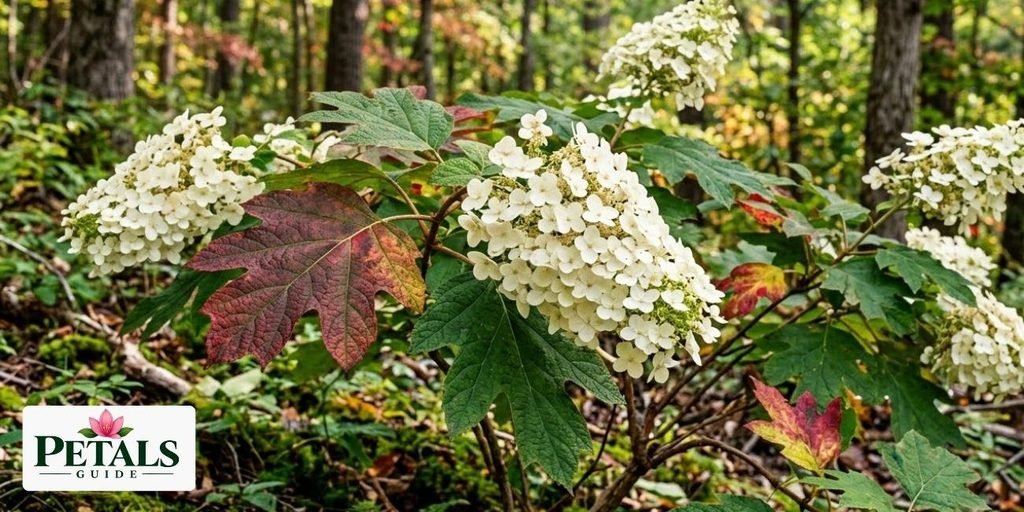
In late spring and early summer, the oak-leaf hydrangea blooms big clusters of creamy white flowers that might change to pink or purple as they age. In the fall, the leaves turn stunning colors like red and burgundy. Even during winter, the plant looks nice because of its unique, peeling, cinnamon-colored bark. Not only is it pretty, but it’s also perfect for gardens in Alabama because it likes partial shade and well-drained soil. It is a great choice if you want to make your yard feel a bit more like nature.
Where to See the State Flower of Alabama?
You can see the Alabama state flower, the camellia (Camellia japonica), in many beautiful public gardens around the state. These flowers bloom mostly from late fall through winter and into early spring, especially when the weather is mild. If you want to see a lot of camellias, check out Bellingrath Gardens and Home in Theodore, near Mobile. They have a special area called the Camellia Parterre, where you’ll find lots of different camellia flowers blooming in a lovely setting by the Gulf Coast.
Another great spot is the Mobile Botanical Gardens, which features the K. Sawada WinterGarden. This area includes beautiful camellias and shows off the region’s gardening history. If you’re in central Alabama, don’t miss the Birmingham Botanical Gardens, where the Hess Camellia Garden boasts various camellia types. Just remember to look up the blooming schedules before you go, as it can depend on the weather!
How Common Are Camellias in Alabama?
Camellias are popular ornamental shrubs in Alabama, especially in the southern parts where winters are milder. In northern Alabama, gardeners can still grow them, but they need to pick cold-hardy types that can handle cooler temperatures. The two most common types are Japanese camellia (Camellia japonica) and sasanqua camellia (Camellia sasanqua). Japanese camellias bloom from winter to early spring, while sasanqua camellias show off their flowers in fall and early winter, making it possible to enjoy their beauty for many months.
It’s interesting to note that even though camellias are loved in Alabama gardens, they aren’t actually native to the state. Both types come from East Asia, but they’ve adapted well to Alabama’s climate. Some camellia varieties can survive colder winter days, but temperatures around 26°F (−3°C) can harm their blooms.
Can you pick these Alabama Flowers?
In Alabama, you can pick camellias, the Alabama state flower, but only if they grow in your yard. If they belong to someone else, make sure to ask for permission first! The same goes for Alabama’s state wildflower, the oak-leaf hydrangea (Hydrangea quercifolia). Always remember to get the owner’s OK before picking these beautiful flowers.
When it comes to state parks, things are a bit stricter. Alabama state park rules say you’re not allowed to take flowers or damage any plants, including camellias and oak-leaf hydrangeas. This rule helps keep nature thriving in public spaces. If you want to enjoy these flowers in other parks or gardens, it’s a good idea to check their specific rules.
When Do These Alabama Flowers Bloom?
Camellias are beautiful flowers that brighten up gardens in Alabama during the cooler months. The Japanese camellia (Camellia japonica) typically blooms from winter to early spring, with flowers opening between January and March. Some types bloom earlier, while others wait until later, creating a colorful display at different times across the state. This stunning winter show is one reason why camellias are so popular in Alabama gardens.
On the other hand, the oak-leaf hydrangea (Hydrangea quercifolia), Alabama’s state wildflower, blossoms mainly in late spring and early summer. Its clusters of creamy white flowers gradually turn pink or green as they age, adding more beauty to the garden. Even in summer, you can see the dried flower heads hanging around on the plant. The blooming times for these flowers depend on the variety, local temperatures, and weather conditions, which means gardeners can enjoy different blooms throughout the year.
Growing Camellias in Alabama
Camellias thrive in many Alabama gardens when you choose the right type and plant them in the best spots. Key things to think about are when to plant, how well the soil drains, how much sunlight they get, soil acidity, and how cold it gets in winter, especially in the northern parts of the state.
When to Plant
In Alabama, the best time to plant camellias is from late fall to early spring. Planting in the fall helps roots grow strong before the summer heat arrives, while early spring is a good choice if winter is too harsh. Container-grown plants can go in the ground at other times, but you’ll need to water them carefully and protect them from extreme temperatures. Avoid planting during heavy rain or when it’s extremely hot or cold.
Where to Plant
For camellias to thrive, pick a spot with well-drained soil and plenty of space for them to grow. They don’t like standing water, which can hurt their roots, so a slightly sloping area or raised bed is ideal. Stay clear of planting right under big trees, as their roots can steal water and nutrients. A sheltered spot that’s protected from harsh winds is best, especially during freeze conditions.
Types to Plant
For Alabama gardens, two types of camellias are useful. The Japanese camellia (Camellia japonica) is known for its beautiful flowers and prefers partial shade, blooming in winter and early spring. The Sasanqua camellia (Camellia sasanqua) blooms earlier, in the fall and early winter, and can handle more sun, making it great for sunnier areas. It’s essential to pick the right variety, especially since some are more cold-hardy than others; consult the Alabama Cooperative Extension for recommendations.
Sunlight
Japanese camellias do best in partial shade, avoiding harsh afternoon sun, which can scorch their leaves. Too much shade can weaken them. Sasanqua camellias can tolerate full sun, but still need enough water during hot days. They can grow well under trees, as long as they don’t have to compete too much with the tree roots.
Soil Type and pH
Camellias need acidic, well-drained soil rich in organic material with a pH of around 5.5 to 6.5. In Alabama, soil types can differ, so it’s smart to test the soil before planting. If the ground is heavy clay or doesn’t drain well, consider a raised bed. Adding organic mulch can help keep moisture in and control soil temperature, but make sure it doesn’t touch the trunk of the shrub.
Interesting Camellia Varieties Found in Alabama
Alabama gardens are bursting with beautiful camellias in many colors and shapes. Each type has its own unique look and some are especially tied to Alabama’s gardening history.
‘Alabama Tide’ is a Japanese camellia from Theodore, Alabama. It boasts big, deep red flowers that have a mix of double and semi-double forms, showcasing its strong connection to the state. ‘Nuccio’s Gem’ has white, tightly packed blooms that grow tall and upright, offering a lovely contrast to the common reds and pinks. ‘Debutante’ blooms in light pink, featuring rounded petals that create a soft, lush appearance. ‘Alba Plena’ is an older variety with neatly arranged white petals forming formal double flowers, perfect for classic garden themes.
‘Betty Sheffield Supreme’ offers a touch of flair with its white flowers bordered in red, while ‘Pebble Hill Peppermint’ catches the eye with its unique color pattern resembling peppermint swirls. These amazing varieties show the wonderful options available to Alabama gardeners, encouraging them to explore different camellias at local nurseries.
Environmental Benefits of Camellias in Alabama’s Ecosystem
Camellias, the Alabama state flower, can make gardens nicer by providing cozy spots for birds and attracting bees and butterflies with their pretty flowers. Their shiny leaves stay green all winter, and some types even bloom when most other plants are asleep, adding color when it’s cold outside.
Even though camellias aren’t originally from Alabama, they can still help some garden animals, but they shouldn’t take the place of local plants. To really boost the health of gardens, gardeners can mix camellias with Alabama native plants. These local plants give food and homes to wildlife, especially insects that birds love to eat. By having a mix of colorful shrubs and useful native plants, gardens can provide more food and shelter all year long, benefiting both the plants and the animals that depend on them.
Other State Symbols of Alabama
Along with its official state flower, Alabama has several state symbols that reflect its wildlife, forests, and agricultural heritage. Some of the best-known Alabama state symbols are:
- State Bird – Yellowhammer: The yellowhammer, a type of woodpecker, was named Alabama’s state bird in 1927. Its nickname is also where Alabama gets its nickname, the Yellowhammer State.
- State Wildflower – Oak-Leaf Hydrangea: The oak-leaf hydrangea, known scientifically as Hydrangea quercifolia, was made the state wildflower in 1999. This beautiful plant has leaves that look like oak leaves and grows lovely clusters of white flowers.
- State Tree – Southern Longleaf Pine: In 1997, the southern longleaf pine (Pinus palustris) became Alabama’s official state tree. This tree used to cover large areas in Alabama and is still an important part of the environment.
- State Animal – Black Bear: The American black bear (Ursus americanus) became Alabama’s official state mammal in 2006, symbolizing wildlife and the natural beauty of the region.
- State Fruit – Blackberry: Blackberries were named Alabama’s official fruit in 2004. These delicious berries grow on thorny vines and are loved for their taste.
- State Tree Fruit – Peach: The peach was recognized as Alabama’s state tree fruit in 2006, showing how important growing fruit is to the state.
Conclusion
The Alabama state flower, the Camellia, truly represents the beauty of the state. This flower blooms in vibrant colors, reminding us of the natural charm found across Alabama. Its resilience and grace make it a symbol of pride for many residents. By learning about the Camellia, we can appreciate our local environment even more. Let’s take a moment to celebrate and protect our state flower!.
FAQs
Do camellias have a scent?
Most Japanese camellias (Camellia japonica), the Alabama state flower, have little or no noticeable fragrance. Some camellia species and cultivars are fragrant, so the scent depends on the type you grow.
What is the national flower of the United States?
The rose is the official national floral emblem of the United States. It received this designation in 1986. Alabama has its own state flower, the Japanese camellia (Camellia japonica), which became the official state flower of Alabama in 1959.
Is Alabama known as the Honey Bee State?
Alabama is commonly called the Yellowhammer State, not the Honey Bee State. However, the state recognizes the queen honey bee as its official agricultural insect, a designation adopted in 2015.
What flowers are found in Alabama?
Alabama features diverse native wildflowers and flowering plants such as eastern columbine, cardinal flower, butterfly milkweed, blue mistflower, and black-eyed Susan. Gardens throughout the state also cultivate camellias, azaleas, and roses. The oak-leaf hydrangea (Hydrangea quercifolia) is recognized as Alabama’s official state wildflower, while the camellia serves as the Alabama state flower.