
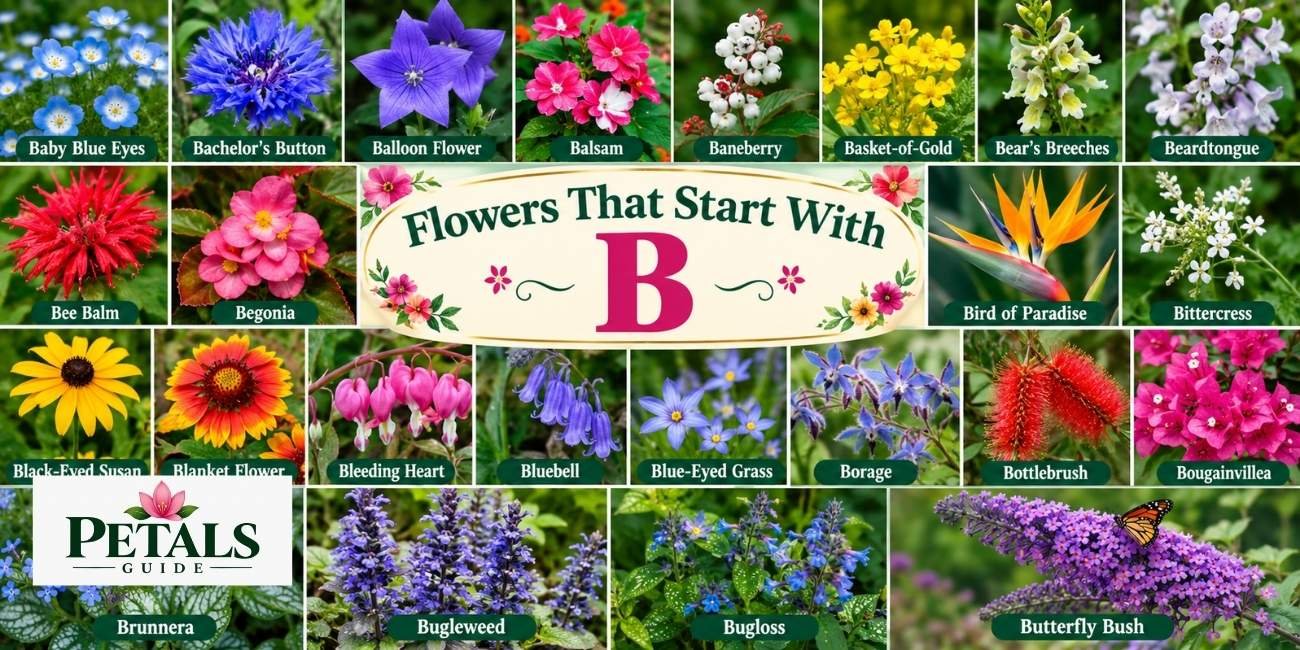
Many people overlook the magic of flowers that start with B, yet they offer incredible variety and beauty. From bold colors to intricate designs, these flowers B can elevate any garden or bouquet. In this article, we’ll delve into some extraordinary blooms you may have never seen before. Celebrate the unique charm of these b flowers and learn how to incorporate them into your floral adventures.
List of Of Flowers that start with B
Here is the list of flowers that start with b:
- Baby Blue Eyes
- Bachelor’s Button
- Balloon Flower
- Balsam
- Baneberry
- Basket-of-Gold
- Bear’s Breeches
- Beardtongue
- Bee Balm
- Begonia
- Bird of Paradise
- Bittercress
- Black-Eyed Susan
- Blanket Flower
- Bleeding Heart
- Bluebell
- Blue-Eyed Grass
- Borage
- Bottlebrush
- Bougainvillea
- Brunnera
- Bugleweed
- Bugloss
- Butterfly Bush
Why B Flowers Are Having a Quiet Moment
In gardens and floral arrangements, flowers that start with b are quietly gaining attention. Varieties like the bold bee balm and the delicate blazing star are elevating our floral experiences with their unique charm. Despite their understated presence, these flowers that begin with b are proving that beauty doesn’t always demand the spotlight.
The rise of sustainability in gardening plays a key role in their popularity. Many flowers b are hardy and attract pollinators, making them stars in eco-friendly landscaping. Gardeners are discovering that blooms like broom, with their cheerful yellow hues, offer not just aesthetics but also support local wildlife. This quiet moment for flowers that start with b embodies a shift towards more thoughtful gardening choices, highlighting how small, vibrant additions can create a lasting impact in our spaces.
Popular Flowers That Start With b
The flowers that begin with B bring unique colors and cheer to our outdoor spaces. They remind us of nature’s creativity and the joy of nurturing plants that start with the letter B. These b flowers are common, abundant and widely grown in our gardens.
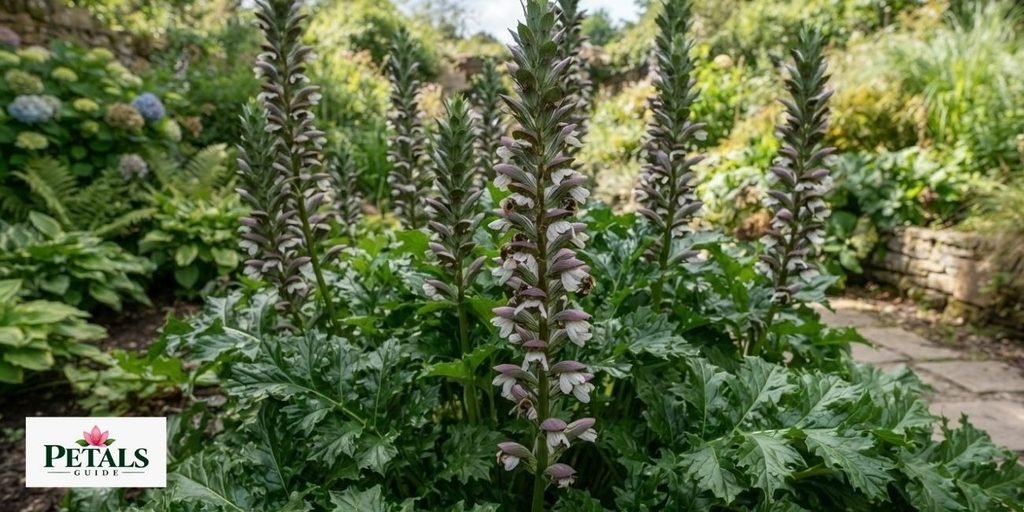
1. Bear’s Breeches
- Scientific name: Acanthus mollis
- Type of flower: Robust perennial
- Habitat: Rocky hillsides and open scrublands around the Mediterranean basin
- Colors: White to pale pink flowers protected by purplish-green hoods
- Blooming season: Late spring to mid-summer
- Growth conditions and growing zones: Full sun to dappled shade, fertile, well-drained soil; USDA Zones 6–10
- Cultural significance: Its arching, scalloped leaves inspired the famous Corinthian stone carvings atop ancient Greek and Roman columns.
- Interesting fact: The architectural flower spikes can reach up to 1.5 meters tall.
- Key to Rarity: Wild: Common around the Mediterranean.
- Cultivation: Common in temperate gardens.
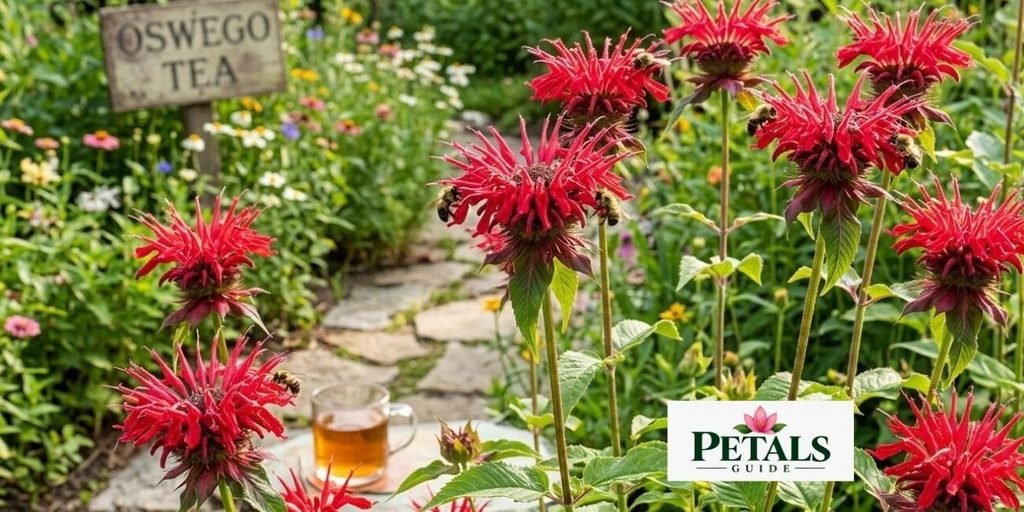
2. Bee Balm (Oswego Tea)
- Scientific name: Monarda species (such as Monarda didyma or Monarda fistulosa)
- Type of flower: Herbaceous perennial (mint family)
- Habitat: Moist meadows, stream edges, and open woodland clearings
- Colors: Scarlet, magenta, lavender, pink, and white
- Blooming season: Mid to late summer
- Growth conditions and growing zones: Full sun to partial shade; moist, fertile soil; USDA Zones 3–9
- Cultural significance: Indigenous American tribes brewed the fragrant leaves for tea, later shared with early settlers as a tea substitute.
- Interesting fact: The crown-shaped blossoms are heavily visited by bumblebees, hummingbirds, and swallowtail butterflies.
- Key to Rarity: Wild: Common across North America.
- Cultivation: Very common.
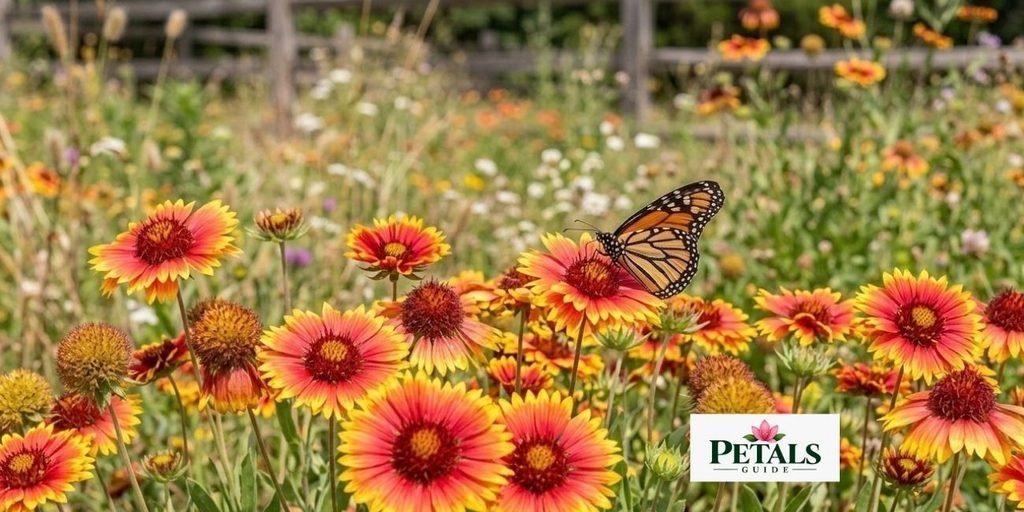
3. Blanket Flower
- Scientific name: Gaillardia species (commonly Gaillardia × grandiflora or Gaillardia pulchella)
- Type of flower: Short-lived perennial or annual wildflower
- Habitat: Sunny plains, prairies, dry meadows, and sandy shorelines
- Colors: Bands of warm red, bronze, gold, and sunny yellow
- Blooming season: Late spring through fall
- Growth conditions and growing zones: Full hot sun; poor, sandy, dry soil; USDA Zones 3–10
- Cultural significance: A favorite native North American plant for hot, water-wise landscapes
- Interesting fact: The banded rings of warm colors resemble hand-woven Indigenous blankets.
- Key to Rarity: Wild: Common across central and southern North America.
- Cultivation: Very common.
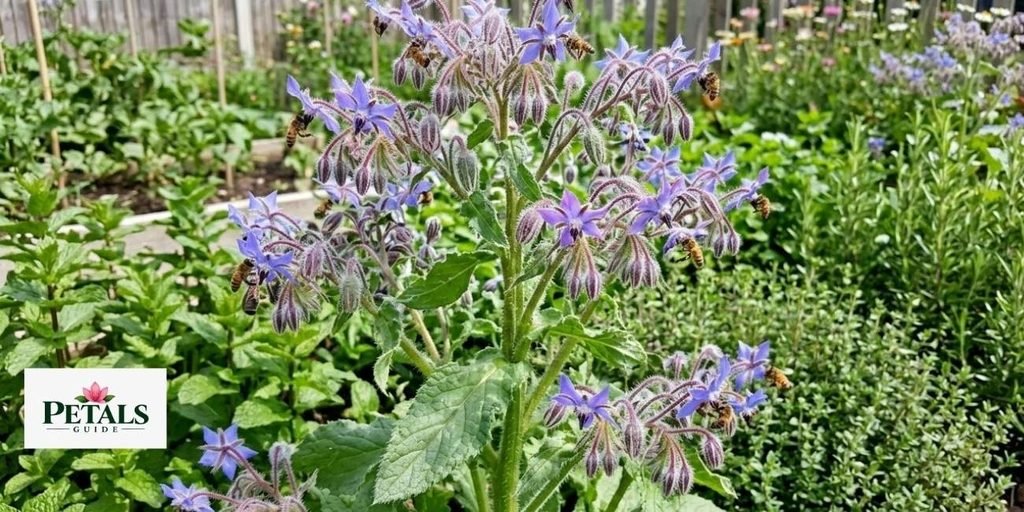
4. Borage
- Scientific name: Borago officinalis
- Type of flower: Annual culinary herb
- Habitat: Mediterranean stony hills, roadsides, waste ground, and gardens
- Colors: Vivid star-shaped azure blue (occasionally pinkish-purple)
- Blooming season: Late spring through early autumn
- Growth conditions and growing zones: Full sun to partial shade; dry to average, well-draining soil; easily grown everywhere as an annual
- Cultural significance: Grown since ancient Roman times to lift spirits and flavor summer cordials
- Interesting fact: The starry blue flowers are edible and taste just like fresh cucumber.
- Key to Rarity: Wild: Common around the Mediterranean; naturalized globally.
- Cultivation: Very common and self-seeds readily.
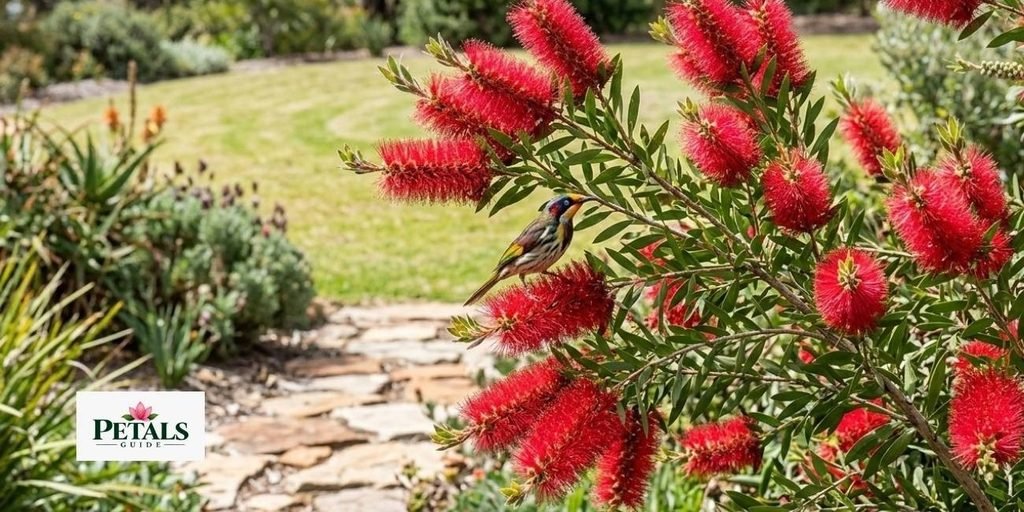
5. Bottlebrush
- Scientific name: Melaleuca species (traditionally called Callistemon)
- Type of flower: Woody evergreen shrub or small tree
- Habitat: Creek beds, swamps, and open eucalyptus forests across Australia
- Colors: Bright scarlet, crimson, pink, yellow, and creamy white
- Blooming season: Spring and summer (with sporadic blooms year-round in warm areas)
- Growth conditions and growing zones: Full sun; adaptable to moist or dry soils; USDA Zones 8–11
- Cultural significance: Australia’s most recognized ornamental export, loved by nectar-feeding birds
- Interesting fact: The bright colored brush is not made of petals, but dozens of long, pollen-tipped stamens.
- Key to Rarity: Wild: Common in eastern and southern Australia.
- Cultivation: Very common in warm regions worldwide.
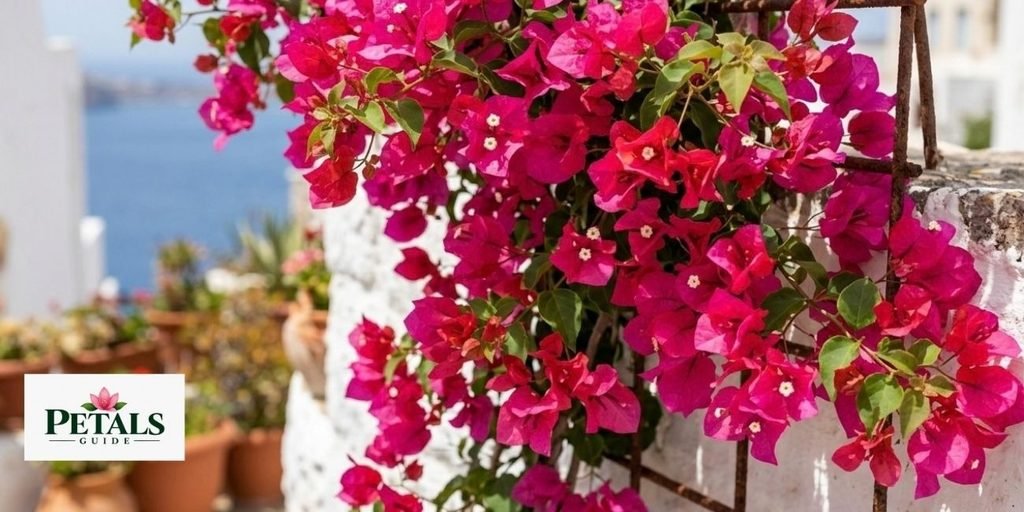
6. Bougainvillea
- Scientific name: Bougainvillea species (such as Bougainvillea spectabilis or B. glabra)
- Type of flower: Thorny woody climbing vine or sprawling shrub
- Habitat: Tropical scrub and edges of coastal rainforests in South America
- Colors: Magenta, purple, red, sunset orange, apricot, and white
- Blooming season: Spring through autumn in warm climates; intermittent year-round
- Growth conditions and growing zones: Full baking sun; dry to moderately moist, well-drained soil; USDA Zones 9–11
- Cultural significance: The classic flowering vine of Mediterranean, South Asian, and Latin American courtyards
- Interesting fact: The bright paper-thin sheets are modified leaves (bracts). The actual flower is the tiny white tubular blossom hiding in the middle.
- Key to Rarity: Wild: Native to South America.
- Cultivation: Ubiquitous across frost-free climates worldwide.
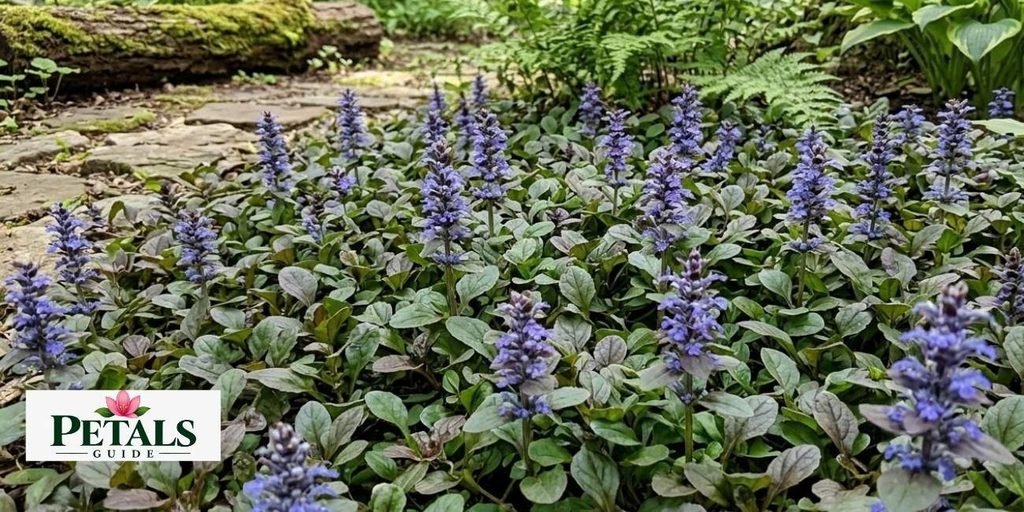
7. Bugleweed (Ajuga)
- Scientific name: Ajuga reptans
- Type of flower: Evergreen or semi-evergreen creeping perennial groundcover
- Habitat: Damp meadows, shaded clearings, and deciduous forest floors in Europe and Western Asia
- Colors: Violet-blue, pink, and white spikes over dark bronze or green leaves
- Blooming season: Mid-spring to early summer
- Growth conditions and growing zones: Partial shade to full sun; moisture-retentive, well-draining soil; USDA Zones 3–9
- Cultural significance: A dependable groundcover for crowding out weeds under shrubs and trees
- Interesting fact: It spreads swiftly across the ground using above-ground runners called stolons, just like strawberry plants do.
- Key to Rarity: Wild: Common across Europe and widely naturalized in North America.
- Cultivation: Very common.
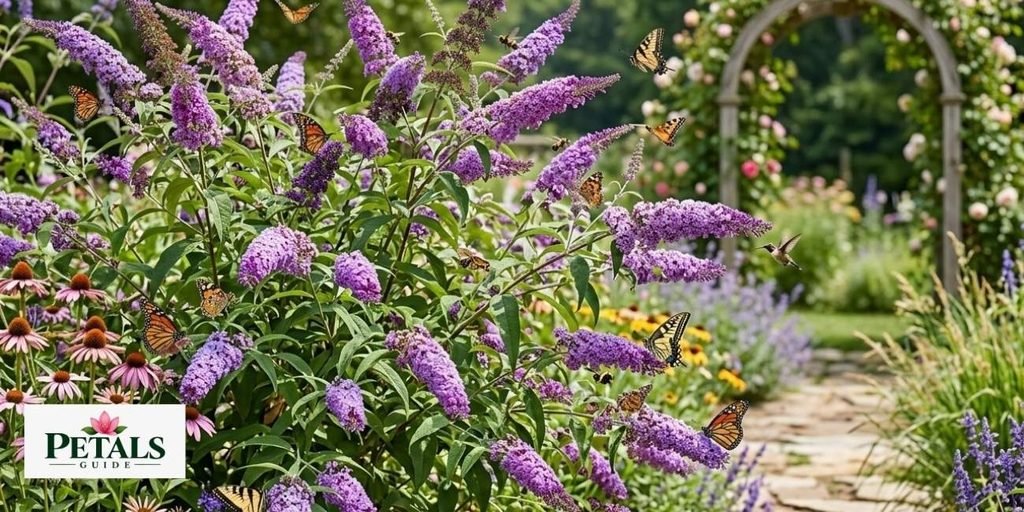
8. Butterfly Bush
- Scientific name: Buddleja davidii
- Type of flower: Deciduous to semi-evergreen woody flowering shrub
- Habitat: Rocky riverbeds, limestone slopes, and open disturbed grounds in Central China
- Colors: Lavender, royal purple, magenta, pink, and white with orange centers
- Blooming season: Mid-summer until mid-autumn
- Growth conditions and growing zones: Full sun; average, well-drained soil; USDA Zones 5–9
- Cultural significance: Widely planted to draw adult butterflies and pollinating insects
- Interesting fact: It produces honey-scented flower cones that pump out lots of nectar, but its leaves do not feed butterfly caterpillars; in many areas it is classed as an aggressive invasive plant.
- Key to Rarity: Wild / Naturalized: Native to China, but abundantly naturalized along railway tracks and waste lots worldwide.
- Cultivation: Extremely common.
2. Rare Flowers
Several flowers that start with B add a touch of magic to gardens. The Rare flowers are those whose species are localized, threatened, restricted, or declining in native wild habitats. Exploring plants that start with the letter B reveals a world of beauty that often flies under the radar, waiting to inspire those with a keen eye for the unusual.
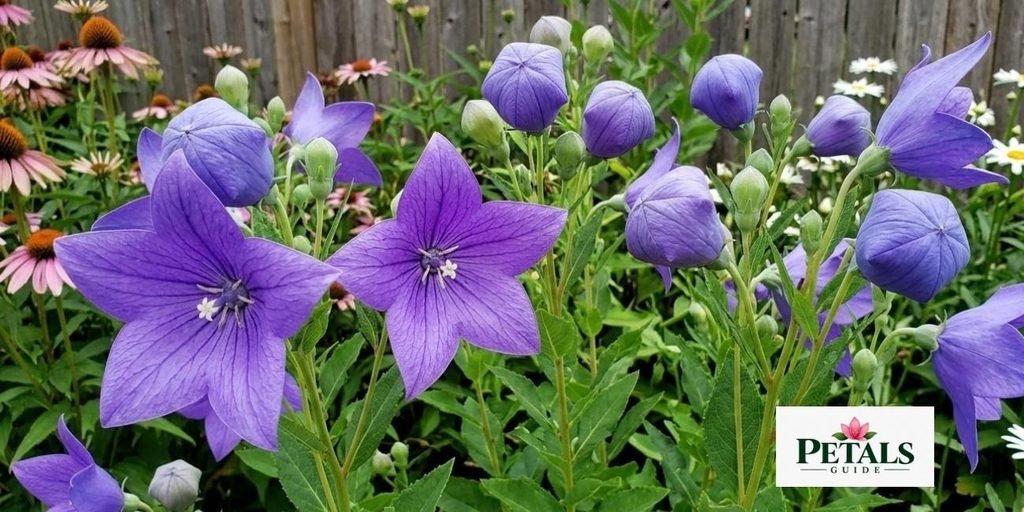
9. Balloon Flower
- Scientific name: Platycodon grandiflorus
- Type of flower: Herbaceous perennial
- Habitat: Mountain slopes and sunny meadows in East Asia
- Colors: Deep blue, violet, soft pink, and white
- Blooming season: Mid to late summer
- Growth conditions and growing zones: Full sun to partial shade; fertile, well-drained soil; USDA Zones 3–8
- Cultural significance: Used in traditional East Asian medicine and featured in Japanese heraldry
- Interesting fact: The swollen flower buds puff up like small air balloons before bursting open into star shapes.
- Key to Rarity: Wild: Uncommon across parts of its native Asian range. Cultivation: Common in garden centers
10. Basket-of-Gold
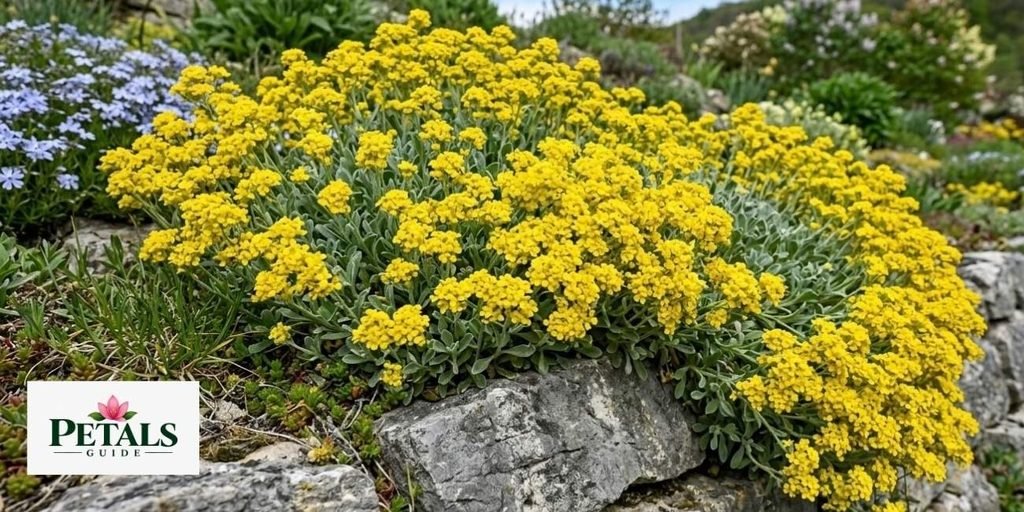
- Scientific name: Aurinia saxatilis
- Type of flower: Evergreen or semi-evergreen perennial
- Habitat: Dry rocky slopes and limestone cliffs of Central and Southeastern Europe
- Colors: Bright golden yellow
- Blooming season: Mid to late spring
- Growth conditions and growing zones: Full sun; dry, gritty, lean soil with sharp drainage; USDA Zones 3–8
- Cultural significance: A beloved staple for stone walls and rock gardens
- Interesting fact: It blankets rocky slopes in a solid sheet of gold flowers, earning its common name.
- Key to Rarity: Wild: Restricted to rocky habitats in Europe.
- Cultivation: Very common.
11. Beardtongue
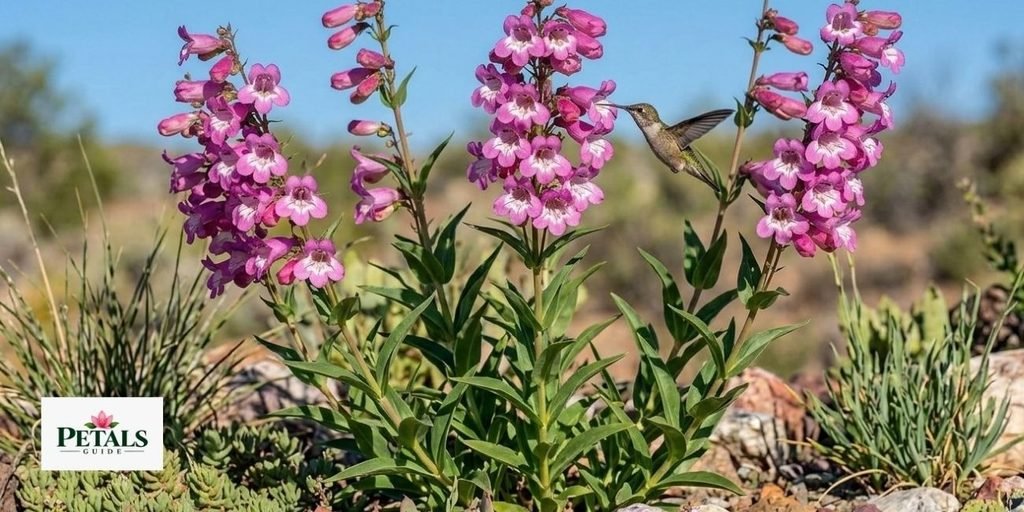
- Scientific name: Penstemon species
- Type of flower: Herbaceous perennial (some woody subshrubs)
- Habitat: Prairies, open pine forests, desert canyons, and mountain ledges
- Colors: Violet, scarlet, pink, purple, blue, and white
- Blooming season: Late spring through mid-summer
- Growth conditions and growing zones: Full sun; gritty, sharply drained soil; USDA Zones 3–9 depending on species
- Cultural significance: One of the largest wildflower genera native to North America, essential for native pollinators
- Interesting fact: The name refers to the tiny sterile stamen inside the tubular flower that is lined with fuzzy hairs like a tongue.
- Key to Rarity: Wild: Ranges widely; common species like Penstemon digitalis are abundant, while many alpine desert species are rare and endangered.
- Cultivation: Common.
12. Begonia
- Scientific name: Begonia species and hybrids
- Type of flower: Tender perennial or annual
- Habitat: Understory of warm tropical and subtropical rainforests
- Colors: Red, pink, orange, coral, white, and yellow
- Blooming season: Spring through autumn (or year-round indoors)
- Growth conditions and growing zones: Bright indirect light or shade; moist, loose, well-drained soil; USDA Zones 9–11 (grown as annuals/houseplants elsewhere)
- Cultural significance: One of the world’s most widespread potted flowers and shade bedding plants
- Interesting fact: Begonia leaves are noticeably lopsided, meaning one side of the leaf base is larger than the other.
- Key to Rarity: Wild: Many wild tropical species have tiny natural habitats and are rare or endangered.
- Cultivation: Extremely common.
13. Bird of Paradise
- Scientific name: Strelitzia reginae
- Type of flower: Evergreen tropical perennial
- Habitat: Coastal bush and riverbanks of South Africa
- Colors: Vivid orange sepals and bright blue petals protruding from a gray-green boat-like sheath
- Blooming season: Fall through spring in mild climates
- Growth conditions and growing zones: Full sun to gentle shade; rich, well-draining soil; USDA Zones 10–12
- Cultural significance: Official flower of Los Angeles and a global symbol of exotic tropical beauty
- Interesting fact: In its native South Africa, sunbirds use the stiff boat-like spathe as a perch, which opens the petals to dust their feet with pollen.
- Key to Rarity: Wild: Locally restricted to eastern South Africa.
- Cultivation: Extremely common in frost-free regions and greenhouse trades.
14. Bleeding Heart
- Scientific name: Lamprocapnos spectabilis (formerly Dicentra spectabilis)
- Type of flower: Herbaceous perennial
- Habitat: Moist, cool mountain forests of Northern China, Korea, and Eastern Russia
- Colors: Rose-pink and white, or pure white
- Blooming season: Mid to late spring
- Growth conditions and growing zones: Partial to full shade; rich, evenly moist, well-draining soil; USDA Zones 3–9
- Cultural significance: A treasured fixture of cool shade gardens and romantic cottage plots
- Interesting fact: Strings of heart-shaped pink pouches hang in neat rows from arching stems, with a white “drop” emerging at the tip.
- Key to Rarity: Wild: Uncommon and localized in its native Asian woods.
- Cultivation: Very common in temperate gardens.
15. English Bluebell
- Scientific name: Hyacinthoides non-scripta
- Type of flower: Bulbous perennial
- Habitat: Ancient broadleaf woodlands and shady hedge banks
- Colors: Violet-blue with white pollen (rarely pale pink or white)
- Blooming season: Mid to late spring
- Growth conditions and growing zones: Dappled woodland shade; moist, humus-rich soil; USDA Zones 4–9
- Cultural significance: An emblem of ancient British woods, legally protected from commercial harvesting in the UK
- Interesting fact: The flowers droop gracefully to one side of the stem, filling woodland floors with a sweet fragrance.
- Key to Rarity: Wild: Abundant in Western Europe (especially Britain), but threatened by habitat loss and cross-breeding with non-native Spanish bluebells.
- Cultivation: Common.
16. Blue-Eyed Grass
- Scientific name: Sisyrinchium species (such as Sisyrinchium angustifolium)
- Type of flower: Small herbaceous perennial
- Habitat: Open moist grasslands, meadows, forest clearings, and shoreline margins
- Colors: Sky-blue to violet-purple with a bright yellow center
- Blooming season: Spring to early summer
- Growth conditions and growing zones: Full sun to light shade; moist, well-drained soil; USDA Zones 4–9
- Cultural significance: Grown in rockeries and pollinator meadows for its delicate star-shaped blooms
- Interesting fact: Despite its narrow, grass-like leaves, it is a true member of the Iris family (Iridaceae).
- Key to Rarity: Wild: Common across most temperate North American meadows, though some localized species are rare.
- Cultivation: Readily available in native nurseries.
17. Siberian Bugloss (Brunnera)
- Scientific name: Brunnera macrophylla
- Type of flower: Small Herbaceous perennial
- Habitat: Mountain woodlands and moist shady slopes of the Caucasus and Western Asia
- Colors: Bright baby-blue with tiny yellow/white centers
- Blooming season: Mid to late spring
- Growth conditions and growing zones: Dappled to full shade; cool, evenly moist, rich soil; USDA Zones 3–8
- Cultural significance: A favorite shade foliage plant, especially silver-patterned cultivars like ‘Jack Frost’
- Interesting fact: The flowers look almost identical to true forget-me-nots, but the plant carries large, textured heart-shaped leaves.
- Key to Rarity: Wild: Restricted to the Caucasus mountains and neighbouring regions.
- Cultivation: Very common in retail shade nurseries.
18. Italian Bugloss (Alkanet)
- Scientific name: Anchusa azurea (and related Anchusa species)
- Type of flower: Biennial or short-lived perennial herb (borage family)
- Habitat: Dry fields, roadsides, pastures, and open stony ground in Southern Europe and North Africa
- Colors: Vivid ultramarine blue, frequently opening with pink or purple tones
- Blooming season: Late spring through mid-summer
- Growth conditions and growing zones: Full sun; dry to medium, well-drained, gritty soil; USDA Zones 3–8
- Cultural significance: Historically planted in herb plots and cottage borders for its rare true-blue pigment
- Interesting fact: The flower buds start out reddish-pink and shift to deep cobalt blue as the petals open and cell acidity changes.
- Key to Rarity: Wild: Common around Southern Europe and the Mediterranean basin.
- Cultivation: Uncommon to moderately available in specialty perennial nurseries.
Popular vs Rare B Letter Flowers
| Category | Popular B Flowers | Rare B Flowers |
| Familiarity | Recognized by most flower lovers and gardeners | Known mainly to collectors, botanists, or specialty growers |
| Availability | Common in nurseries, garden centers, and online stores | Usually found in specialty nurseries or specific natural habitats |
| Visual Impact | Attractive and familiar colors and shapes | Unusual forms, colors, textures, or flower structures |
| Maintenance | Generally easy to grow with a simple care routine | May require specific soil, climate, or growing conditions |
| Example Plants | Begonia, Bluebell, Buttercup | Blue Puya, Bat Flower, Boquila |
| Purpose | Popular for gardens, landscaping, bouquets, and decoration | Often grown as statement plants or valued for biodiversity |
3. White Flowers
These plants are primarily recognized or dominated by their white floral blooms.
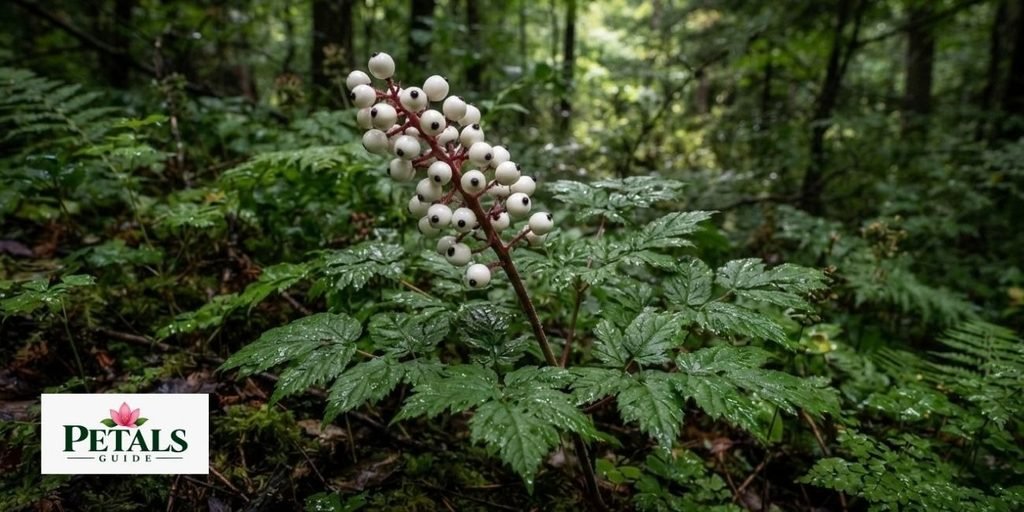
19. Baneberry (Doll’s Eyes)
- Scientific name: Actaea species (such as Actaea pachypoda or Actaea rubra)
- Type of flower: Herbaceous perennial wildflower
- Habitat: Rich, moist deciduous woods and shaded hillsides
- Colors: Fluffy white flowers, followed by bright white or red berries
- Blooming season: Late spring
- Growth conditions and growing zones: Partial to full shade; rich, moist, organic soil; USDA Zones 3–8
- Cultural significance: A staple native woodland plant featured in shade and native gardens
- Interesting fact: White baneberry fruit looks like glossy white doll eyes on red stems, but all parts—especially the berries—are toxic.
- Key to Rarity: Wild: Locally common in healthy mature forests, but rarely found outside undisturbed woods.
- Cultivation: Uncommon to specialty native nurseries.
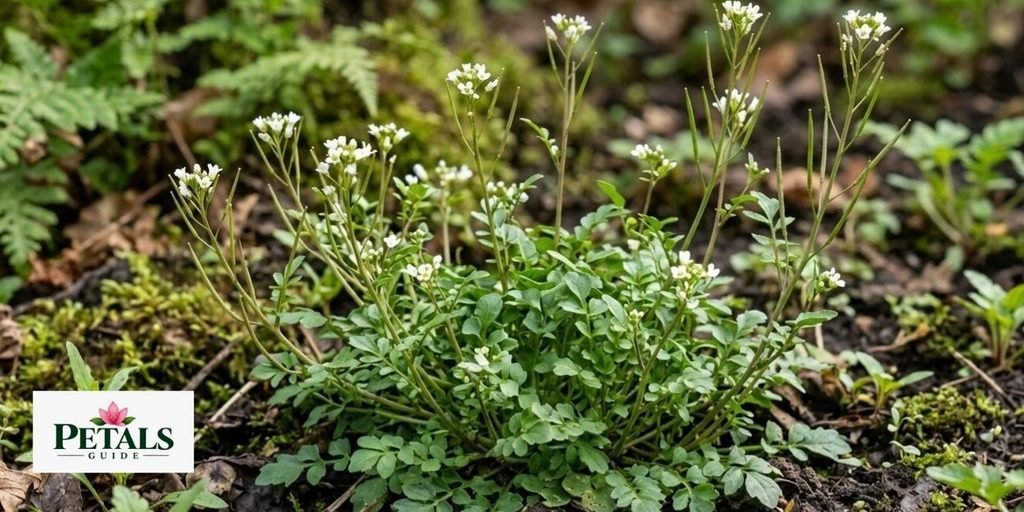
20. Bittercress
- Cultural significance: The young tender leaves are edible with a sharp, peppery watercress flavor.
- Scientific name: Cardamine species (such as Cardamine hirsuta or Cardamine pensylvanica)
- Type of flower: Annual or short-lived perennial herb (mustard family)
- Habitat: Damp garden beds, turfgrass, woodland paths, and stream margins
- Colors: Tiny white flowers
- Blooming season: Early spring through autumn
- Growth conditions and growing zones: Sun or shade; cool, moist soil; thrives in nearly all temperate zones
- Interesting fact: Touching dry seed capsules causes them to snap like springs, flinging seeds up to two meters away.
- Key to Rarity: Wild / Weedy: Extremely common and widespread. Cultivation: Rarely planted on purpose; treated mostly as a garden weed.
4. Girl Flower Names Starting With “B”
The Botanical flowers in this list double as established girls’ given names.
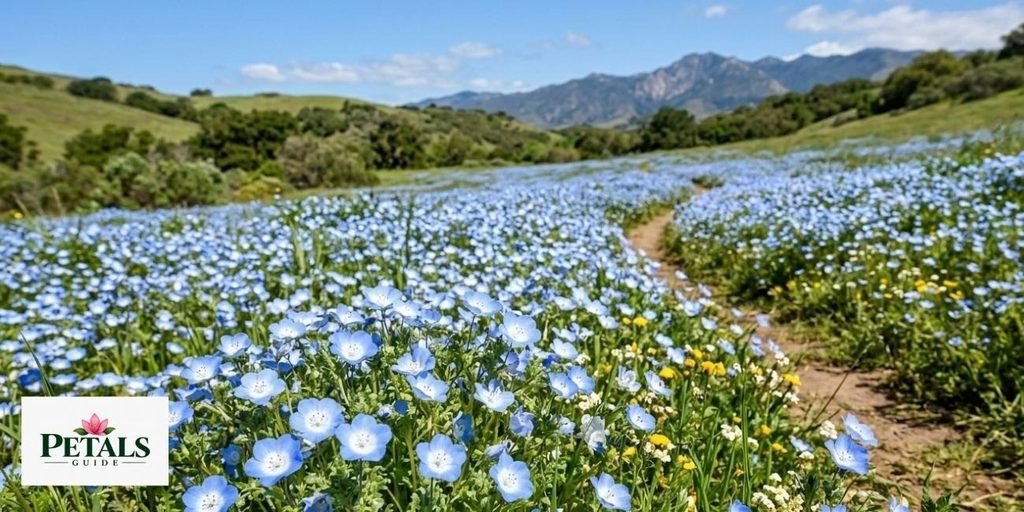
21. Baby Blue Eyes
(Given name: Baby)
- Scientific name: Nemophila menziesii
- Type of flower: Annual wildflower
- Habitat: Meadows, grassy hills, and open coastal woods
- Colors: Sky blue, pale blue, and white
- Blooming season: Spring
- Growth conditions and growing zones: Full sun to light shade; light, well-drained soil; USDA Zones 2–10
- Cultural significance: A favorite spring wildflower in California gardens
- Interesting fact: The small, cup-shaped flowers look like tiny bright blue eyes.
- Key to Rarity: Wild: Common in its native western North American range.
- Cultivation: Common and easy to grow from seed.
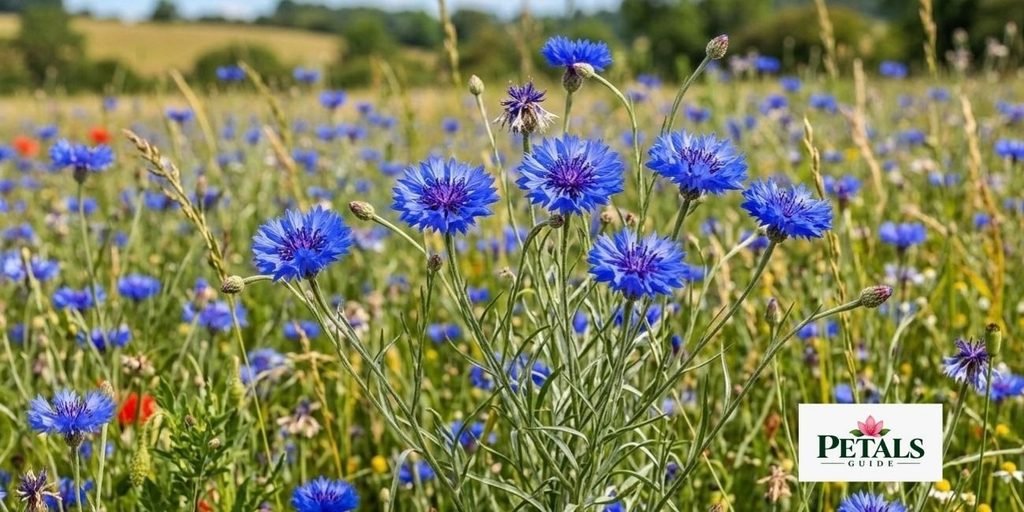
22. Bachelor’s Button (Cornflower)
(Given name: Bluebell / Button; traditional botanical namesake)
- Scientific name: Centaurea cyanus
- Type of flower: Annual flowering plant
- Habitat: Fields, roadsides, and open meadows
- Colors: Intense blue, pink, purple, white, and red
- Blooming season: Late spring through summer
- Growth conditions and growing zones: Full sun; standard, well-drained garden soil; USDA Zones 2–11
- Cultural significance: Traditionally worn by young men in love as a jacket boutonniere
- Interesting fact: Its pure blue color comes from a unique plant pigment complex called protocyanin.
- Key to Rarity: Wild: Declining in native European grain fields due to modern farming, but naturalized widely elsewhere.
- Cultivation: Very common.
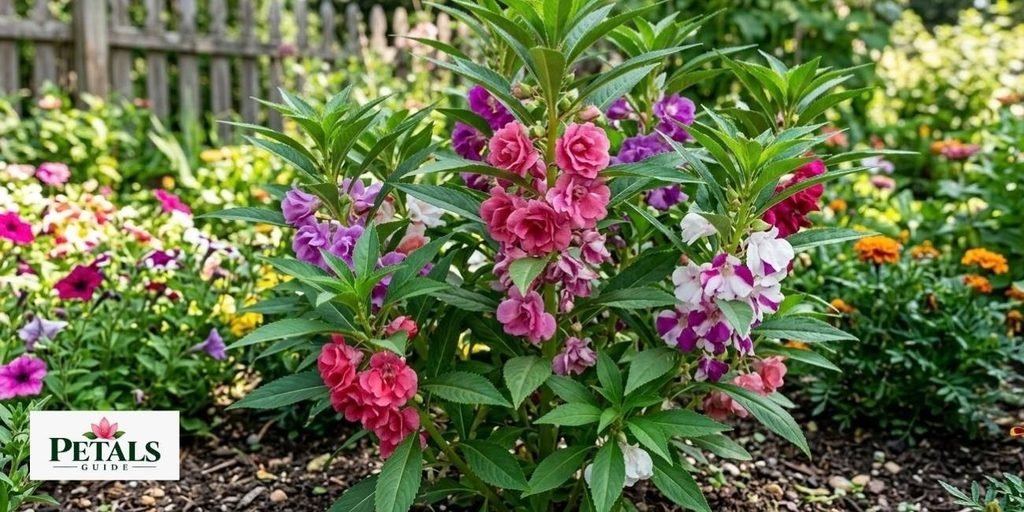
23. Garden Balsam
(Given name: Balsam)
- Scientific name: Impatiens balsamina
- Type of flower: Annual flowering plant
- Habitat: Moist stream banks, shady thickets, and warm gardens
- Colors: Pink, red, rose, purple, and white
- Blooming season: Summer until the first frost
- Growth conditions and growing zones: Partial shade to filtered sun; warm, evenly moist soil; grown as an annual in all zones
- Cultural significance: A classic cottage-garden plant long used in Asia to dye fingernails
- Interesting fact: Ripe seed pods suddenly spring open and shoot seeds away when touched.
- Key to Rarity: Wild: Native to South Asia.
- Cultivation: Common worldwide.
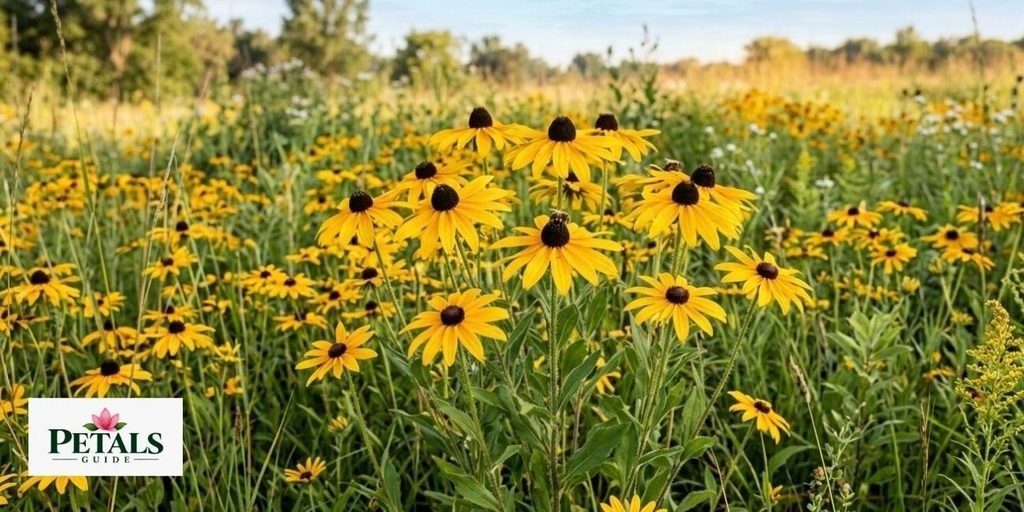
24. Black-Eyed Susan
(Given name: Susan)
- Scientific name: Rudbeckia hirta
- Type of flower: Short-lived perennial or biennial (often grown as an annual)
- Habitat: Prairies, open fields, roadsides, and meadows
- Colors: Golden yellow to deep orange-yellow with a dark chocolate cone
- Blooming season: Early summer straight through autumn
- Growth conditions and growing zones: Full sun; standard garden soil; drought tolerant; USDA Zones 3–9
- Cultural significance: Maryland’s state flower and a central symbol of American wildflower meadows
- Interesting fact: Both stems and leaves are covered in stiff, coarse hairs that deter grazing animals like deer.
- Key to Rarity: Wild: Extremely common throughout North America.
- Cultivation: Ubiquitous and widely planted.
Rarity Isn’t Always the Goal
Rarity often captures our attention, especially when it comes to flowers that start with B. However, beauty and growth in more common blooms shouldn’t be overlooked. Take the bold and vibrant Bird of Paradise; its striking colors can brighten any garden, showcasing that popular flowers have their own magic.
Even familiar favorites like the cheerful Begonia can bring joy and warmth, thriving in a variety of environments. The allure of flowers that start with the letter B isn’t just in their rarity, but in their ability to connect us with nature and evoke memories. Sometimes, the flowers we see every day can hold the most profound beauty in their simplicity.
How to Use B Flowers in a Cohesive Garden Design
- Integrating flowers that start with B can add a dynamic flair to your garden. Varieties like borage and blanket flowers bring vibrant colors that can spark joy throughout the seasons.
- Pairing these flowers b with contrasting hues creates visual depth. For instance, combining blue borage with the sunny yellow of black-eyed Susans forms a lively palette that draws the eye and invites exploration.
- Layering different heights and textures enhances the overall design. Keeping bold flowers starting with B like bee balm at the back allows shorter blooms, like blooming thyme, to shine in front, ensuring every plant gets its moment.
Final Thoughts
Discovering flowers that start with B opens up a world of beauty right in your backyard. These lesser-known varieties can add unique touches to your garden. Each flower has a story and a purpose, making them worth knowing. Embrace the adventure of planting something different, and watch your garden come to life. Start your floral journey today.
Want to explore more flowers? Check out our A to Z flower lists, seasonal favorites, rare plants, and beautiful national flowers from around the world.
- 15 Stunning Flowers That Start With K
- 20 Beautiful Flowers That Start With A
- 25 Spectacular Pink and Purple Flowers
- National Flower of Sri Lanka: Blue Water Lily
FAQs
1. What flowers start with the letter “B”?
Flowers like Bluebell, Begonia, and Bellflower start with “B.” They each have their own unique beauty and charm.
2. Which flower is B?
“B” can refer to many flowers, but one of the most popular is the Begonia. They come in many colors and shapes, making them quite lovely.
3. What are the 10 most beautiful flowers?
Some of the most beautiful flowers include roses, orchids, tulips, and lilies. Each brings a special touch to gardens and bouquets.
4. What is the prettiest flower name for a girl?
Names like Rose or Lily are often considered pretty for girls. They’re sweet and simple, just like the flowers themselves.
5. What flowers start with b that have spots?
There are a few flowers that fit this description. You might find “blotched begonias” or “bicolor caladiums.” They have lovely spots and can brighten up any garden. Exploring local nurseries can help you spot these beauties.