
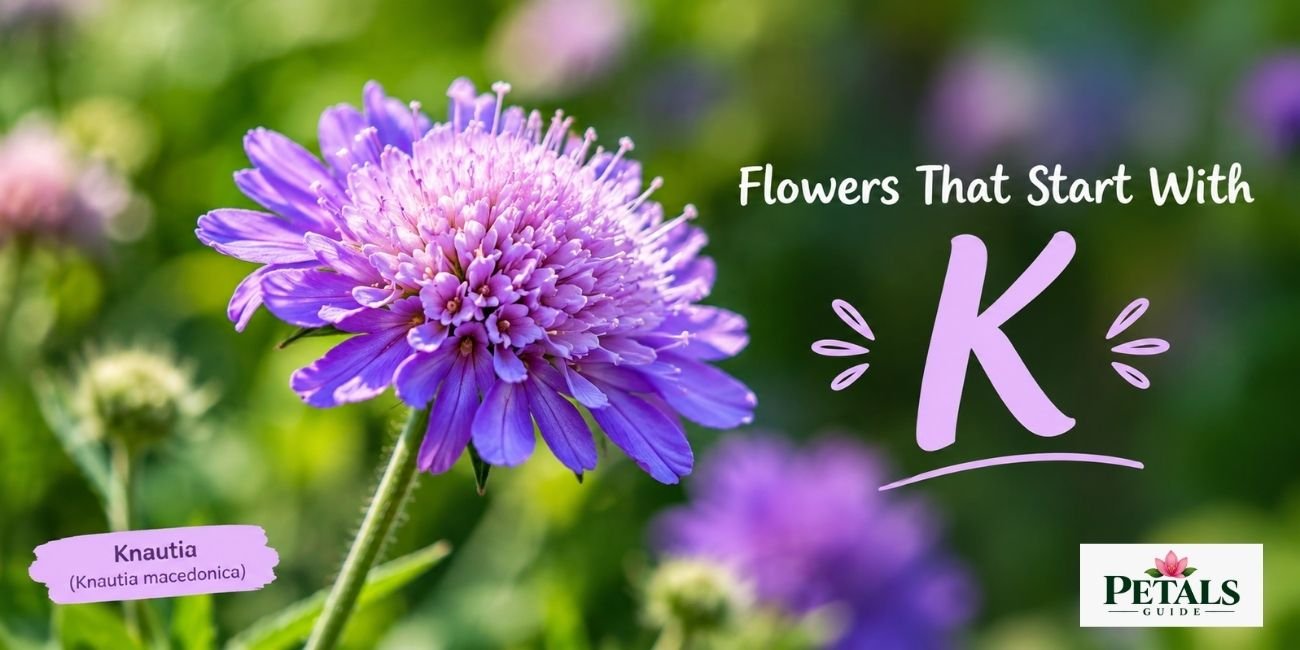
Flowers are a key part of our world, but so many of them go unnoticed, especially those that start with K. This article dives into 15 fascinating flowers that you may have never heard of before. Discovering these flowers will not only enhance your knowledge but may also spark new ideas for your garden or floral arrangements. Get ready to be surprised by the hidden gems of the floral kingdom.
Popular K Flowers You See Everywhere
K flowers have a unique charm, making them a favorite in floral arrangements and gardens alike. Here are a few that stand out and catch our eye.
- Kalanchoe: This succulent is not just hardy but also bursts with vibrant colors. Its fleshy leaves and colorful blooms can brighten up any space, making it a popular choice for indoor gardening.
- Knautia: Known for its whimsical, thistle-like flowers, Knautia brings a playful essence to wildflower gardens. Its adaptability allows it to thrive in various conditions, adding a splash of purple or pink wherever it grows.
- Kerria: With its sunny yellow blooms, Kerria brightens spring gardens effortlessly. This bushy plant is a reminder that even in the most subtle corners, color can flourish and invigorate.
These K flowers remind us of the beauty that can thrive in our gardens and homes, adding a touch of life to our everyday surroundings. Each flower brings something special, making them more than just a pretty face in the floral world.
15 Flowers That Start With K You’ve Never Heard Of
Here is the List of names of flowers that start with k . They are ideal for collectors, plant lovers, and anyone looking to create a truly distinctive garden.
- Kelkiewyn (Geissorhiza eurystigma)
- Kanawao (Broussaisia arguta)
- Koki’o (Kokia drynarioides)
- Katstert (Bulbinella nutans)
- Kopsia (Kopsia fruticosa)
- Kadupul (Epiphyllum oxypetalum)
- Kiss-Me-Over-the-Garden-Gate (Persicaria orientalis)
- King’s Mantle (Thunbergia erecta)
- Kunzea (Kunzea baxteri)
- Kirengeshoma (Kirengeshoma palmata)
- Kitaibelia (Kitaibelia vitifolia)
- Knautia (Knautia macedonica)
- Korolkowia (Korolkowia sewerzowii)
- Kosteletzkya (Kosteletzkya virginica)
- Kigelia (Kigelia africana)
Now let’s explore all of these to know what makes each one special among the beautiful flowers that start with k.
1. Kelkiewyn
Scientific Name: Geissorhiza eurystigma
Class: Magnoliopsida (Flowering plants)
Season: Spring (typically blooms from August to September)
Native Country: South Africa
Kelkiewyn is a beautiful flower that might not be on everyone’s radar, but it deserves a spotlight. Known for its delicate petals and vibrant colors, this bloom adds a unique charm to gardens and floral arrangements. Unlike more common flowers, the Kelkiewyn has a certain elegance that blends beautifully with both wildflower meadows and manicured landscapes.Its image is rare u can find it at SNABI
These flowers that start with K are often associated with resilience, as they thrive in various conditions. Gardeners appreciate their low maintenance nature, making them perfect for busy lives. Beyond their visual appeal, Kelkiewyn flowers can also attract butterflies and bees, playing a vital role in supporting local ecosystems. Their subtle fragrance adds an extra layer of allure, inviting visitors to linger and admire their beauty.
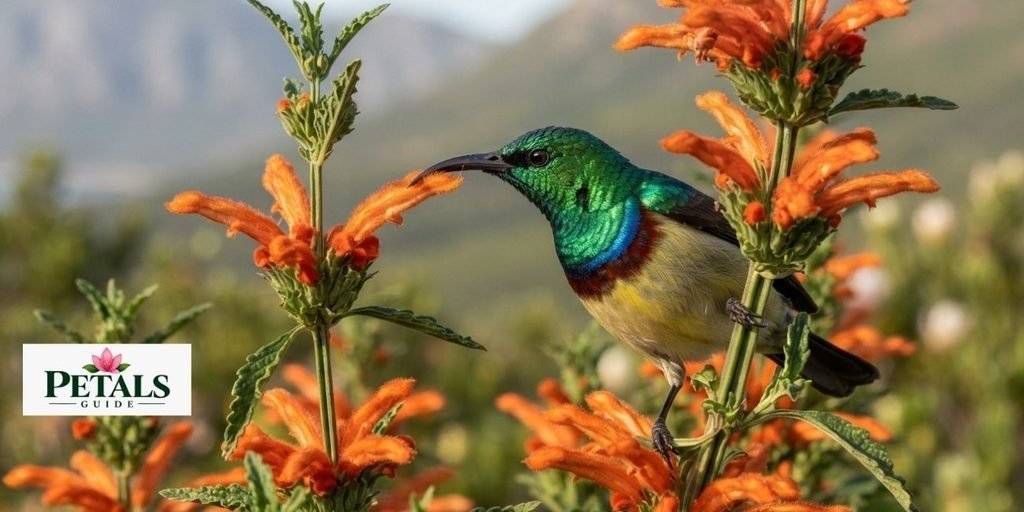
In a world filled with popular and well-known blooms, discovering flowers that start with the letter K offers a fresh perspective. Kelkiewyn stands out, not just for its striking appearance but also for the joy it brings to any garden. Bringing Kelkiewyn into your space not only enhances your surroundings but also celebrates the simple wonders found in nature.
2. Kanawao
Scientific Name: Broussaisia arguta
Class: Magnoliopsida (Flowering plants)
Season: Spring to summer( generally flowering from April to July)
Native Country: United States (Hawaii)
Kanawao is a unique flower that thrives in the lush landscapes of Hawaii. This beautiful bloom, part of the euphorbia family, showcases bright green foliage and delicate yellow flowers. As you wander through the islands, the sight of kanawao can be enchanting, reminding you of the rich biodiversity that defines Hawaiian plant life. These flowers not only add splashes of color but also play a vital role in their ecosystems, attracting various pollinators.
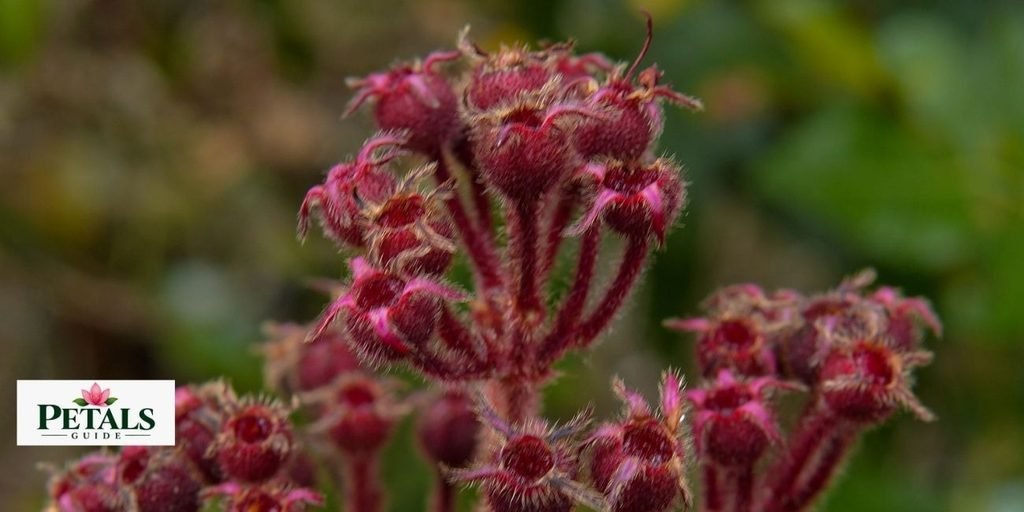
Beyond their beauty, kanawao flowers have cultural significance too. Traditionally, they have been used in ceremonies and celebrated for their resilience in adapting to harsh environments. Exploring flowers that start with K leads us to appreciate not just their aesthetic charm, but also their importance in heritage and nature. In a world increasingly focused on conservation, understanding plants that start with K, like kanawao, encourages a deeper connection to the environment and the stories it holds.
3. Kokiʻo
Scientific Name: Kokia drynarioides
Class: Magnoliopsida (Flowering plants)
Season: Year-round
Native Country: United States (Hawaii)
Kokiʻo, or Kokia drynarioides, is one of the breathtaking flowers that start with K. This stunning plant is native to Hawaii, thriving in its lush environment. Kokiʻo’s vibrant, red petals catch the eye and are a real treat for anyone fortunate enough to see them. Beyond their beauty, these flowers have an interesting backstory as they symbolize the resilience of Hawaiian flora.
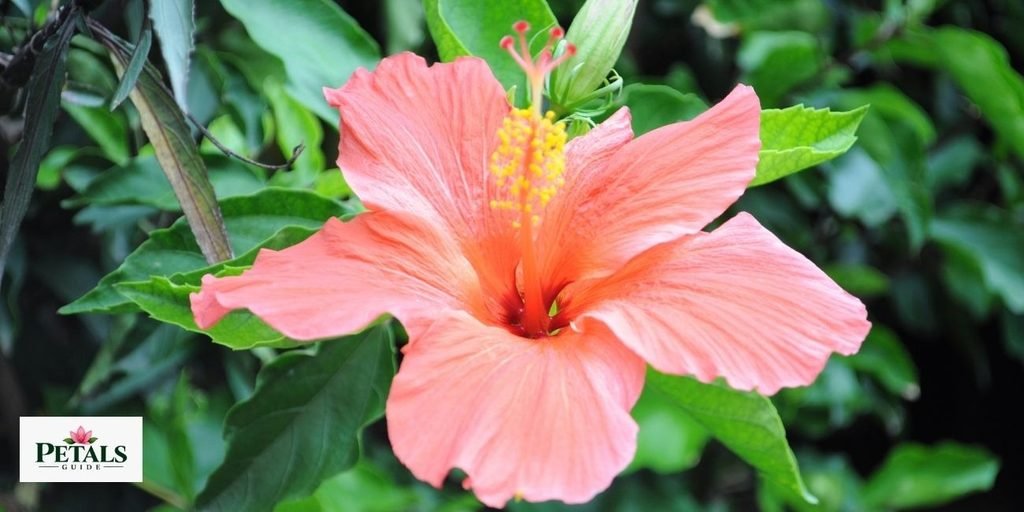
Its rare status makes the Koki`o truly unique. This flower is not just beautiful, it also tells a story of conservation efforts. With only a few hundred plants left in the wild, conservationists work hard to protect and nurture these flowers that start with the letter K. Their survival reflects the delicate balance of nature and the importance of preserving biodiversity. Embracing Kokiʻo is like connecting with a piece of Hawaii’s rich cultural heritage, making them more than just petals on a plant.
4. Katstert
Scientific Name: Bulbinella nutans
Class: Liliopsida (Monocotyledons)
Season: Spring( generally flowers from September to November)
Native Country: South Africa
Katstert, also known as Bulbinella nutans, is a stunning flower that starts with K. Found mainly in the southern regions of Africa, this flower delights the eye with its vibrant yellow and orange blooms. Growing in clumps, each stalk can reach impressive heights, making it a remarkable addition to gardens and landscapes. Its unique, tube-like shape invites various pollinators, including bees and birds, creating a lively scene wherever it grows.
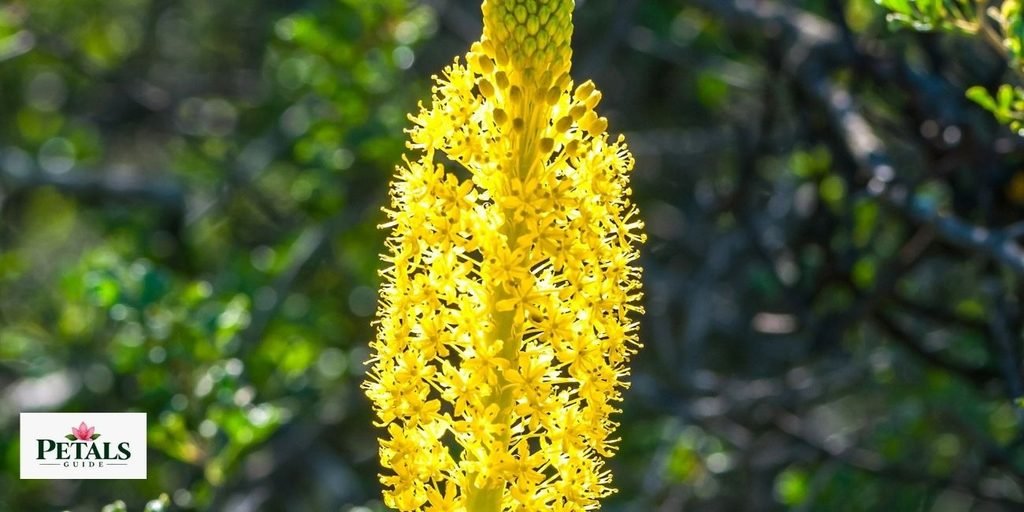
These flowers thrive in well-drained soil and require plenty of sunlight, showcasing their resilience and adaptability. Aside from their beauty, Katstert has been used in traditional practices for medicinal purposes, highlighting the connection between nature and wellness. Embracing a garden filled with flowers that start with the letter K, like Katstert, not only adds color but also enriches the ecosystem, attracting wildlife and supporting local biodiversity. This flower embodies the charm of nature and the joy it brings to our lives.
5. Kopsia
Scientific Name: Kopsia fruticosa
Class: Magnoliopsida (Dicotyledons)
Season: Year-round
Native Country: Southeast Asia
Kopsia is a charming flower that starts with the letter K, often celebrated for its delicate beauty and vibrant colors. Native to tropical regions, these flowers showcase a lovely combination of pinks, whites, and purples, making them a feast for the eyes. Their glossy leaves add an extra layer of allure, enhancing any garden or landscape where they flourish.
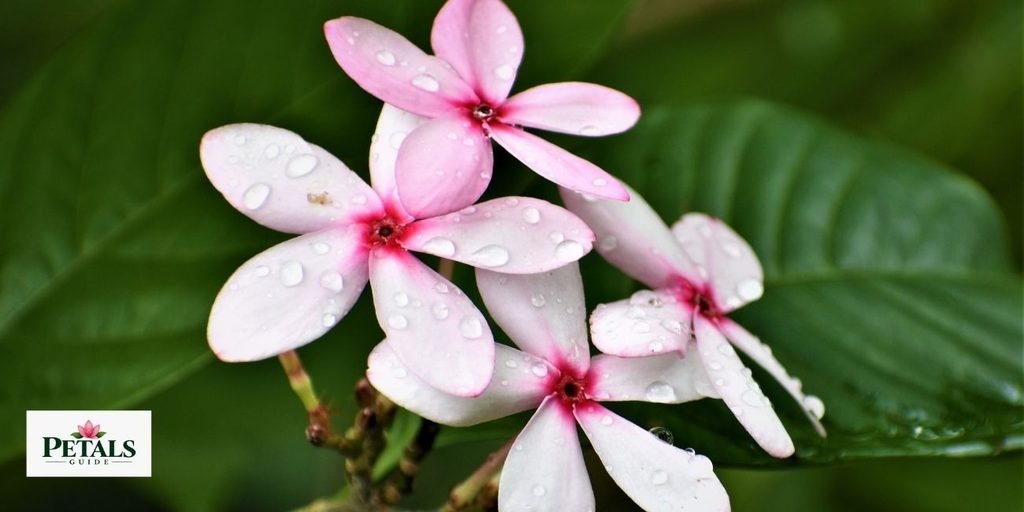
These blooms are not just pretty faces, they carry an air of cultural significance in some regions. In certain parts of Southeast Asia, Kopsia is used in traditional medicine, believed to possess properties that promote healing. This dual purpose makes them even more special, intertwining beauty and practicality in one lovely package. Whether planted in a garden or enjoyed in a bouquet, flowers that start with K, like Kopsia, remind us of the simple joys in nature.
6. Kadupul
Scientific Name: Epiphyllum oxypetalum
Class: Magnoliopsida (Dicotyledons)
Season: Summer to early autumn
Native Country: Sri Lanka
Kadupul, a flower that starts with k, is a true marvel of nature. Known for its stunning beauty and enchanting fragrance, this rare bloom is native to Sri Lanka. What sets Kadupul apart is its unique lifecycle. The flower only blooms at night and wilts before dawn, making its fleeting appearance all the more special. For those lucky enough to catch a glimpse, the experience can feel surreal, almost like witnessing a moment of magic in the garden.
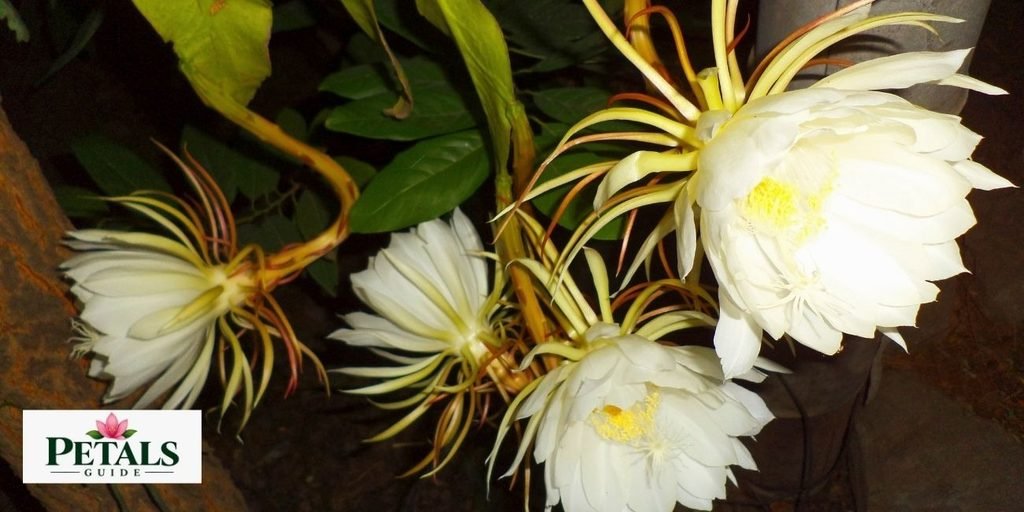
This captivating flower is often linked to love and represents the ephemeral nature of beauty. Imagine a flower that unfolds under the moonlight, releasing its sweet scent into the night air, drawing in nocturnal pollinators. The Kadupul reminds us that some of life’s treasures are temporary, urging us to savor each passing moment. As you explore flowers that start with k, keep an eye out for this exquisite gem that embodies a poetic dance of nature.
7. Kiss-Me-Over-the-Garden-Gate
Scientific Name: Persicaria orientalis
Class: Magnoliopsida (Dicotyledons)
Season: Summer to early autumn (usually blooms from July to October)
Native Country: Australia and Asia
Kiss-Me-Over-the-Garden-Gate is one of those enchanting plants that make you pause and admire. With its long, arching stems draped in delicate, pinkish flowers, it brings a whimsical charm to any garden. These blooms, which can sway gently in the breeze, remind us of carefree summer days and the simple beauty of nature. This unique plant not only adds vibrant color but is also a reminder of the joys of exploration in our outdoor spaces.
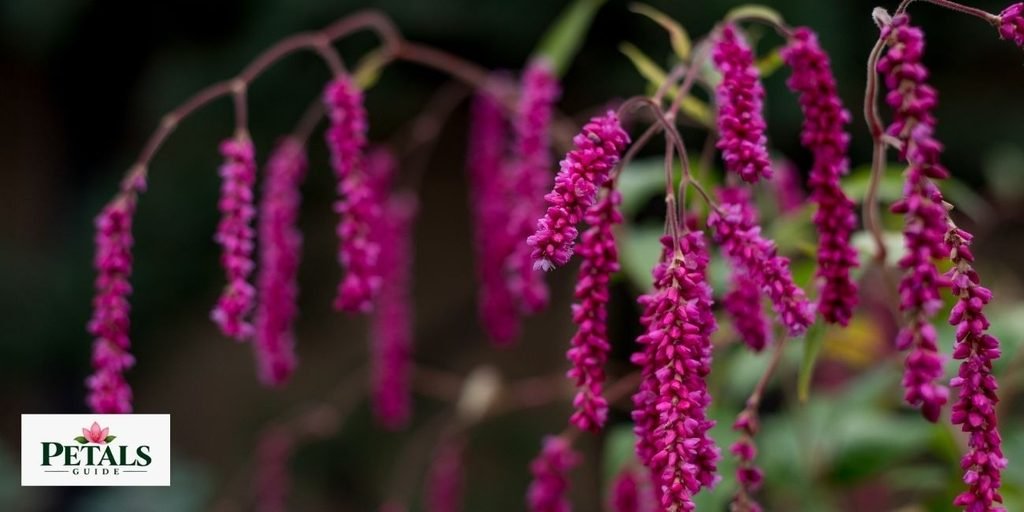
When considering flowers that start with k, Kiss-Me-Over-the-Garden-Gate stands out due to its playful name and delightful appearance. It grows tall and can create a natural border or a stunning backdrop to other blooms. Beyond its beauty, this plant attracts butterflies and bees, enriching the garden ecosystem. The next time you think of plants that start with k, let this charming flower inspire you to add a touch of whimsy and joy to your own garden.
8. King’s Mantle
Scientific Name: Thunbergia erecta
Class: Magnoliopsida (Dicotyledons)
Season: Year-round
Native Country: Tropical West Africa
King’s Mantle is a striking flower that adds a splash of color to any garden. Known scientifically as Thunbergia erecta, this vibrant bloom showcases beautiful purple petals, often deepening to rich hues at the center. Its lush green foliage provides an appealing backdrop, making the flowers stand out even more. These blooms can climb, creating a stunning display of cascading colors that can transform trellises or fences into living art.
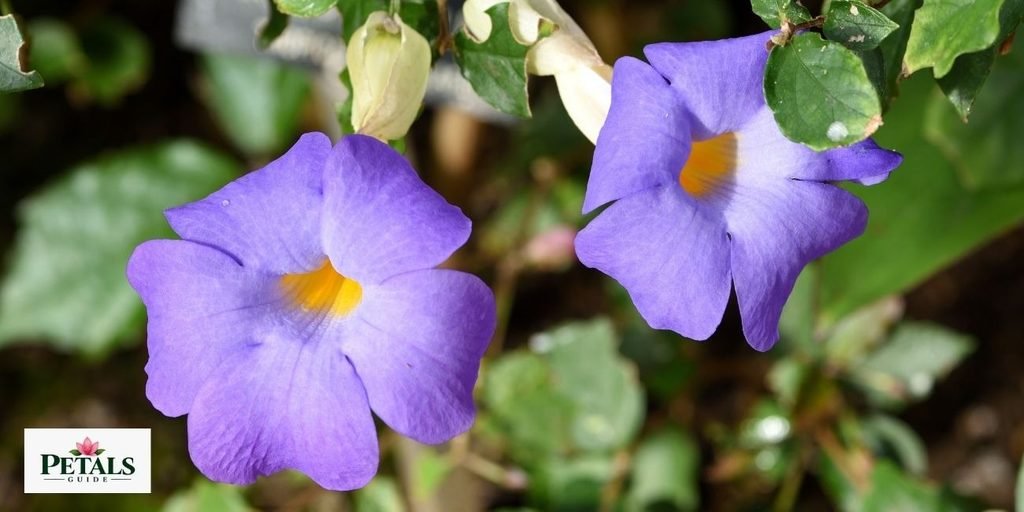
Beyond its aesthetic charm, King’s Mantle is also loved for attracting pollinators. Bees and butterflies are drawn to its nectar, making it a favorite among gardeners looking to support local wildlife. Moreover, with proper care, this hardy plant thrives in many climates, adapting well to various soil types. For those exploring flowers that start with k, King’s Mantle holds a special place, combining beauty, function, and a touch of whimsy that makes any outdoor space feel alive.
9. Kunzea
Scientific Name: Kunzea baxteri
Class: Magnoliopsida (Dicotyledons)
Season: Spring to summer
Native Country: Australia and New Zealand
Kunzea, often overlooked, is a vibrant option among flowers that start with K. These resilient blooms add a splash of color to gardens with their stunning clusters, attracting bees and butterflies. They thrive in various conditions, making them a wonderful choice for any gardener seeking annual flowers that start with K.
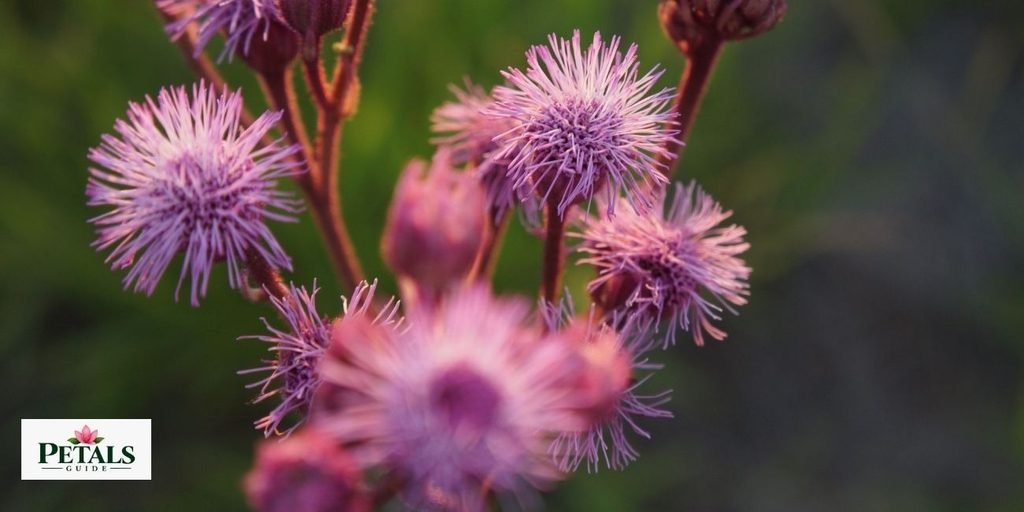
With their delicate petals and aromatic foliage, Kunzea brings both beauty and fragrance, enhancing outdoor spaces in unique ways. Their adaptability and low maintenance needs invite even novice gardeners to enjoy the rewards of a flourishing landscape. Embracing Kunzea not only enriches your garden but also supports local ecosystems, a win-win for both beauty and nature.
10. Kirengeshoma
Scientific Name: Kirengeshoma palmata
Class: Magnoliopsida (Dicotyledons)
Season: Summer to early autumn
Native Country: China and Japan
Kirengeshoma, a plant often overlooked, showcases beautiful flowers that start with K. Its elegant yellow blooms mimic delicate lanterns, brightening shady gardens and woodland areas. The unique shape and vibrant color pair well with greens, creating a stunning contrast that draws the eye.
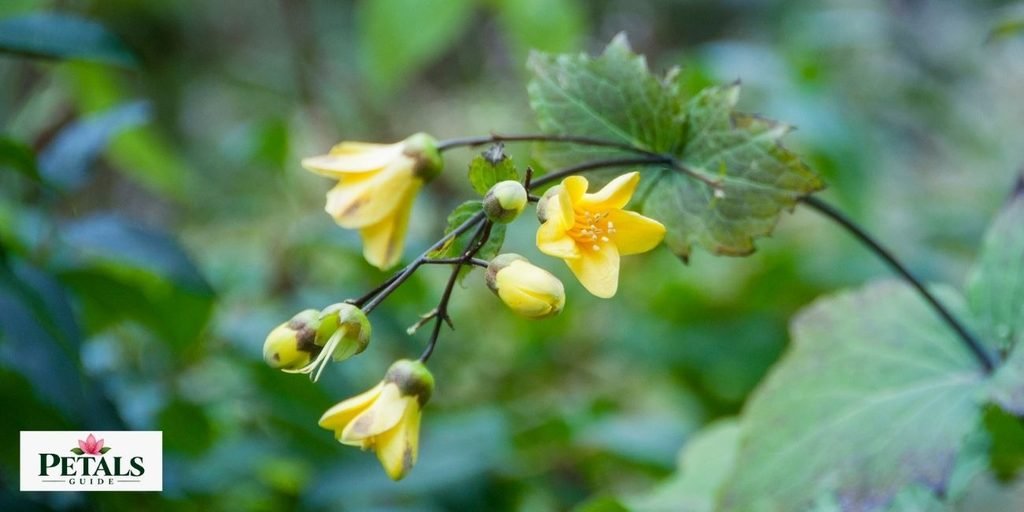
These flowers thrive in cooler climates and prefer moist, well-drained soil, making them ideal for those elusive spots in your garden. They not only bring beauty but also attract various pollinators, adding life to your outdoor space. Embracing Kirengeshoma means celebrating one of nature’s hidden gems among flowers that start with K.
Kitaibelia
Scientific Name: Kitaibelia vitifolia
Class: Equisetopsida
Season: Summer to early autumn
Native Country/Region: Western Balkan Peninsula
Kitaibelia flowers, with their delicate charm, are a lesser-known treasure in the floral world. One standout is the Kitaibelia vitifolia, which showcases stunning, heart-shaped leaves and vibrant pink blooms that dance in the breeze. This unique plant not only brightens gardens but also attracts various pollinators, playing a vital role in the ecosystem.
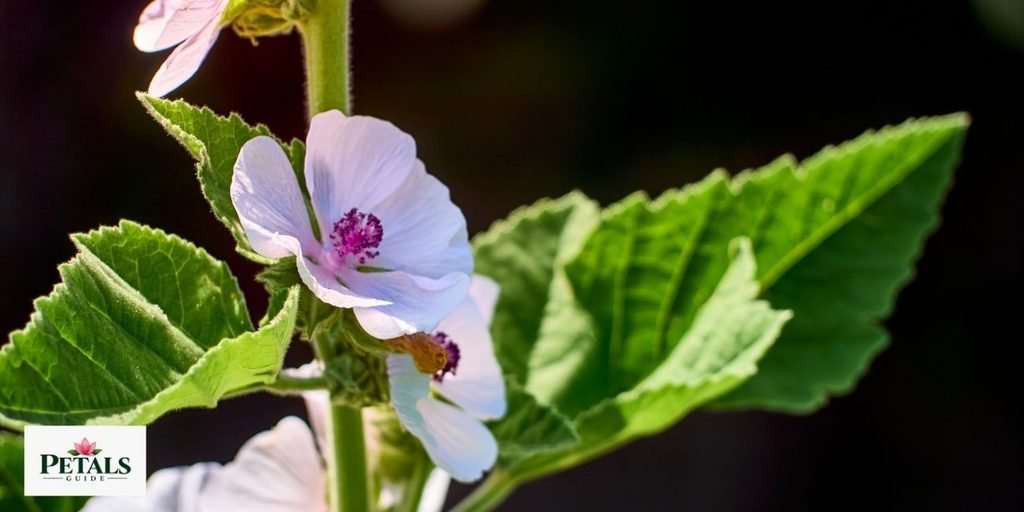
For those curious about flowers beginning with K, other delightful names include the charming Knautia and the lovely Kniphofia. Each of these adds a splash of color and diversity to any garden. Their distinctive shapes and hues offer a beautiful contrast, inviting both gardeners and passersby to pause and appreciate their beauty. This floral diversity reminds us of the wonders that nature has to offer.
12. Knautia
Scientific Name: Knautia macedonica
Class: Equisetopsida
Season: Summer
Native Country: Europe to Siberia and Central Asia
Knautia flowers, a lesser-known treasure in the botanical world, captivate with their unique charm. These hardy blooms, often seen in wildflower gardens, sport delicate, tufted heads that add texture and color to any landscape. Growing primarily in shades of purple and pink, Knautia stands out as a resilient option for gardeners looking to attract pollinators like bees and butterflies.
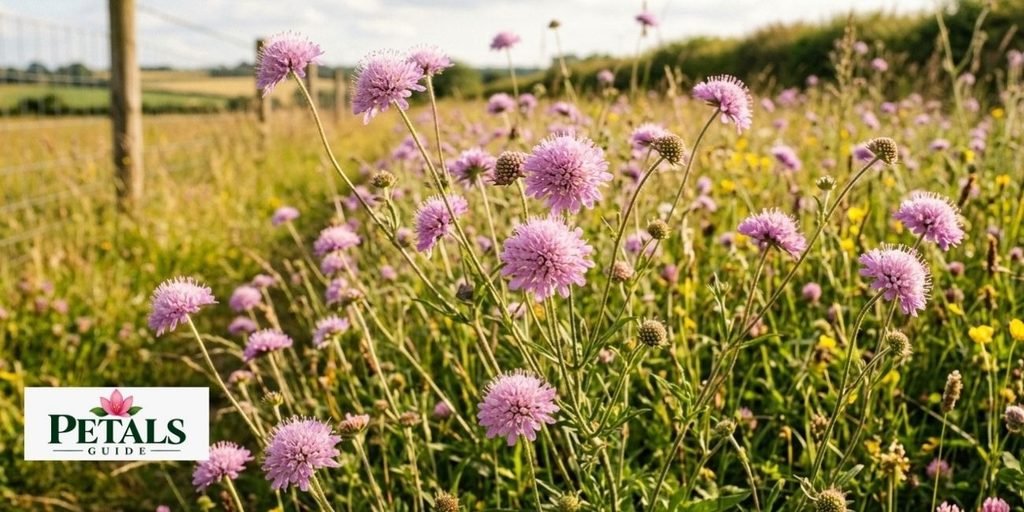
These k flowers are not just pretty, they have a knack for thriving in poor soil and are drought-resistant, making them perfect for low-maintenance gardens. Their tall, swaying stems lend a graceful movement to flower beds, creating a picturesque scene. With their extended blooming season from summer to fall, Knautia flowers bring lasting joy and vibrant hues, making them a delightful addition to any floral ensemble.
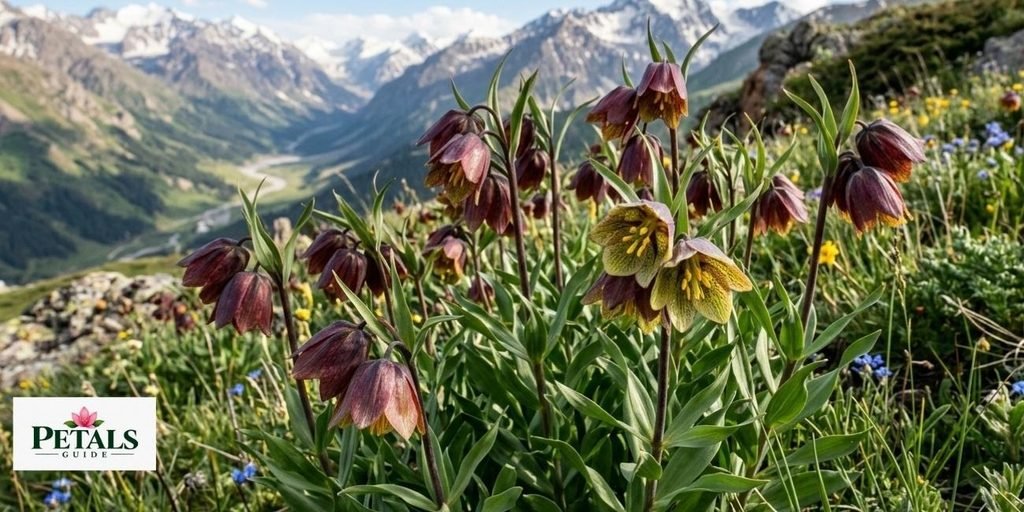
13.Korolkowia
Scientific Name: Fritillaria sewerzowii
Class: Liliopsida (Monocotyledons)
Season: Spring (March–May)
Native Country/Region: Central Asia, especially Uzbekistan, Tajikistan, and Kyrgyzstan
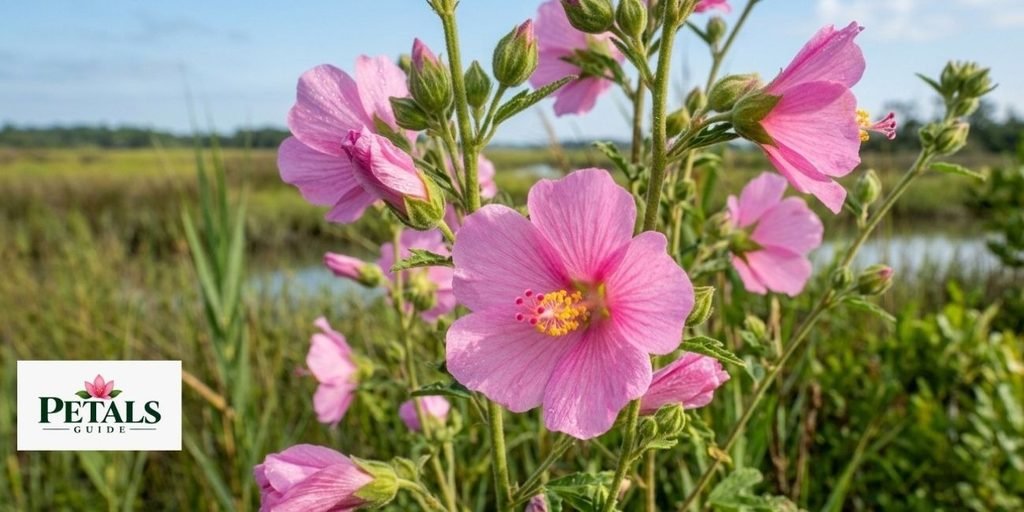
Kosteletzkya, often known as the swamp rose mallow, brings a touch of elegance to any garden, especially in wetland areas. With its striking pink to white blooms, these flowers that start with K offer not just beauty but also a habitat for local wildlife. The broad, heart-shaped leaves add a lush backdrop to the delicate flowers, making them a favorite among gardeners seeking to attract butterflies and bees. Embracing Kosteletzkya in your garden means celebrating diversity and resilience in nature’s palette.
14.Kosteletzkya
Scientific Name: Kosteletzkya virginica
Class: Magnoliopsida (Dicotyledons)
Season: Summer to autumn
Native Country: Tropical and subtropical regions of Africa, Asia, Australia, and the Americas.
Kosteletzkya flowers, particularly Kosteletzkya virginica, are a striking sight. These plants, often found in wetland areas, showcase lovely pink blooms that attract pollinators like bees and butterflies. Known for their resilience, they thrive in both sun and partial shade, making them versatile additions to gardens.
For those interested in flowering house plants that start with k, Kosteletzkya offers an intriguing option. With their unique foliage and vibrant flowers, they can brighten any indoor space. This low-maintenance plant is not only beautiful but also plays a role in supporting local ecosystems. Embrace Kosteletzkya flowers as a way to connect with nature while enhancing your home decor.
15.Kigelia (Sausage Tree)
Scientific Name: Kigelia africana
Class: Equisetopsida
Season: Spring to summer
Native Country/Region: Tropical and southern Africa
Kigelia flowers, often known as the “sausage tree,” are a striking example of nature’s creativity. These unique blooms are large and bell-shaped, hanging gracefully from thick branches. The flowers begin with a lustrous, deep maroon hue, contributing to their exotic charm. In addition to their beauty, Kigelia has a rich cultural history, particularly in Africa, where it is associated with various medicinal properties.
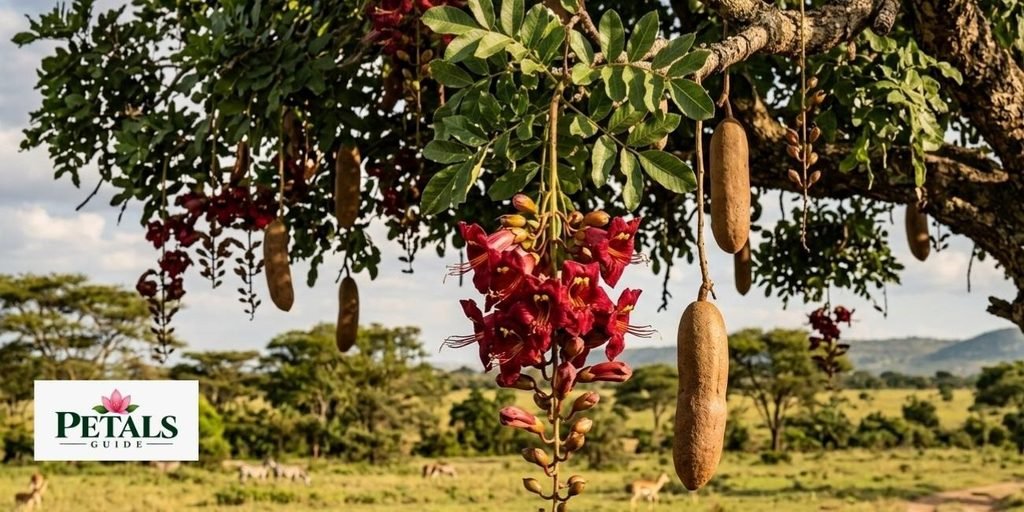
Flowers beginning with K, like the Kigelia, catch the eye not just for their appearance but also for their intriguing backgrounds. While they thrive in tropical climates, they can also add a touch of the extraordinary to flowering house plants that start with K. Their intriguing scent attracts pollinators, showcasing a fascinating relationship with wildlife. Embracing Kigelia in your garden or home means celebrating a plant that blends beauty, culture, and ecological importance.
Why Rare Letter-Based Gardening Should Grow
Rare letter-based gardening, particularly with flowers that start with the letter K, opens a world of unique beauty that is often overlooked. This niche approach not only elevates garden aesthetics but also nurtures biodiversity by introducing rare K species, like Knautia and Kniphofia, into local landscapes. These flowers bring vibrant colors and unusual forms that can inspire creativity and provide a talking point among gardening enthusiasts.
Cultivating these rare varieties encourages gardeners to think outside the conventional plant palette. They tend to thrive in various conditions, making them resilient choices for any garden. By focusing on lesser-known plants, gardeners contribute to conservation efforts and preserve species that might otherwise fade from existence. Embracing rare letter-based gardening may not just be about plants, it’s a movement towards appreciating the diversity of nature in our everyday lives.
The 45% Warning
The Global Plant Diversity and Distribution collection has revealed a startling reality: 45% of plant species face threats from extinction. This alarming statistic reflects the fragility of the natural world and calls for urgent action. The impact is profound, as the loss of these species affects not only our ecosystems but also the flowers that start with the letter K, such as Kalanchoe and Kangaroo Paw, which play vital roles in our gardens and environments.
- A significant decline in diverse plant life disrupts food chains and habitats.
- Ecosystem services like air purification and pollination are at risk.
- Conservation efforts must prioritize both rare and common species to maintain balance.
- Educating communities about native plants fosters appreciation for local flora.
The challenge before us is to protect these vital organisms before it’s too late. Every flower lost is a story untold, reminding us of the beauty and complexity that could vanish forever.
How Your Garden Fights Back?
Your garden isn’t just a collection of plants, it’s a resilient ecosystem ready to battle the odds. Each flower, including those like Knautia and Korean Bellflower brings its unique vigor, thriving in even challenging conditions. Nature crafts strategies for survival, from deep roots to vibrant colors that attract beneficial insects.
- Adaptability: Plants can thrive in diverse soils and climates.
- Defense Mechanisms: Many flowers release scents or produce substances to deter pests.
- Companionship: Certain plants flourish together, supporting each other’s growth.
Engaging with your garden reveals a world of persistence. When we nurture it, we’re also uplifted by its undying spirit, reminding us of the strength found in nature.
Why Growing Rare K Flowers Helps Protect Biodiversity
Growing rare K flowers, like Kniphofia and Kalanchoe, plays a vital role in protecting biodiversity. These unique plants often serve as crucial resources for local ecosystems, providing food and habitat for various species. By cultivating flowers that start with the letter K, we can help maintain the delicate balance of nature.
- Support pollinators: Many rare flowers attract bees, butterflies, and other pollinators, enhancing the overall health of the environment.
- Preserve genetic diversity: Rare plants offer genetic materials vital for breeding programs, ensuring resilience against diseases and climate change.
- Strengthen local cultures: Growing these flowers fosters community connections and awareness about the importance of conserving unique species.
By nurturing these exquisite blooms, we not only beautify our surroundings but also make a significant contribution to the planet’s ecological health.
How to Choose the Right K Flower for Your Garden
Selecting the right flower beginning with K can transform your garden into a vibrant oasis. Kelkiewyn, with its bright colors, thrives in full sun and attracts butterflies, making it a delightful choice for pollinator-friendly spaces. On the other hand, Korolkowia offers a unique texture with its lush foliage, perfect for creating depth and variety within your landscape. Koki’o, known for its stunning blooms, adds an exotic flair, making it ideal for focal points.
When choosing among these flowers that start with K, consider the following:
- Sunlight Requirements: Ensure they match your garden’s exposure.
- Soil Preferences: Know what each flower thrives in for best growth.
- Watering Needs: Choose flowers that align with your maintenance routine.
By accounting for these factors, you can create a stunning display that’s both beautiful and low-maintenance.
Final Thoughts on K Letter Flowers
Flowers that start with the letter K are not only beautiful but also add unique charm to gardens and landscapes. From the vibrant Kalanchoe to the delicate King protea, these plants bring variety and color to our surroundings. Each rare K flower has its special care requirements and characteristics, making them interesting to grow. Knowing about these flowers can inspire gardening enthusiasts to try something new. Consider adding a K-flower to your collection and enjoy the beauty it brings.
Flowers That Start With Z, P, and A will introduce you to amazing flowers you’ve never seen before.
FAQs
What are some flowers that start with the letter K?
Some common flowers that start with “K” include Kangaroo Paw, King Protea, and Kiss-Me-Quick. Each has its unique beauty and characteristics.
What is the meaning of the King Protea flower?
The King Protea symbolizes courage and diversity. It’s a stunning flower that often represents strength in differences.
How often do I water Kiss-Me-Quick flowers?
Kiss-Me-Quick flowers should be watered regularly but don’t like soggy soil. Water them when the top inch of soil feels dry.
Can I grow King Protea indoors?
Growing King Protea indoors can be tricky. They need plenty of sunlight and good airflow, so a bright room is best.
Are any flowers that start with K endangered?
Yes, some varieties, like certain types of Kangaroo Paw, can be threatened by habitat loss. It’s important to support conservation efforts.
How can I care for Kiss-Me-Quick flowers?
Kiss-Me-Quick flowers need sunlight and well-drained soil. Regular deadheading helps them bloom longer and stay healthy.