
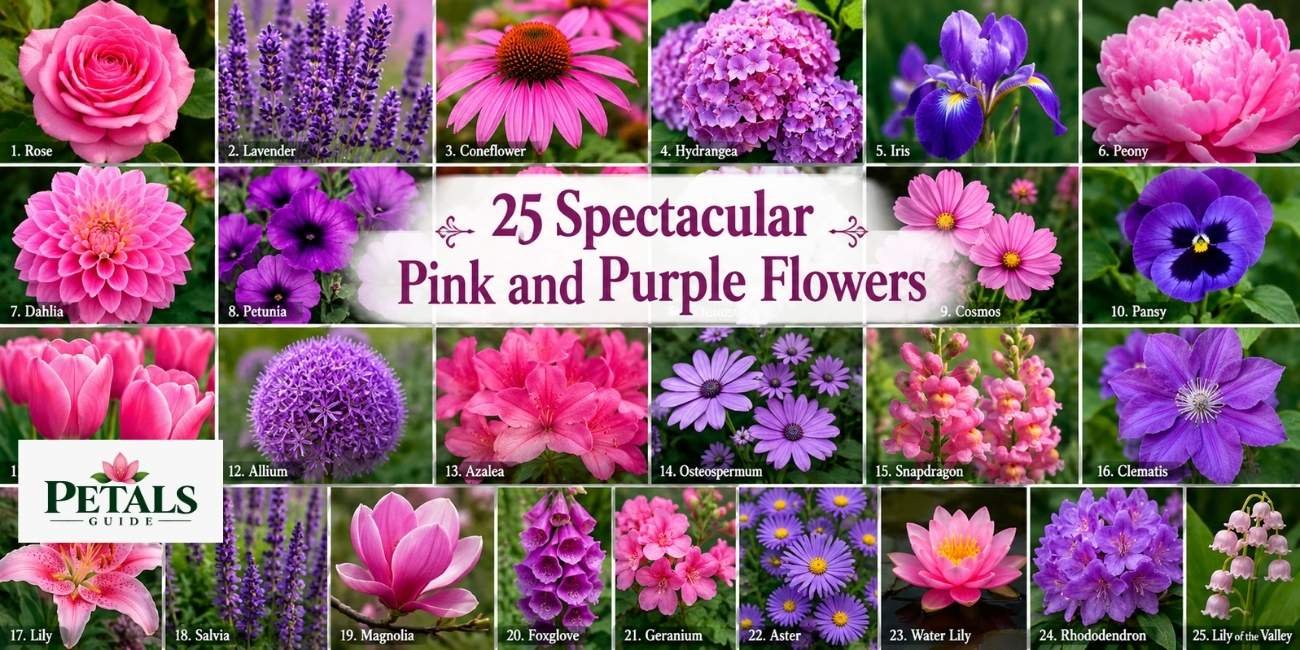
Pink and purple flowers are often seen as symbols of beauty and peace in gardens. This article highlights 25 spectacular varieties that can enhance your home and create a stunning visual display. Understanding these flowers is important for any gardener looking to make a statement. Dive in to find inspiration for your own floral paradise.
Meaning of Pink and Purple Flowers
Pink and purple flowers hold a special place in the world of color and emotion. Their soft hues often symbolize love, admiration, and creativity. Pink flowers, like peonies and roses, exude warmth and tenderness, making them perfect for expressing feelings of affection.
On the other hand, purple flowers, such as lavender and violets, evoke a sense of mystery and spirituality. Together, these colors create a stunning visual harmony that can uplift any space.
- Pink flowers symbolize love and tenderness.
- Purple flowers represent mystery and creativity.
- Both colors bring joy and beauty to gardens.
- They complement each other beautifully in floral arrangements.
10 Stunning Pink Flowers
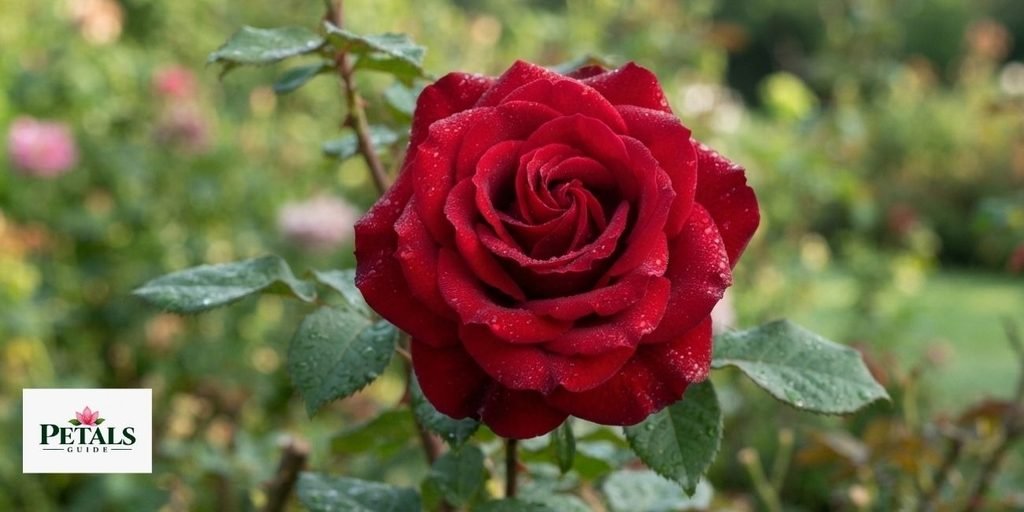
1. Rose (Rosa spp.)
Roses (Rosa spp.) offer an enchanting palette of pink and purple flowers that can transform any garden into a vibrant spectacle. Thriving in USDA Hardiness Zones 3 to 10, these beautiful blooms can adapt to varied climates, bringing color from spring to late fall in many regions.
- Bloom Time: Most roses bloom from late spring to early fall, providing a long season of stunning displays.
- Soil: They prefer well-draining soils rich in organic matter, ensuring roots stay healthy and strong.
- Sun Exposure: A spot with at least six hours of sunlight daily helps maximize the beauty of pink and purple flowers.
A special note to gardeners: regular deadheading encourages more blossoms, allowing you to enjoy a continuous show of these delightful pink and purple flowers.
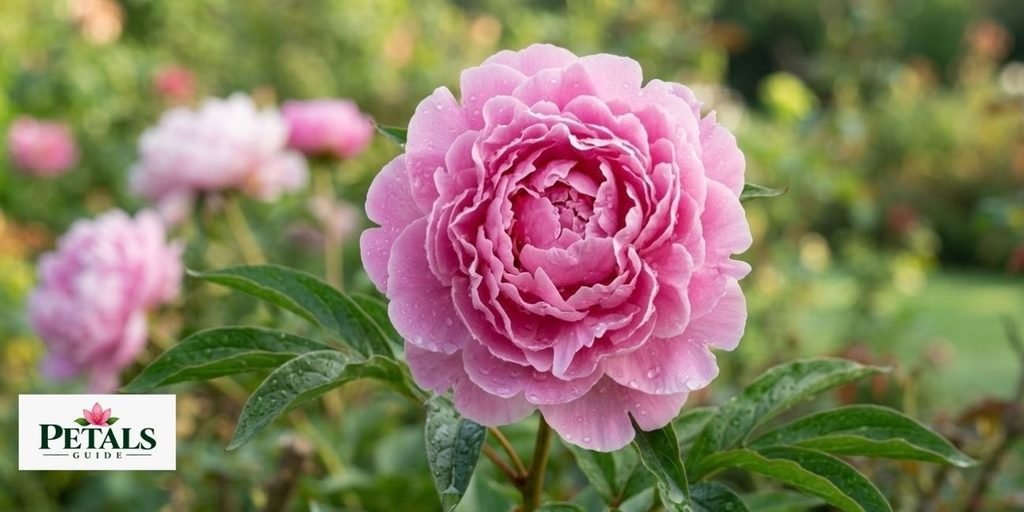
2. Peony (Paeonia lactiflora)
Peonies (Paeonia lactiflora) are enchanting additions to any garden, showcasing their beautiful pink and purple flowers that bloom in spring and early summer. These vibrant petals attract pollinators, creating a lively atmosphere in your yard.
- USDA Hardiness Zones: Best suited for Zones 3-8, they thrive in a variety of climates.
- Bloom Time: Expect stunning blooms from late spring to early summer, bringing joy for weeks.
- Soil: Well-draining soil enriched with organic matter helps them flourish beautifully.
- Sun Exposure: Peonies love full sun but can tolerate partial shade, ensuring a colorful display.
Special note: These perennial favorites can last a lifetime, thriving with minimal care once established, making them a wise investment for any flower lover.
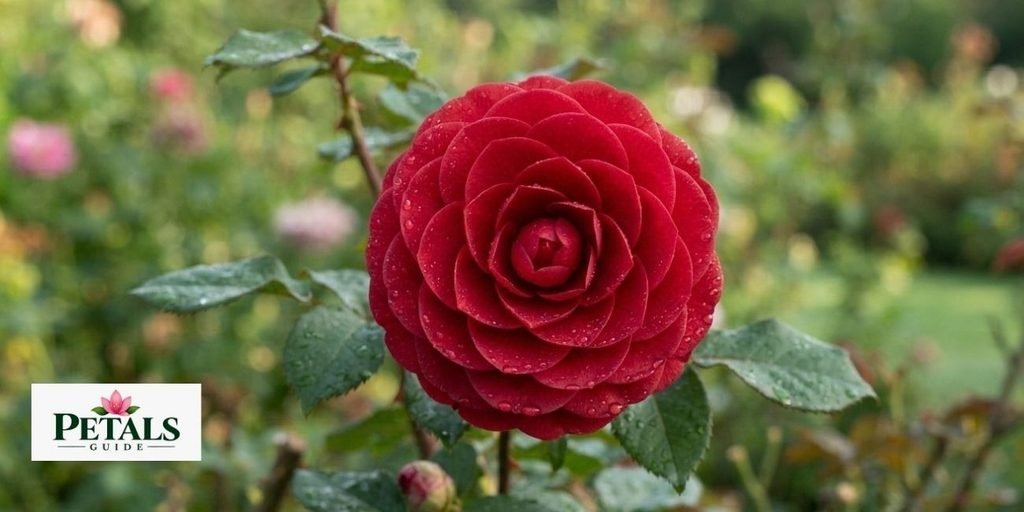
3. Camellia (Camellia japonica)
Camellia (Camellia japonica) showcases stunning pink and purple flowers that blossom during late winter to early spring, bringing life to gardens when little else is in bloom. These beautiful pink and purple flowers are cherished for their lush, glossy leaves and vibrant hues, providing a striking contrast against the cold backdrop of early seasons.
- USDA Hardiness Zones: Thrives in zones 7 to 9, making it perfect for milder climates.
- Soil: Prefers well-draining, acidic soil enriched with organic matter for optimal growth.
- Sun Exposure: Enjoys partial shade, especially in hot climates, to protect delicate blossoms.
Special Note: Regular pruning after blooming helps maintain shape and encourages more flowers in the following season.
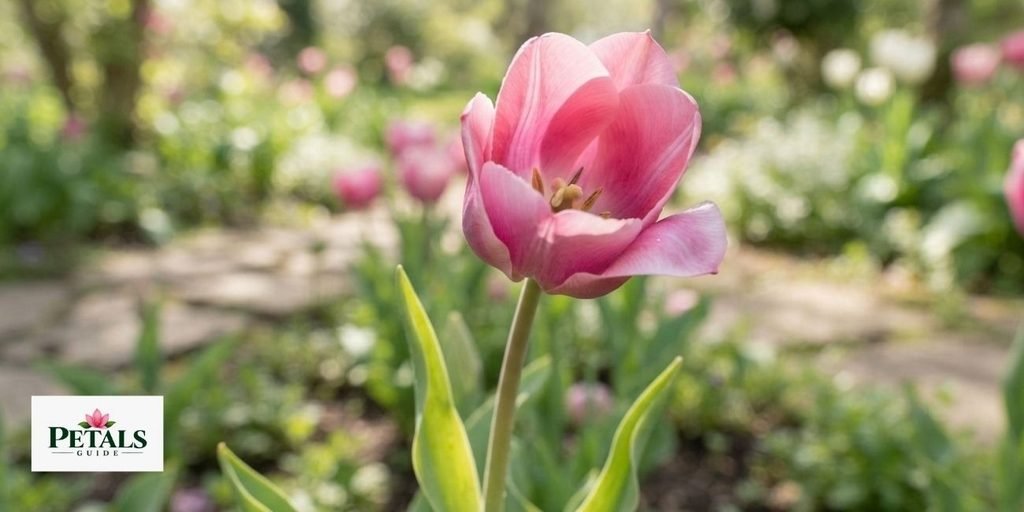
4. Pink Tulip (Tulipa gesneriana)
Pink tulips (Tulipa gesneriana) stand out in any garden, offering a delightful contrast with their lush purple counterparts. Known for their beautiful pink and purple flowers, these blooms thrive in USDA Hardiness Zones 3-7, making them accessible for many gardeners.
- Bloom Time: Typically flowering in spring, they bring joy after the colder months.
- Soil: Prefer well-drained, fertile soil to support healthy growth.
- Sun Exposure: Full sun encourages vibrant blooms and strong stems.
Special note: Pink and purple flowers create a stunning display, perfect for layering or mixed borders. These tulips also serve pollinators, bringing life and color to your outdoor space.
5. Azalea (Rhododendron spp.)
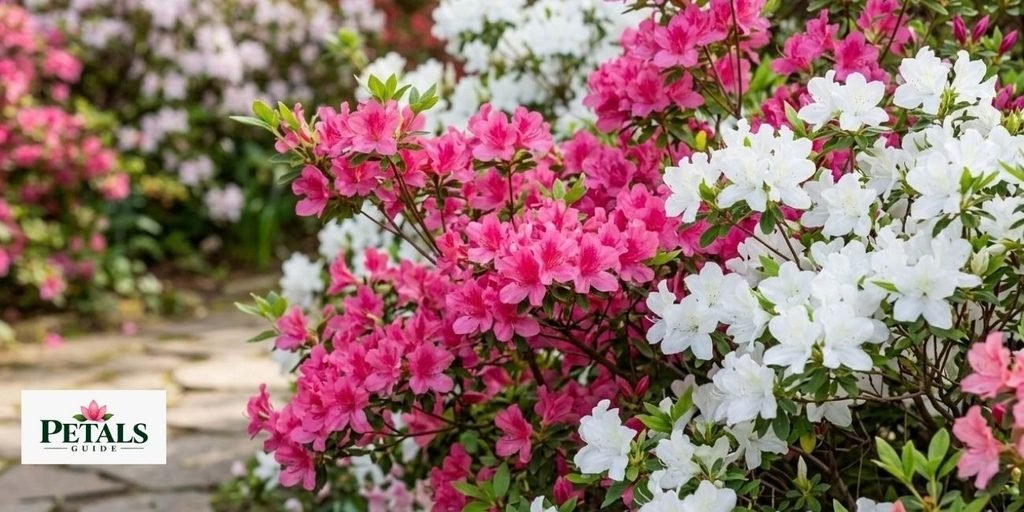
Azaleas (Rhododendron spp.) are a stunning choice for any garden, celebrated for their vibrant pink and purple flowers. These blooms bring life and color to any landscape, often thriving in USDA Hardiness Zones 5 to 9. With proper care, azaleas can transform a dull space into a floral delight.
- Bloom Time: Typically, azaleas bloom in early spring, creating a dazzling display just as winter fades.
- Soil: They prefer well-drained, acidic soil rich in organic matter to flourish.
- Sun Exposure: Azaleas thrive in partial shade but can also tolerate full sun, especially the pink and purple varieties.
Special Note: Regular pruning after flowering encourages bushier growth and more abundant future blooms, enhancing the overall beauty of your pink purple flowers garden.
6. Carnation (Dianthus caryophyllus)
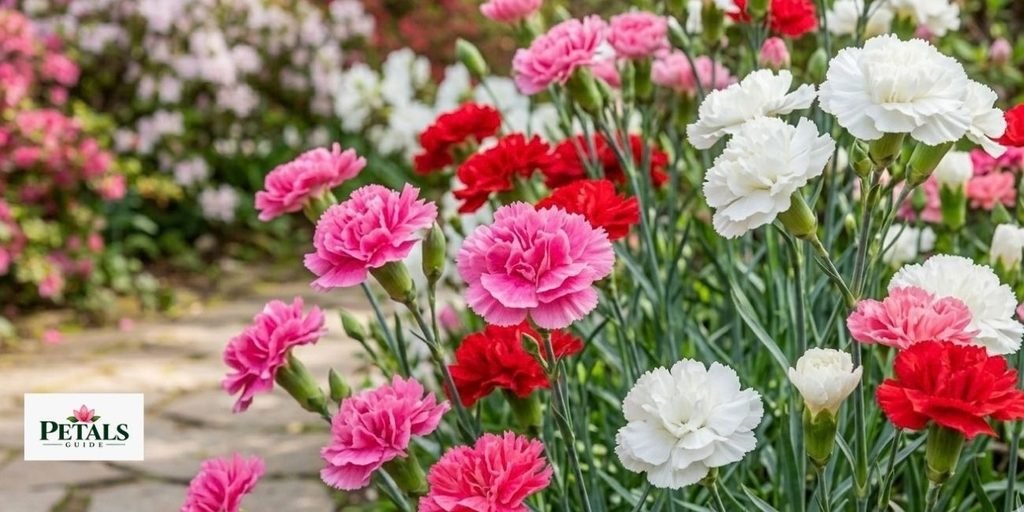
Carnations (Dianthus caryophyllus) are beloved for their charming pink and purple flowers, adding vibrant colors to any garden. These stunning blooms flourish in USDA Hardiness Zones 3 to 10, making them versatile for various climates.
- Bloom Time: Typically blossom from late spring to early summer, extending well into the fall.
- Soil: Prefer well-drained, loamy soil enriched with organic matter.
- Sun Exposure:** Thrive in full sun, needing at least six hours of sunlight daily.
Special Note: Carnations are often used in bouquets and floral arrangements, symbolizing love and admiration. With proper care, these delightful pink and purple flowers can transform any space, brightening your day with their beauty and fragrance.
7. Zinnia (Zinnia elegans)
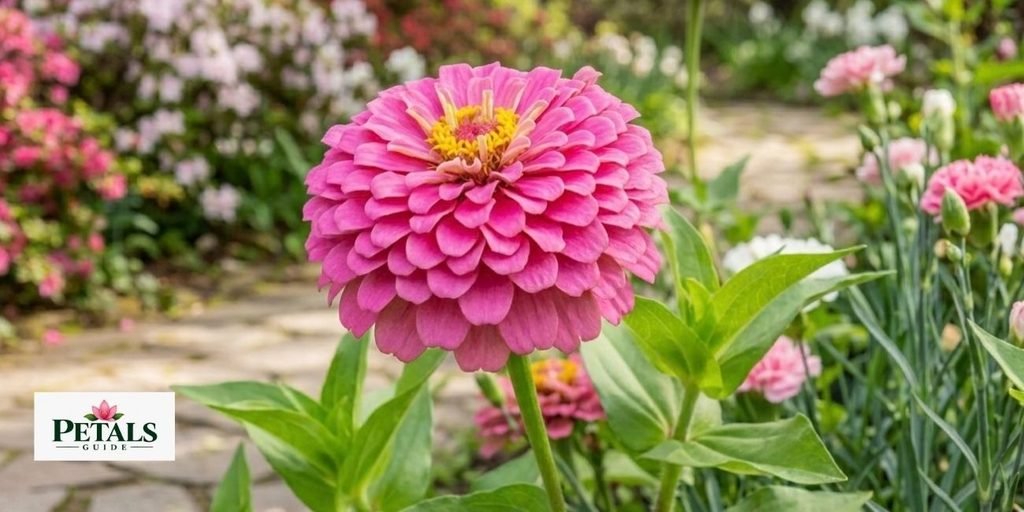
Zinnia elegans, celebrated for its stunning pink and purple flowers, brings vibrant color to gardens and containers alike. These cheerful blooms attract butterflies and beneficial insects, making them an eye-catcher in any landscape. With their diverse color palette, these flowers create a delightful mix, ensuring your garden bursts with life and charm.
- USDA Hardiness Zones: Thrives in zones 2-11, offering versatility for various climates.
- Bloom Time: Flowers from summer to frost, providing months of beauty.
- Soil: Prefers well-drained, sandy soil with a neutral pH for optimal growth.
- Sun Exposure: Loves full sun, requiring 6-8 hours of sunlight daily.
Special note: Zinnias are low-maintenance and drought-tolerant, making them perfect for busy gardeners. Plus, they’re excellent cut flowers, adding a touch of joy to your home.
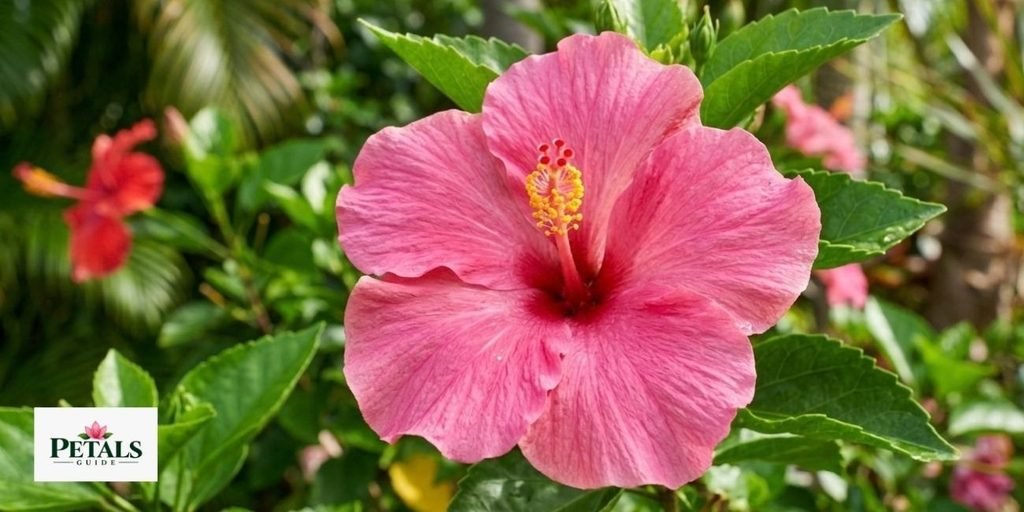
8. Pink Hibiscus (Hibiscus rosa-sinensis)
Pink Hibiscus (Hibiscus rosa-sinensis) brings a vibrant splash of color to gardens with its striking pink and purple flowers. Perfect for warm climates, these blooms thrive in USDA Hardiness Zones 9 to 11.
- Bloom Time: You’ll be treated to these eye-catching pink and purple flowers from spring to fall.
- Soil: A well-draining soil enriched with organic matter works wonders for their growth.
- Sun Exposure: These beauties prefer full sun for at least six hours a day to showcase their rich colors.
Special note: Purple and pink flowers attract pollinators like bees and butterflies, making your garden a lively haven. By choosing the right conditions, you can enjoy the beauty of efficient bloomers with minimal fuss.
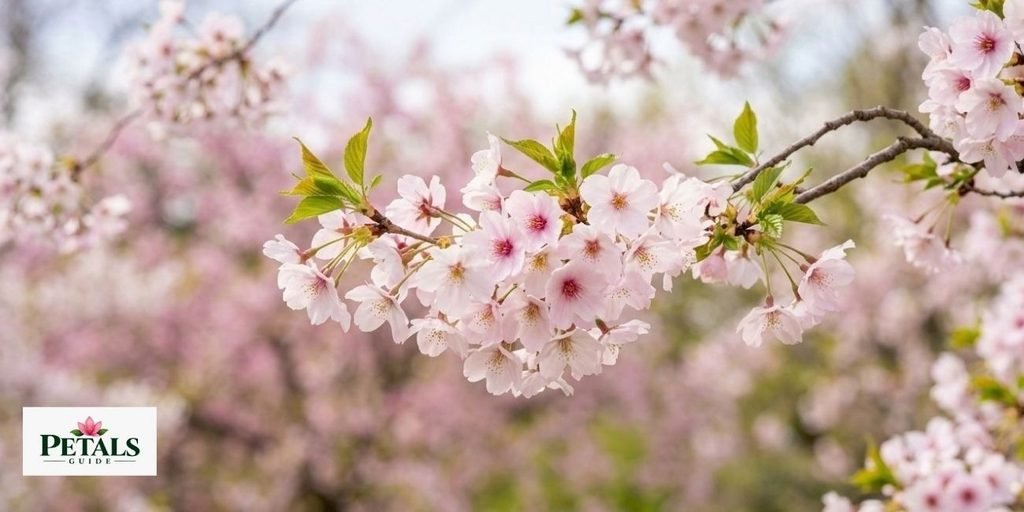
9. Cherry Blossom (Prunus serrulata)
Cherry Blossom (Prunus serrulata) showcases mesmerizing pink, purple, and sometimes even white flowers, transforming landscapes into dreamy vistas. This beauty thrives in USDA Hardiness Zones 5-8, making it a favorite in various climates.
- Bloom Time:Typically during early spring, bringing bursts of color.
- Soil: Prefers well-drained, loamy soil for healthy growth.
- Sun Exposure: Loves full sunlight, ensuring vibrant blooms.
Special note: These trees can be stunning accent plants, especially when combined with shrubs bearing purple leaves and pink flowers. Their fleeting blossoms remind us to appreciate beauty in the moment.
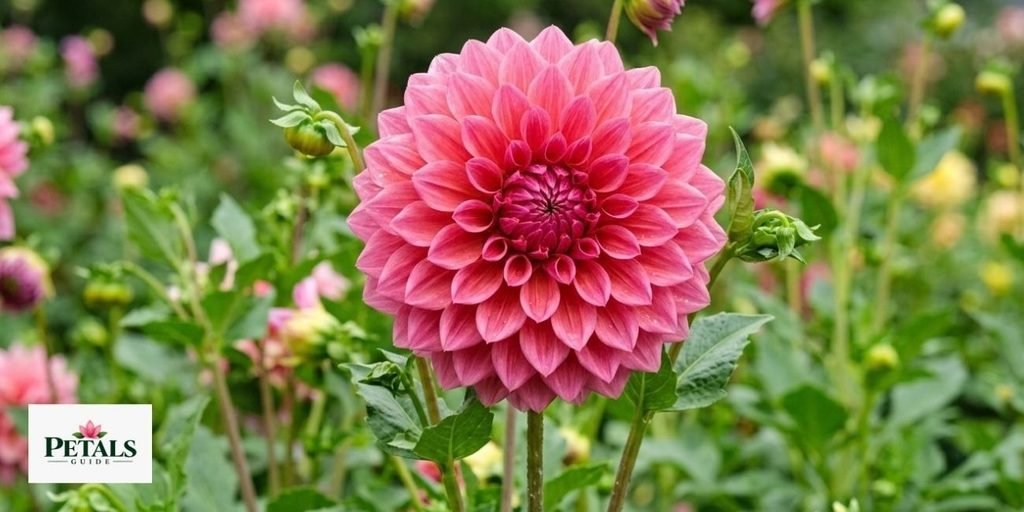
10. Pink Dahlia (Dahlia pinnata)
The Pink Dahlia (Dahlia pinnata) stands out with its stunning pink and purple flowers that can transform any garden into a vibrant oasis. This shrub with purple leaves and pink flowers thrives in USDA Hardiness Zones 3 to 10, making it a versatile choice for many gardeners.
- Bloom Time:These flowers bloom from mid-summer to fall, offering a long-lasting color display.
- Soil:They prefer well-drained, nutrient-rich soil, ensuring healthy roots and plentiful blooms.
- Sun Exposure: Choose a spot with full sun for the best results; at least 6-8 hours a day will keep your dahlias thriving.
Special note: Drenched in charm, the flowers pink and purple can attract butterflies, bringing even more life to your garden.
Whether you’re a seasoned gardener or a beginner, the Pink Dahlia offers an easy way to brighten your outdoor space.
10 Enchanting Purple Flowers
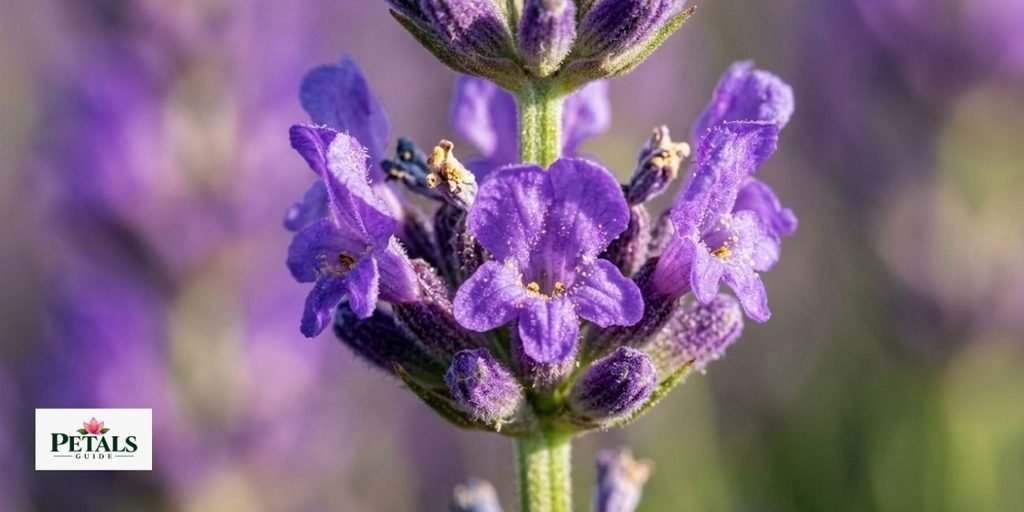
1. Lavender (Lavandula angustifolia)
Lavender (Lavandula angustifolia) is a delightful shrub known for its stunning pink and purple flowers, which are not just beautiful but also fragrant. This plant thrives in USDA Hardiness Zones 5 to 9, making it a versatile choice for many gardens. Key points to remember include:
- Bloom Time: Typically blooms from late spring to early summer, offering vibrant purple and pink hues.
- Soil: Prefers well-drained soil with a slightly alkaline pH, allowing those lovely flowers to thrive.
- Sun Exposure: Enjoys full sun, which boosts flower production and overall health.
Special note: This shrub with purple leaves and pink flowers attracts pollinators, enriching your garden’s ecosystem. Its resilience and charm make it a garden favorite, inviting smiles and admiration from all who visit.
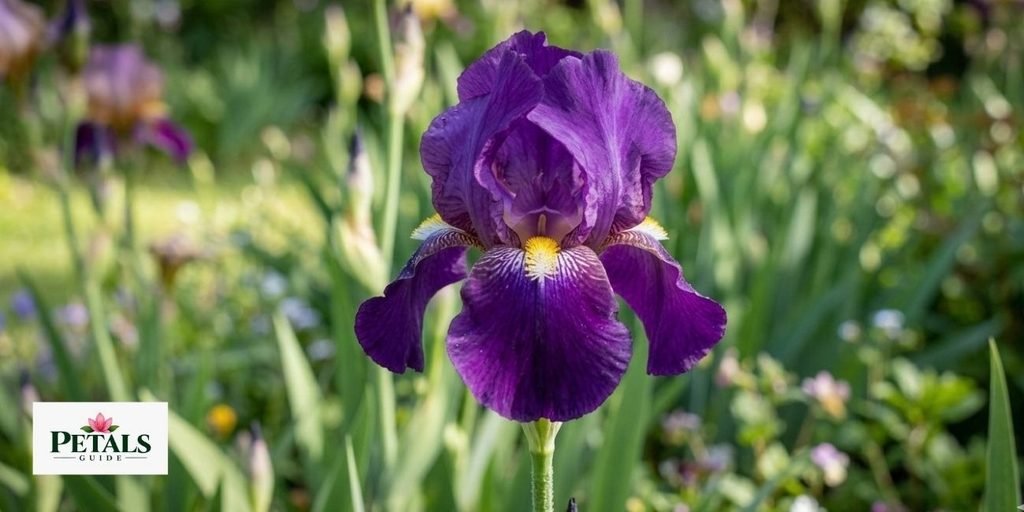
2. Purple Iris (Iris germanica)
Purple Iris (Iris germanica) showcases stunning hues of purple, pink, and even occasional blue flowers, captivating garden enthusiasts everywhere. This hardy perennial thrives in USDA Hardiness Zones 3-9, making it a versatile choice for a variety of climates.
- Bloom Time: Expect breathtaking blooms in late spring to early summer.
- Soil: Well-draining soil enriched with organic matter is ideal for these beauties.
- Sun Exposure: Full sun is essential for robust growth and vibrant colors.
Special note: Purple Irises are not just pretty; they attract butterflies, adding extra life to your garden.
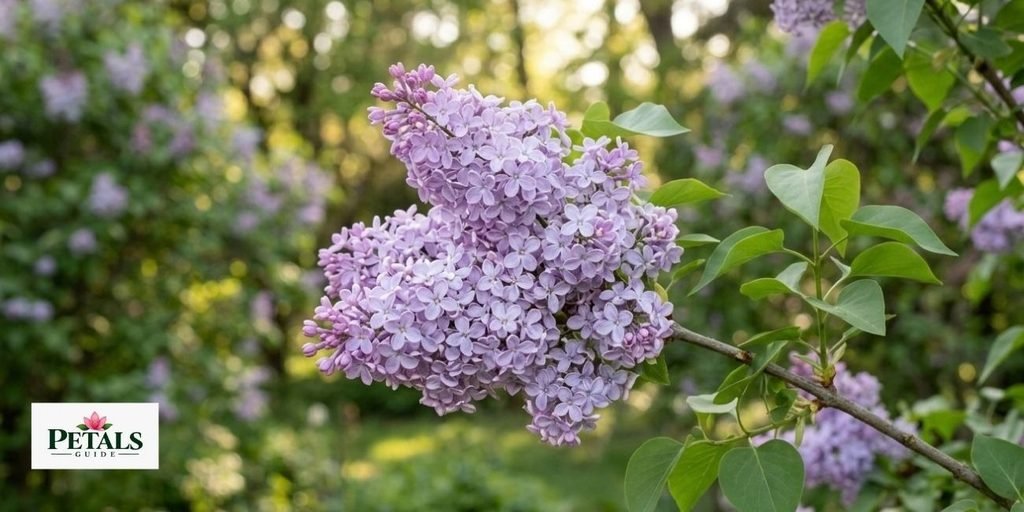
3. Lilac (Syringa vulgaris)
Lilac (Syringa vulgaris) enchants gardens with its stunning pink and purple flowers. Known for their sweet fragrance, these blooms typically appear in late spring, transforming landscapes into vibrant displays.
- USDA Hardiness Zones: Thrives in Zones 3-7.
- Soil: Prefers well-drained, loamy soil rich in organic matter.
- Sun Exposure: Full sun is ideal for abundant blooming.
A special note: Lilacs not only attract pollinators but also offer a delightful scent that can fill your yard with springtime joy. With proper care, your purple and pink flowers can flourish for generations.
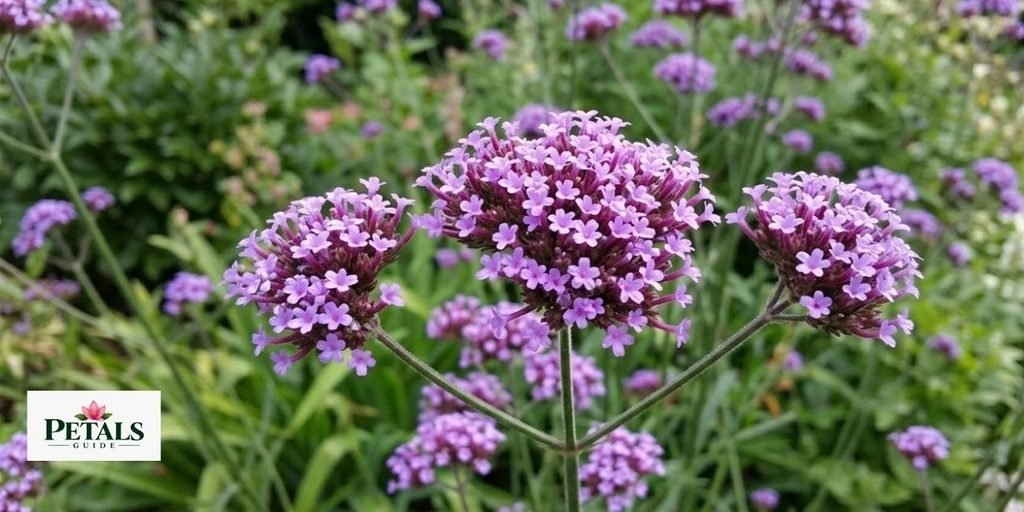
4. Verbena (Verbena bonariensis)
Verbena bonariensis dazzles gardens with its charming clusters of pink and purple flowers, creating a visual feast that attracts both pollinators and garden lovers alike. Typically blooming from mid-summer to early fall, these flowers pink and purple offer a long-lasting color display, making them a favorite for gardeners seeking vibrant seasonal interest.
- USDA Hardiness Zones: Thrives in Zones 7 to 11.
- Soil:Prefers well-drained, sandy soil but adapts easily.
- Sun Exposure: Enjoys full sun, soaking up those warm rays.
- Special Note: An excellent choice for attracting butterflies and bees!
This resilient plant not only adds beauty but also supports local wildlife, enriching your outdoor space in more ways than one.
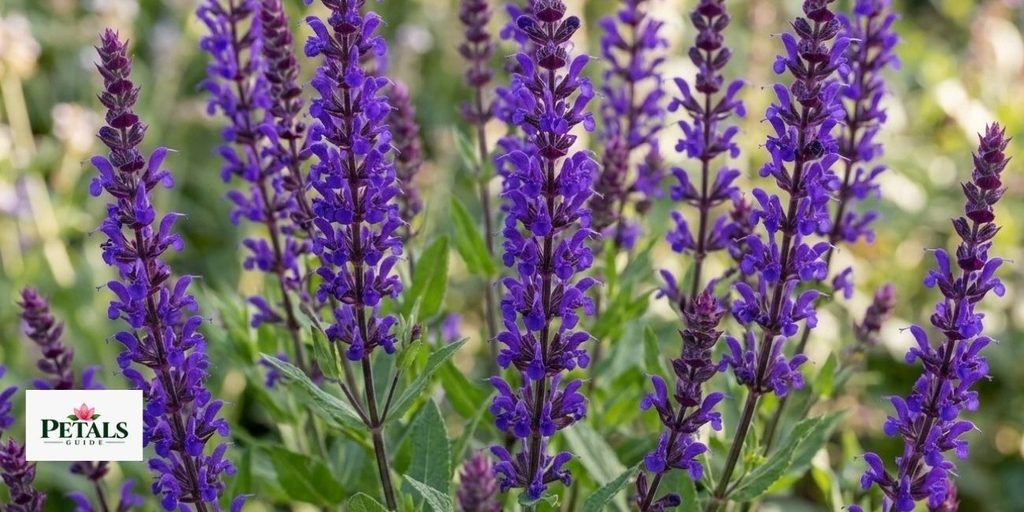
5. Salvia (Salvia nemorosa)
Salvia (Salvia nemorosa) showcases stunning pink and purple flowers that dance gracefully in the garden. These vibrant blooms attract pollinators, making them a favorite for enhancing biodiversity.
- USDA Hardiness Zones: They thrive in Zones 4 to 8, adapting well to various climates.
- Bloom Time: You’ll enjoy their colorful display from late spring to early summer.
- Soil: Well-drained soil is essential, as they prefer drier conditions and can suffer in excessive moisture.
- Sun Exposure:Full sun is ideal, allowing these flowers pink and purple to flourish brilliantly.
Special note: Salvia is drought-tolerant, making it a low-maintenance choice for busy gardeners who want to add lively color without the fuss.
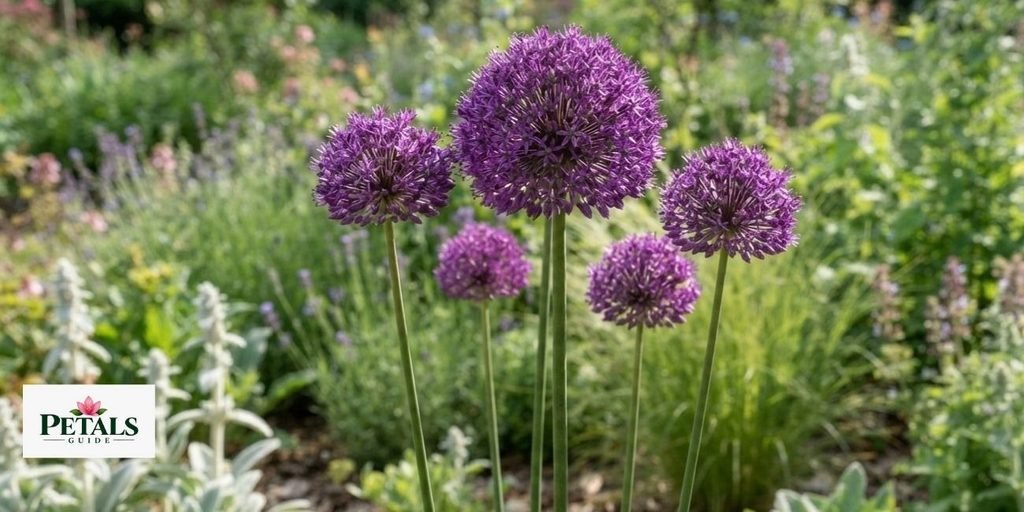
6. Allium (Allium giganteum)
Allium giganteum, with its stunning pink and purple flowers, brings a bold splash of color to any garden. Blooming in late spring to early summer, this striking plant captures attention with its unique globe-shaped clusters.
- USDA Hardiness Zones: Thrives in Zones 4-8
- Soil: Prefers well-drained soil, rich in organic matter
- Sun Exposure: Enjoys full sun for vibrant growth
Special note: These purple pink flowers not only attract pollinators but also add height and drama to flower beds. They’re a favorite among gardeners seeking low-maintenance yet eye-catching blooms that stand out in any landscape.
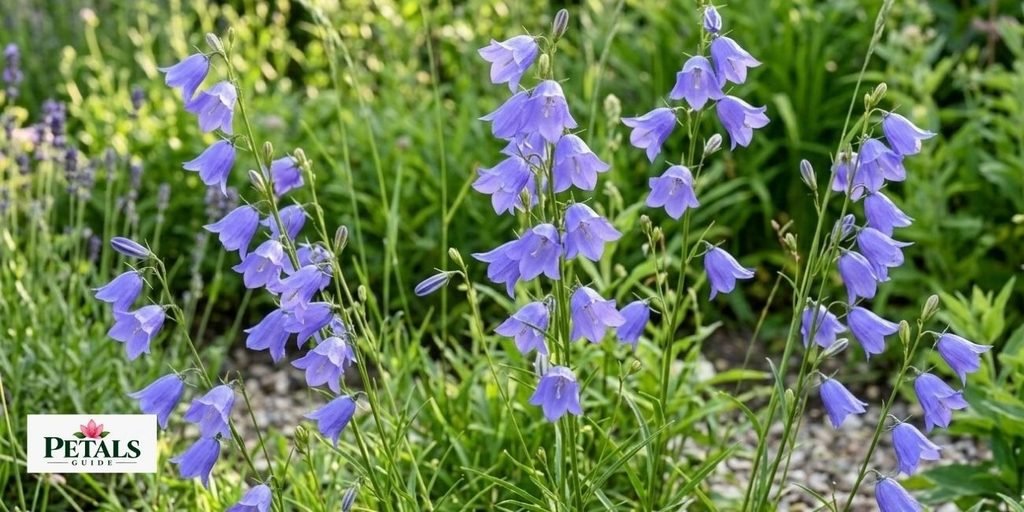
7. Bellflower (Campanula medium)
Bellflower (Campanula medium) is a stunning addition to any garden with its vibrant pink and purple flowers. These delightful blooms can create a charming display, providing a burst of color that attracts butterflies and bees.
- USDA Hardiness Zones:These flowers thrive in Zones 3 to 8, making them adaptable to various climates.
- Bloom Time: Expect about a month of colorful showcases with their enchanting purple, pink, and blue flowers, usually in late spring to early summer.
- Soil:Bellflowers prefer well-drained, fertile soil to help them flourish.
- Sun Exposure: They thrive in full sun to part shade, offering flexibility for different garden designs.
Special note: This plant can self-seed, leading to an enchanting spread in your garden, creating a natural, cottage-like feel over time. Enjoy nurturing these beautiful purple and pink flowers for a rewarding gardening experience.
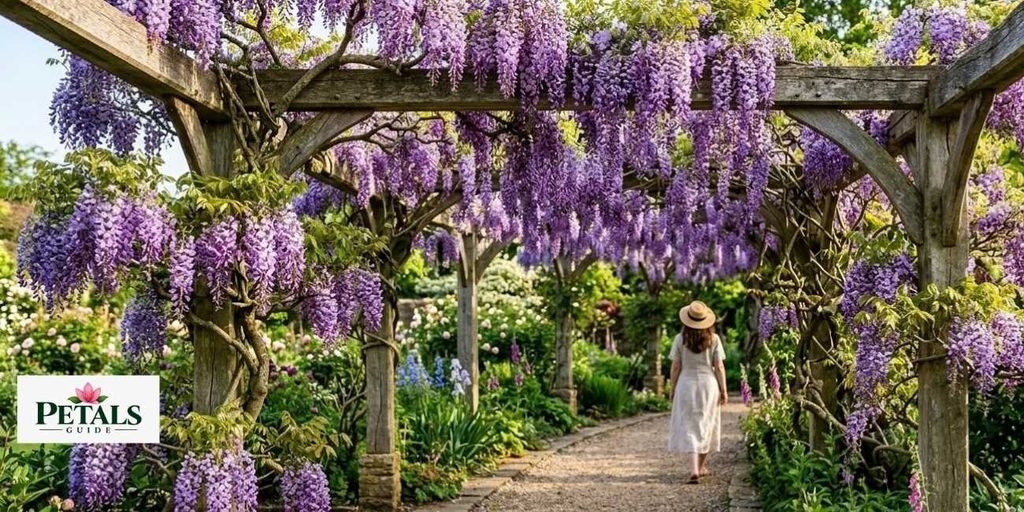
8. Wisteria (Wisteria sinensis)
Wisteria sinensis, known for its breathtaking cascades of pink and purple flowers, adds a dreamy touch to any garden. These stunning blooms can drape gracefully over fences or trellises, giving a whimsical look. To thrive, Wisteria prefers:
- USDA Hardiness Zones: 5-9
- Bloom Time: Late spring to early summer
- Soil: Well-drained, slightly acidic
- Sun Exposure: Full sun for best growth
Planting these purple pink flowers not only enhances your landscape but can also attract lovely pollinators. Just be cautious, they can be vigorous growers, requiring regular pruning to keep them in check. With their enchanting display, Wisteria offers both beauty and a touch of nature’s magic.
Special Note: Pruning is essential for encouraging blooms, so mark your calendar.
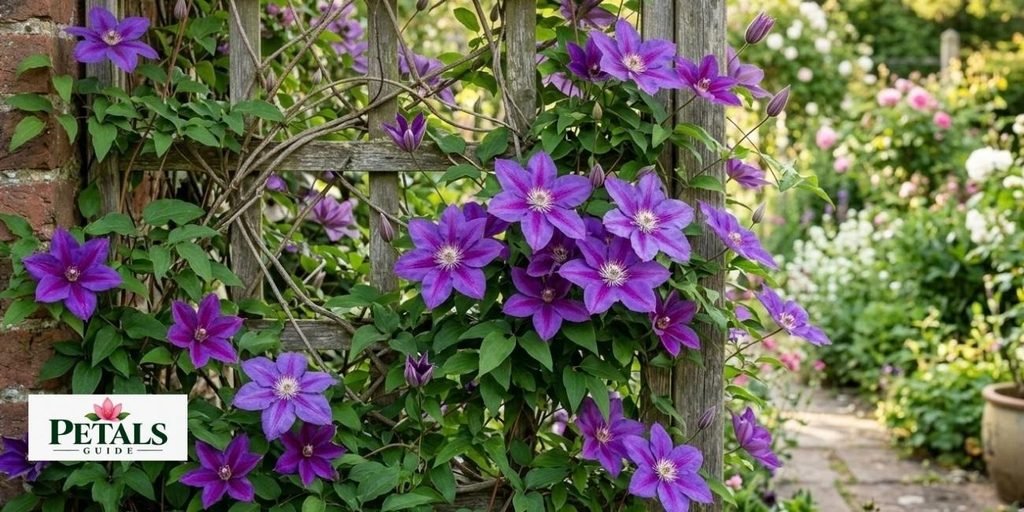
9. Clematis (Clematis jackmanii)
Clematis (Clematis jackmanii) is a stunning addition to any garden, showcasing vibrant purple pink flower,that can brighten up any landscape. Here’s what you need to know:
- USDA Hardiness Zones: Thrives in Zones 4 to 9, making it quite adaptable.
- Bloom Time: Enjoys its peak blooming period from late spring to early summer, delighting gardeners with rich colors.
- Soil and Sun Exposure: Prefers well-drained soil and full sun to partial shade, ensuring robust growth and plentiful blooms.
Special Note: This bush with pink and purple flowers benefits from regular pruning, leading to even more vibrant displays in the following seasons.
Cultivating Clematis is not just about aesthetics; it’s also a joy to see how its blooms attract butterflies and bees, contributing to a vibrant garden ecosystem. Keep an eye on these lovely vines, and you’ll be rewarded with a burst of colour year after year.
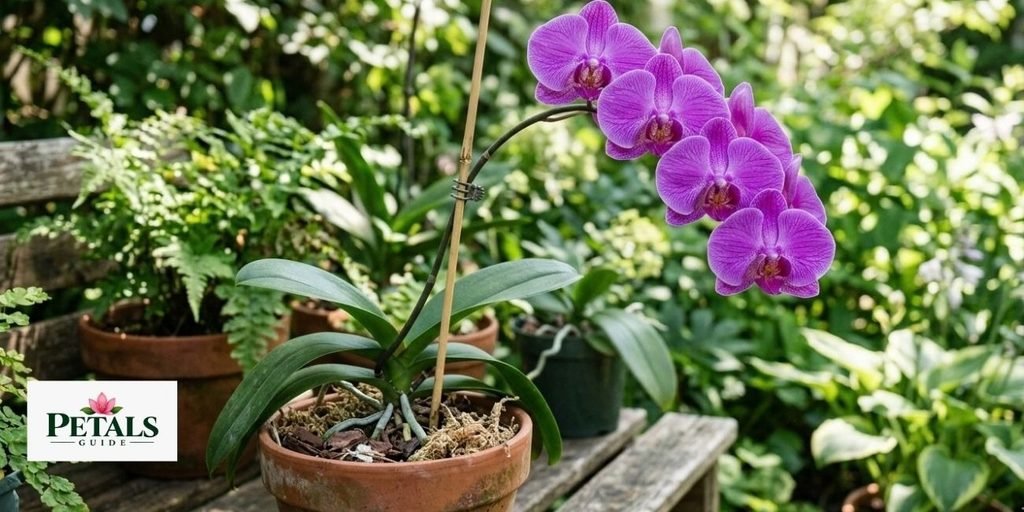
10. Purple Orchid (Phalaenopsis spp.)
The Purple Orchid, part of the Phalaenopsis family, is celebrated for its stunning pink and purple flowers that can transform any space. These lush blooms grace us with their presence typically from late winter through spring, offering a vibrant display when many gardens are still waking from winter.
- USDA Hardiness Zones:Best grown in zones 10-11; they thrive indoors in most environments.
- Soil:Use a well-draining potting mix to prevent root rot.
- Sun Exposure:Place in bright, indirect light for optimal growth.
Special Note: They prefer humidity, so consider misting them or using a pebble tray.
With their elegance, these orchids can turn any dull corner into a lively bush filled with blue pink and purple flowers, creating a serene atmosphere at home.
5 Flowers with Shades of Both Pink and Purple
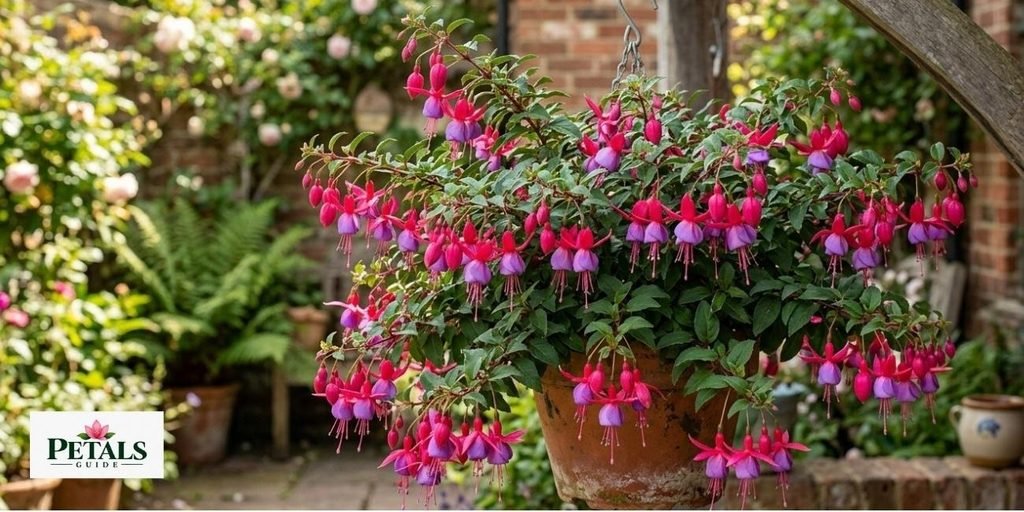
1. Fuchsia (Fuchsia magellanica)
Fuchsia (Fuchsia magellanica) enchants gardens with its stunning blue, pink, and purple flowers. This bush with pink and purple flowers showcases delicate, teardrop-shaped blooms that dangle gracefully, attracting hummingbirds and butterflies.
- USDA Hardiness Zones: Thrives in Zones 7-11, making it a versatile choice for many gardeners.
- Bloom Time: Typically blooms from late spring to early fall, bringing vibrant colors to your landscape for months.
- Soil: Prefers well-drained, rich soil with a slightly acidic pH to really shine.
- Sun Exposure: Enjoys partial shade, ensuring the flowers remain bright and vibrant without wilting in direct sunlight.
Special note: While fuchsias are generally resilient, they do better with protection from strong winds to keep their blooms intact.
2. Hydrangea (Hydrangea macrophylla)
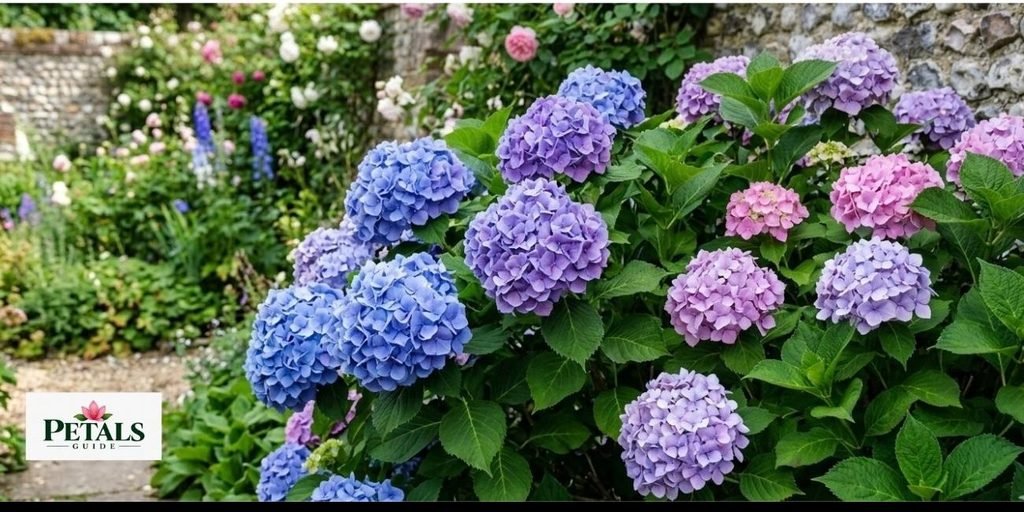
Hydrangea macrophylla is a stunning bush celebrated for its beautiful pink and purple flowers that can also bloom in blue, depending on soil acidity. Here’s what you should know:
- USDA Hardiness Zones: These lovely plants thrive best in Zones 4 to 9, making them suitable for many gardens.
- Bloom Time: You’ll typically see their vibrant blooms from late spring to early fall, adding a splash of color to your landscape.
- Soil & Sun Exposure: Hydrangeas prefer well-drained soil rich in organic matter, and they thrive in partial to full sun, ensuring their stunning flowers reach their full potential.
Special Note: The color of the blooms can change based on the soil’s pH, with acidic soils creating blue or purple flowers and alkaline soils producing lovely pink hues.
Adding a shrub with pink and purple flowers can bring joy and charm to any garden.
3. Petunia (Petunia hybrida)
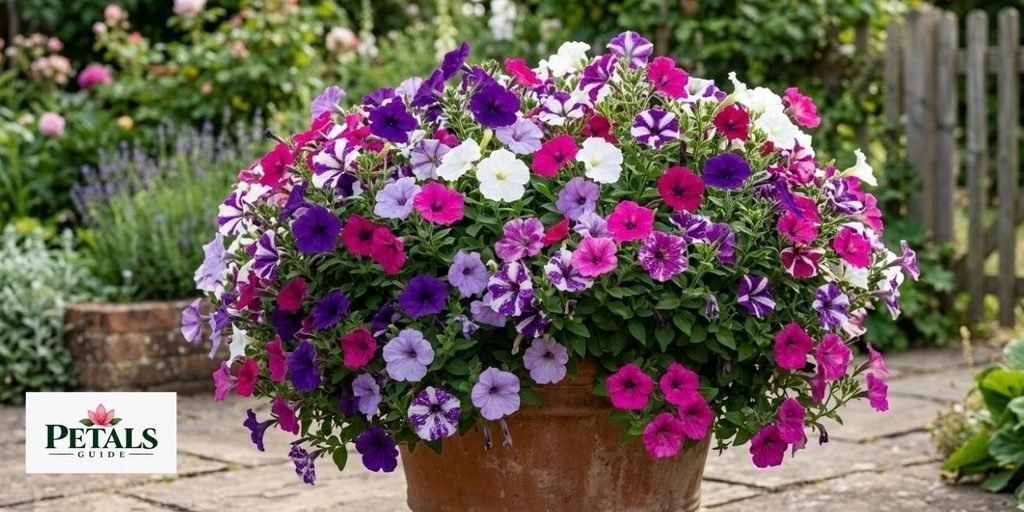
Petunias (Petunia hybrida) are delightful additions to any garden, especially when showcasing their vibrant pink and purple flowers. These blooms come in various shades, including deep purples and soft pinks, making them a favorite for passionate gardeners.
- USDA Hardiness Zones: Best suited for Zones 9-11.
- Bloom Time: They typically bloom from spring until the first frost, providing color for months.
- Soil: Well-drained, nutrient-rich soil is ideal for healthy growth.
- Sun Exposure: These plants thrive in full sun, needing at least 6 hours a day.
Special note: Petunias can create stunning visual impacts when grown as a bush with pink and purple flowers, often attracting butterflies and hummingbirds to your garden. Add these blue pink and purple flowers to your landscape for a cheerful and vibrant display.
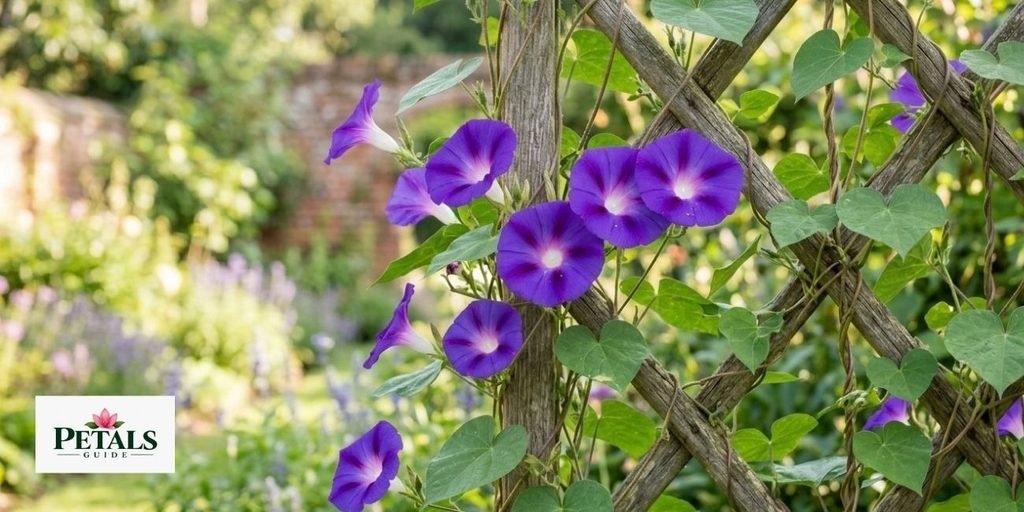
4. Morning Glory (Ipomoea purpurea)
Morning Glory (Ipomoea purpurea) is a stunning choice for any garden, boasting vibrant pink and purple flowers that bloom in a joyful display. These delicate beauties thrive in USDA Hardiness Zones 2 to 11, proving their versatility across various climates.
- Bloom Time: They typically flower from spring through frost, offering a long season of color.
- Soil: Morning Glories prefer well-drained soil, thriving in anything from sandy to loamy textures.
- Sun Exposure: Full sun is ideal, as these flowers bask in the warmth to produce their stunning purple and pink flowers.
Special note: while they’re gorgeous, these flowers can be aggressive climbers, so be prepared for their lively growth.
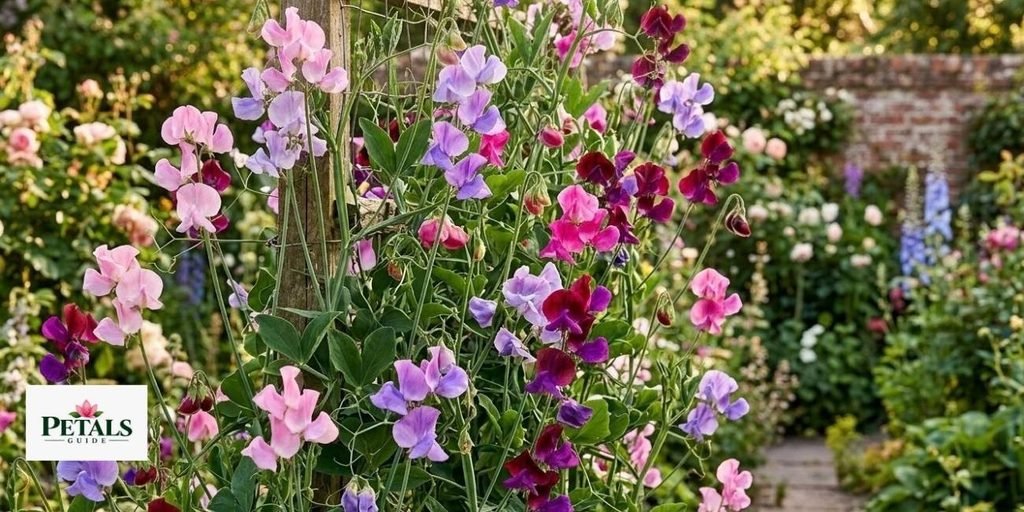
5. Sweet Pea (Lathyrus odoratus)
Sweet Pea (Lathyrus odoratus) captivates garden lovers with its vibrant pink and purple flowers that exude a delightful fragrance. Ideal for USDA Hardiness Zones 2 to 11, this climbing annual thrives in various climates, making it a versatile choice for many gardeners.
- Bloom Time: Typically from spring to early summer.
- Soil: Prefers well-drained, loamy soil rich in organic matter.
- Sun Exposure: Enjoys full sun but can tolerate partial shade.
Special Note: For prolonged blooms, regular deadheading is recommended, and its sweet scent attracts pollinators, enhancing your garden’s charm.
With its stunning purple and pink flowers, Sweet Pea not only adds visual appeal but also invites nature to your space. Consider mixing in pink, purple, and white flowers for a breathtaking array that delights the senses.
Final Thoughts
The beauty of pink and purple flowers can truly enhance any space. These vibrant colors evoke feelings of joy and peace, making them perfect for gardens and arrangements. From delicate orchids to cheerful cosmos, there’s a flower for every taste. Consider adding some of these gorgeous blooms to your collection and enjoy their delightful presence.
FAQs
What flower is pink and purple?
Flowers like the petunia and certain types of orchids can be pink and purple. They’re vibrant and pretty, adding color to gardens.
Do pink and purple flowers go together?
Yes, pink and purple flowers look great together! They create a lovely contrast and can brighten up any space.
What is the name of the purple plant with pink flowers?
One example is the Bougainvillea. It has stunning purple leaves and bursts of pink blooms that are eye-catching.
What is the name of the plant that has pink and purple flowers?
The Lantana plant has both pink and purple flowers. It’s a hardy plant and blooms beautifully.
What plant has purple leaves and pink flowers?
The Coleus plant often features purple leaves and pink flowers. It’s popular for adding color to gardens and containers.
Why does Texas sage have purple, pink, and white flowers?
Texas sage blooms in purple, pink, and white due to its unique genetics. These colors attract bees and other pollinators.