
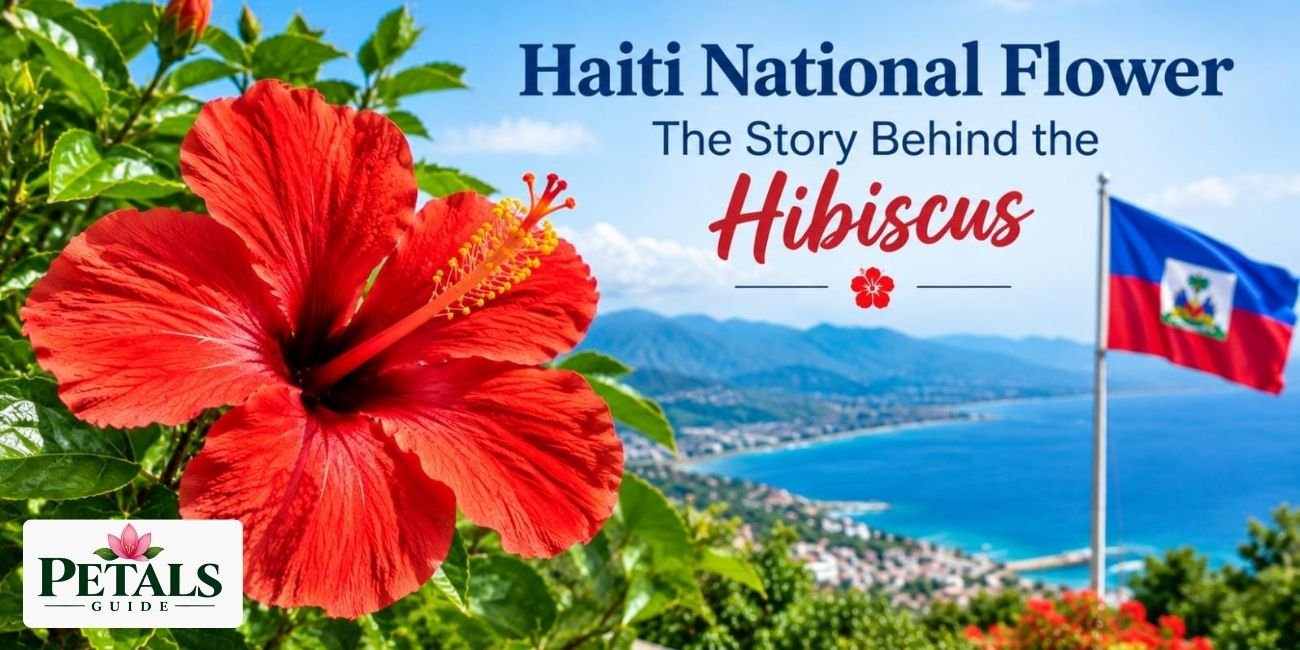
When we think of Haiti, vibrant colors and rich traditions may come to mind, but is the hibiscus truly its national flower? Although this tropical bloom is often associated with the country, Haiti has no officially designated national flower. Known in Haitian Creole as Choublak, hibiscus has become a familiar floral symbol connected to Haiti, raising questions about how this association developed and why many people consider it the nation’s flower.
In this article, we’ll explore the history and cultural significance of hibiscus, haitian flower, uncovering how a plant with Asian origins became associated with Haiti. We’ll also distinguish documented facts from popular beliefs while looking at Haiti’s official national symbols.
What Is the Haiti National Flower?
When searching for Haiti National Flower, hibiscus often comes to mind. Its tropical beauty and connection to the Caribbean have made it a popular choice in discussions about Haiti’s floral identity. However, there is an important detail that should not be overlooked: hibiscus is commonly described as an unofficial haitian flower rather than confirmed through formal national designation. While it is associated with Haiti, it should not be presented as an officially declared national symbol.
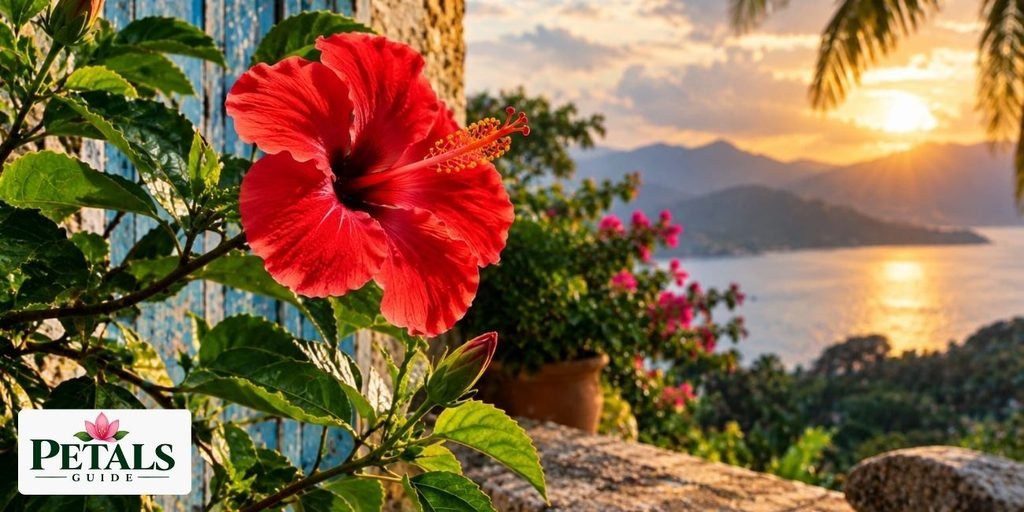
The hibiscus most often discussed in this context is Hibiscus rosa-sinensis, a cultivated flowering shrub belonging to the Malvaceae family. Known for its colorful blooms, this tropical plant is grown in warm regions, including Haiti. In Haitian Creole, the plant is recorded as Choublak, while the name Rose Kayenn is documented in other Caribbean locations, including Guadeloupe. These regional names highlight the importance of using accurate botanical and local terminology when exploring the flower’s connection to Haiti.
Quick Facts About Haiti’s Associated Flower
- Common Name: Hibiscus
- Scientific Name: Hibiscus × rosa-sinensis
- Haitian Creole Name: Choublak
- Plant Type: Flowering shrub
- Family: Malvaceae
- Flower Colors: Red, pink, orange, yellow, white, and various cultivated shades
- Native Region: A cultivated hybrid with origins associated with the South Pacific
- Haiti Connection: Commonly associated with Haiti as an unofficial floral symbol, but not officially recognized as the country’s national flower
- Growing Habit: Commonly cultivated in tropical and subtropical regions for its colorful flowers
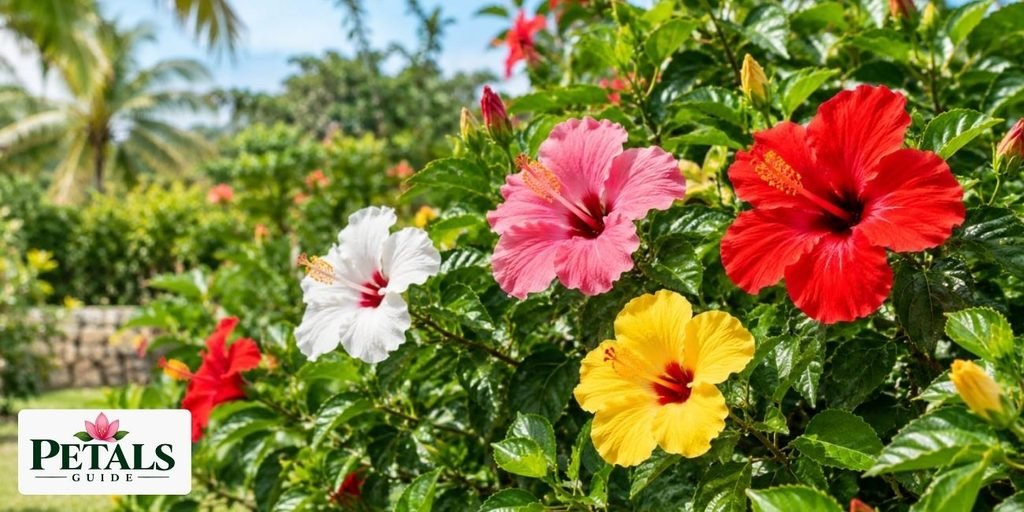
Hibiscus × rosa-sinensis is a cultivated hybrid rather than a naturally occurring wild species, so it is more accurate to use its specific botanical name instead of treating all hibiscus plants as the same flower.
Rose Kayenn: The Haitian Name for Hibiscus
The name Rose Kayenn sometimes appears in discussions about Haiti’s hibiscus, but regional usage needs clarification. In Haiti, the flower is commonly known as Choublak, while Rose Kayenn is documented as a name for hibiscus in Guadeloupe. These differences show how the same flower can have various names across the Caribbean.
The hibiscus associated with Haiti is Hibiscus rosa-sinensis, a cultivated flowering plant in the Malvaceae family. Understanding its local names, origins, and regional connections helps explain why hibiscus is often considered an unofficial symbol of Haiti.
How the Hibiscus Became Associated With Haiti
The connection between hibiscus and Haiti developed through culture rather than a formal declaration. The flower grows well in Haiti’s tropical climate, and its bold blooms have naturally found a place in the country’s colorful visual culture. Known locally as Choublak, hibiscus has also been part of traditional Haitian practices, including the use of its leaves and flowers in herbal preparations.
The flower’s visibility increased through public and cultural imagery. Haiti’s 2012 tourism logo, for example, featured a red hibiscus alongside the country’s name, giving the flower a clear place in the nation’s visual identity. Hibiscus has also appeared in Haitian art and other representations of everyday life, where tropical plants are often used to reflect the country’s landscape and culture.
As these appearances became familiar, hibiscus gradually came to be viewed as haitian flower. Its association was therefore shaped by repeated cultural use and recognition rather than by one specific historical event.
How an Asian Plant Became Part of Haitian Identity
Hibiscus × rosa-sinensis, commonly known as the Chinese hibiscus, graces the vibrant landscapes of Haiti, although its botanical history is linked to cultivated plants from the Pacific region and has long been associated with Asia. This hybrid plant developed from different hibiscus species and flourished in tropical climates like Haiti’s. Its ability to grow in diverse environments helped establish the hibiscus as a familiar part of everyday life, appearing in gardens and cultural imagery throughout the country.
As Haitians incorporated this exotic bloom into their daily existence, it became intertwined with local cultural practices. From its colorful flowers adorning gardens to its role in traditional herbal remedies, the hibiscus became more than just a plant; it developed into a familiar part of Haitian cultural identity. Its vibrant appearance reflects the country’s expressive artistic traditions, helping connect an introduced flowering plant with local heritage.
While many external observers might view the hibiscus simply as a botanical curiosity, its presence in Haiti reflects a broader story of cultural adaptation and identity.
Why Many People Assume Hibiscus Is Haiti National Flower?
The vibrant hibiscus flower, with its striking colors and tropical allure, often appears in imagery surrounding Haiti. Its presence in tourism marketing, particularly in the 2012 tourism logo featuring a hibiscus and sun, helped strengthen its connection with the country’s identity. The flower’s familiar appearance and cultural associations have made it seem like a national emblem, even though its role is not based on a confirmed official designation.
Moreover, the hibiscus has been used in Haiti’s tourism industry to represent hotel quality, where flowers replace the stars commonly used in other destinations. This repeated use in public and tourism settings can make the flower appear to hold an official national title. While its recognition as a Haitian symbol is widespread, the distinction between cultural association and formal designation remains important.
Haiti’s Official National Symbols
While the hibiscus is often associated with Haiti, the country has several officially recognized national symbols that reflect its history and identity. These symbols highlight Haiti’s independence, cultural heritage, and national values.
- National Flag: Haiti’s flag features two horizontal bands of blue and red, with blue at the top and red underneath. A white square in the center displays the coat of arms of the Republic.
- Coat of Arms: The coat of arms includes a palm tree topped with a liberty cap, along with a trophy of weapons beneath its branches. The inscription “L’Union Fait La Force,” meaning “Unity Makes Strength,” emphasizes the importance of unity.
- National Motto: Haiti’s official national motto is “Liberté, Égalité, Fraternité,” meaning “Liberty, Equality, Fraternity.” It reflects the principles recognized in the country’s Constitution.
- National Anthem: “La Dessalinienne” serves as Haiti’s national anthem, honoring the country’s independence and revolutionary history. Its name pays tribute to Jean-Jacques Dessalines, a leading figure in Haiti’s struggle for freedom.
Although hibiscus is associated with Haiti through cultural and tourism imagery, it is not identified as the haiti national flower in the national symbols listed in the Constitution.
The Hibiscus in Haitian Culture and Daily Life
The hibiscus, particularly its colorful blooms, has a familiar place in Haitian culture and everyday life. Often grown around homes and gardens, the flower is more than just a visual part of the landscape; it also has documented traditional uses. In Haiti, Hibiscus rosa-sinensis is known as Choublak, and its young leaves and flowers have been used in traditional remedies, including preparations for colds and flu and crushed leaves applied for headaches. This practical connection with local plant knowledge has helped make the hibiscus a familiar part of daily life in Haiti.
Hibiscus vs Other Haitian Flowers
Haiti’s tropical environment nurtures an array of flowering plants, with hibiscus serving as a vibrant symbol of the nation’s cultural landscape. Yet, it is only one among many blossoms that grace the gardens and streets of this enchanting Caribbean island.
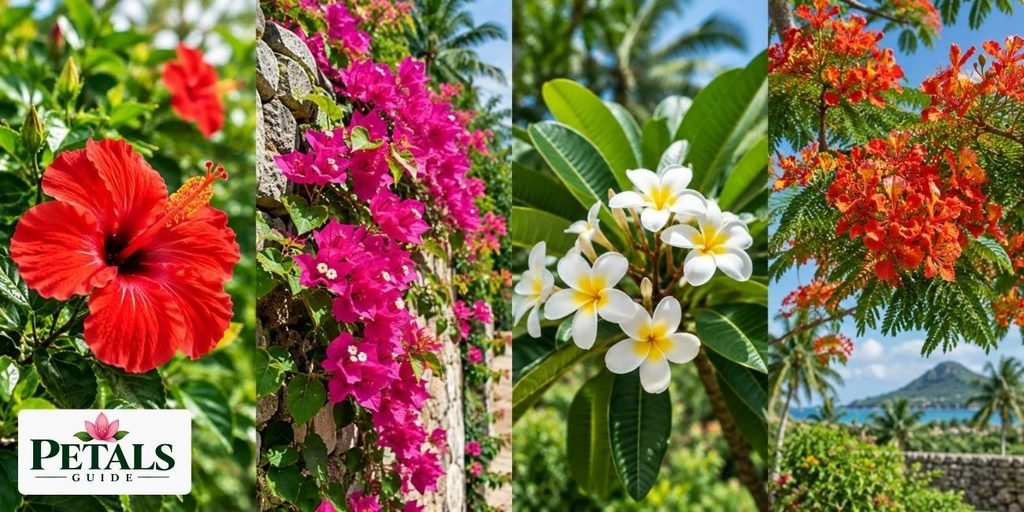
Bougainvillea: Known for its vibrant bracts that come in shades ranging from fuchsia to orange, bougainvillea thrives in the tropical climate of Haiti. Its climbing vines add color and life to gardens and walls, creating a natural tapestry that’s emblematic of Haitian landscapes.
Frangipani (Plumeria): This flower is cherished for its intoxicating fragrance and lush, tropical appearance. Common in warm-climate gardens, frangipani blooms emit an appealing scent, often gracing the air with their delightful aroma.
Flamboyant Flower: With its striking, fiery red blooms, the flamboyant tree is a familiar sight in Haiti, often creating a breathtaking canopy over streets and parks. It embodies the essence of tropical beauty and is a beloved part of the local scenery.
While hibiscus flourishes as an emblematic flower throughout Haiti, these other blooms contribute their own unique charm and beauty to the island’s identity. Each flower tells its own story, weaving a rich tapestry of natural splendor yet it’s essential to note that none should be designated as Haitian national flower without credible support.
The Role of the Haitian Diaspora in Preserving the Symbol
The Haitian diaspora plays an important role in preserving cultural connections to Haiti through art, community traditions, and heritage programs. Haitian artists and cultural organizations often use familiar images of Haiti in exhibitions and educational activities, helping younger generations maintain a connection with their heritage.
The hibiscus can form part of this broader visual connection, particularly when it is presented alongside other Haitian cultural imagery. Community celebrations and cultural events also give Haitians abroad opportunities to keep familiar traditions and symbols visible.
Does a National Symbol Need Legal Approval?
In the realm of national identity, the distinction between a cultural symbol and an official national symbol is important. A cultural symbol can develop naturally through traditions, shared experiences, art, and everyday life without formal approval. An official national symbol, however, receives formal recognition through a country’s constitutional, legal, or governmental framework.
For Haiti, this distinction helps explain the place of the hibiscus. The flower has developed a recognizable cultural connection with Haiti through its presence in gardens, imagery, celebrations, and other expressions of Haitian identity. Its cultural recognition can be meaningful even without an official declaration.
Haiti’s Constitution recognizes the country’s national colors, emblem, motto, and anthem, but does not designate a haiti’s national flower. Therefore, the hibiscus is better described as a cultural floral symbol of Haiti, rather than an officially recognized national flower.
Refer to Haiti’s National Flower Correctly
When discussing Haiti’s rich cultural heritage, it’s important to refer to the hibiscus correctly. While many may casually call it Haiti’s national flower, the flower does not have an official national designation. It is better described as the hibiscus associated with Haiti, Haiti’s associated flower, or a cultural floral symbol of Haiti. These phrases recognize its connection with the country without suggesting an official status.
Accurate wording matters when writing about Haitian culture and tourism. Choosing terms that reflect both the flower’s cultural significance and its unofficial status allows readers to appreciate its place in Haiti’s identity without confusing cultural recognition with formal designation.
Conclusion
The hibiscus flower holds a cherished place in Haitian culture, symbolizing beauty, resilience, and national pride. While it is not officially recognized as Haiti national flower, its vibrant presence is woven into the fabric of daily life, art, and traditions throughout the country. From its use in local crafts to its depiction in joyful celebrations, the hibiscus serves as an emblem of hope and renewal. This connection highlights the flower’s deep-rooted significance in representing the spirit of Haiti.
FAQs
What is Haiti’s national flower?
Haiti does not have a formally designated national flower. The hibiscus is commonly associated with the country and is better described as a cultural floral symbol of Haiti.
Is hibiscus officially Haiti’s national flower?
No. Hibiscus has a strong cultural association with Haiti, but it has not been formally designated as the country’s national flower
What is hibiscus called in Haiti?
The hibiscus commonly associated with Haiti, Hibiscus rosa-sinensis, is known in Haitian Creole as Choublak.
Why is hibiscus associated with Haiti?
Its tropical appearance, widespread cultivation, cultural presence, and use in Haitian imagery have helped connect the flower with the country’s identity.
Is hibiscus native to Haiti?
No. Hibiscus rosa-sinensis is described as native to Asia and is cultivated throughout tropical regions, including Haiti.