
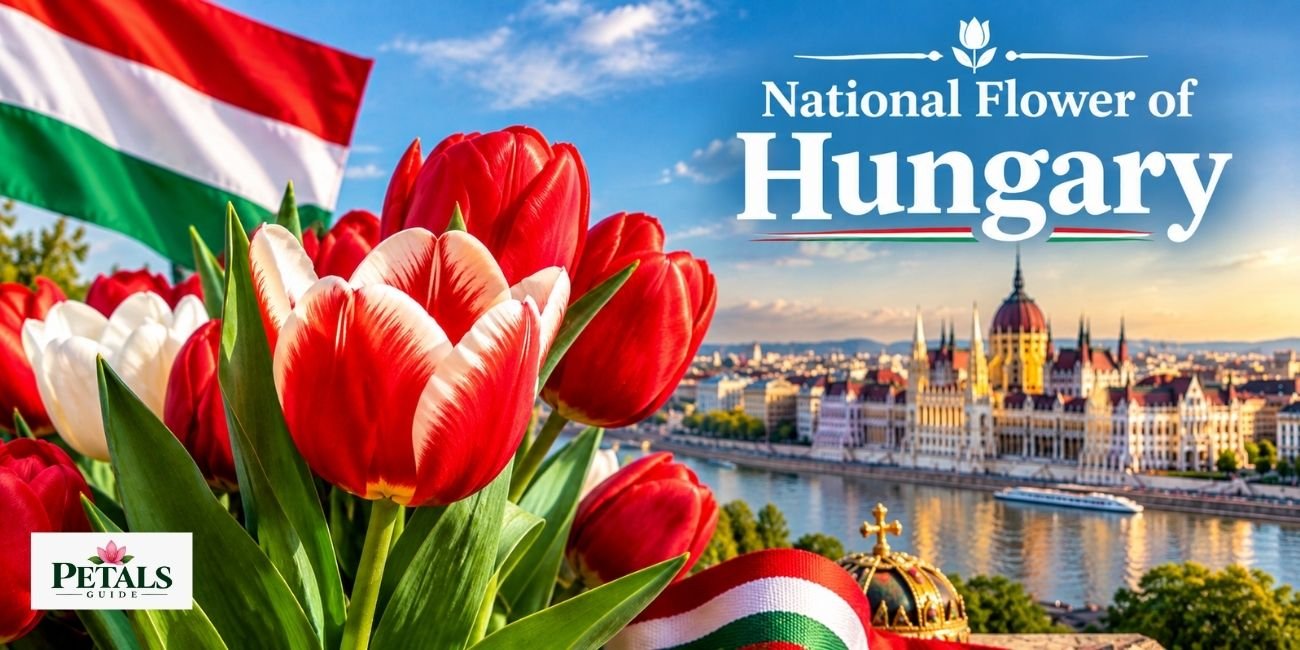
The National Flower of Hungary might just surprise you with its rich history and deep symbolism. Far beyond being a simple bloom, this flower embodies the essence of Hungarian culture and tradition. In this article, we’ll uncover its meaning and importance, showcasing why it’s more than just a pretty sight. Join us as we journey through the splendor of this floral icon and its impact on national pride.
What Is the National Flower of Hungary?
The national flower of Hungary is the tulip, a symbol of beauty and resilience that reflects the country’s rich cultural heritage. Originally brought to Hungary by Turkish invaders in the 16th century, these vibrant blooms quickly became ingrained in Hungarian identity, representing not only the natural beauty of the landscape but also the spirit of the people. Tulips flourish in various colors, each one evoking different emotions and stories from Hungary’s past.
The association of Tulip with the famous “Tulip Era” during the Ottoman Empire, when these flowers inspired art, literature, and even celebrations. Gardens throughout Hungary burst into color each spring, inviting locals and tourists alike to partake in the season’s renewal. The Hungary national flower, tulip stands as a reminder of hope and continuity, connecting generations through its enduring elegance. As you wander through Hungary’s fields and parks, the bright petals remind us of the country’s vibrant spirit and rich history.
Meaning of Hungary’s National Flower
The national flower of Hungary is the tulip, a symbol deeply rooted in the country’s history and culture. In Hungary, the tulip represents beauty, prosperity, and a strong connection to the land. It flourished during the golden age of the Ottoman Empire, when it became a symbol of luxury and elegance. This vibrant flower has been embraced by Hungarians as a reminder of resilience and richness, blossoming in their gardens and national celebrations.
Furthermore, the tulip has sparked a sense of unity among the people. During festivals, it is common to see tulip motifs on decorations, showcasing national pride and reflecting communal spirit. The flower’s varied colors also embody Hungary’s diversity, reminding citizens of their rich heritage. As it blooms each spring, the tulip serves as a beacon of hope, evolving with the nation while honoring its past.
Stunning Pictures of The Tulip
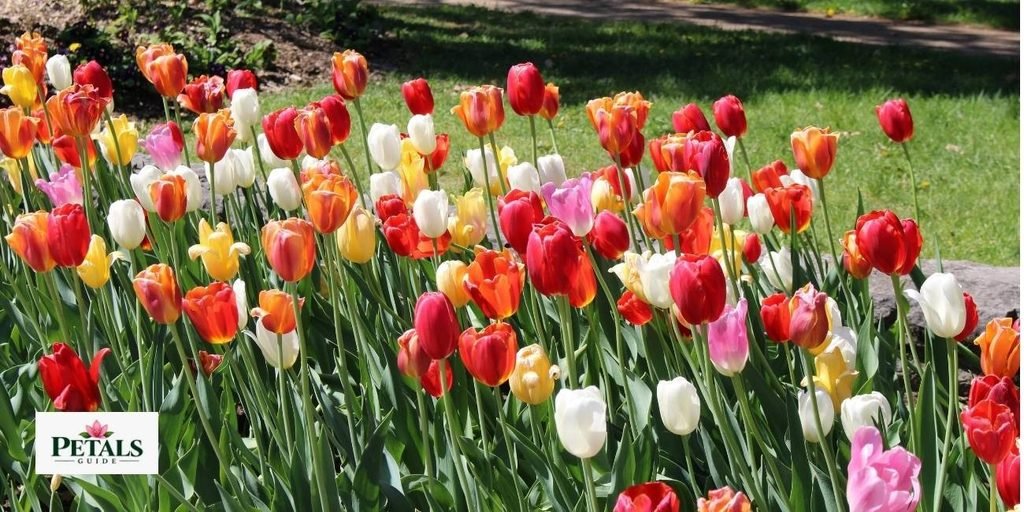
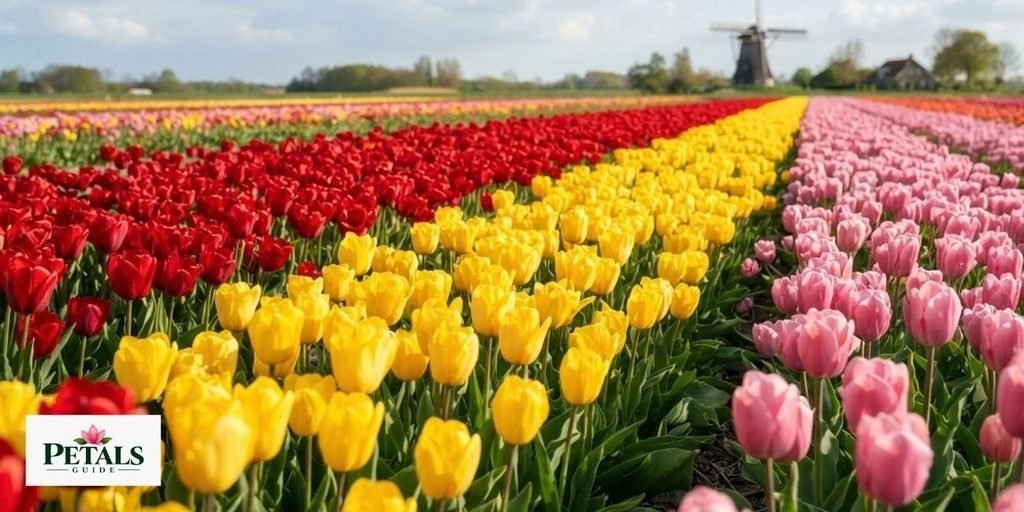
The tulip, Hungary national flower, boasts a stunning array of colors that dance across the landscape. Fields bursting with reds, yellows, and white create a breathtaking tapestry that draws visitors from all over the world. Each bloom tells a story of resilience, beauty, and the changing seasons.
In Hungary, tulips symbolize not just beauty but also a deep connection to the country’s heritage. During spring, festivals showcase the vibrant blossoms, allowing people to immerse themselves in the culture while marveling at nature’s artistry. Photographers flock to these events, capturing the delicate petals against lush green backgrounds, transforming fleeting moments into timeless memories. Each stunning picture serves as a reminder of the simple joys that nature brings to our lives.
Yellow Tulip
Yellow tulips symbolize joy and cheerfulness, making them a popular choice for celebrations and happy occasions. As the national flower of Hungary, they carry a deep cultural significance, often representing hope and renewal. Their vibrant hue stands out in gardens, brightening spaces and lifting spirits.
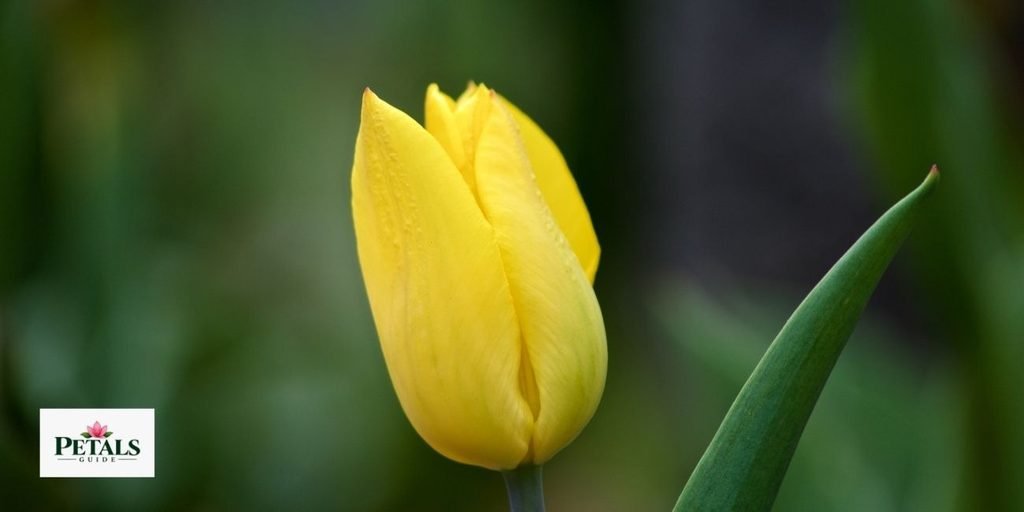
These flowers thrive in various climates, showcasing resilience alongside their beauty. With their graceful, cup-shaped blooms, they convey an elegant simplicity that appeals to many. Additionally, yellow tulips bloom in early spring, heralding warmer days and new beginnings, making them a delightful sight after winter’s chill. The flower of Hungary not only enhances landscapes but also enriches the soul with its warm presence.
White Tulip
White tulips, often seen as symbols of purity and new beginnings, carry a unique charm. In Hungary, these elegant blooms are celebrated as the national flower, embodying the spirit of renewal and hope. Their pristine petals, unblemished by color, evoke a sense of tranquility that makes them a favorite in gardens and floral arrangements alike.
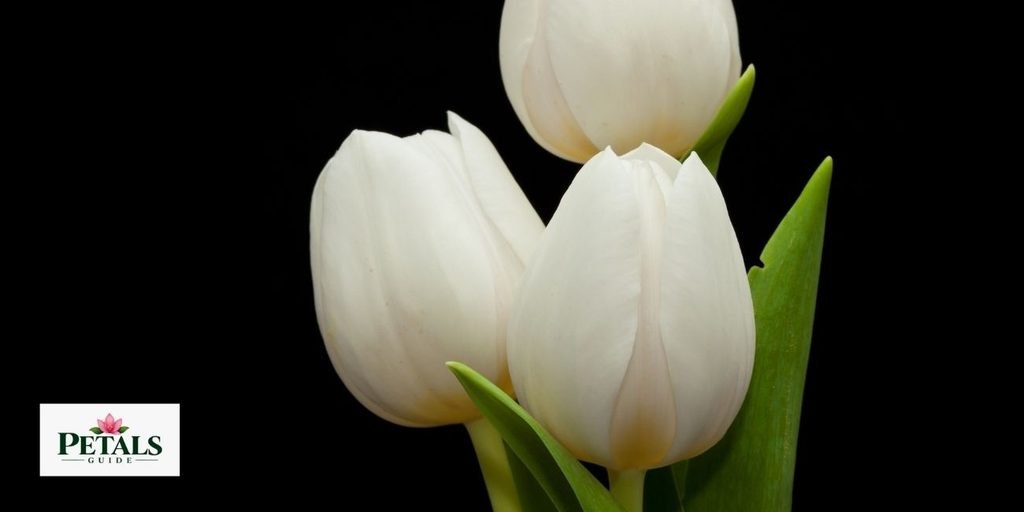
In addition to their aesthetic appeal, white tulips hold significant cultural meaning. In Hungarian tradition, they represent a deep appreciation for freedom and the beauty found in simplicity. These flowers can transform any setting, offering a clean slate for creativity and showcasing the delicate balance between nature and artistry. With their understated elegance, white tulips continue to inspire admiration and love around the world.
Red Tulip
The red tulip, often regarded as the national flower of Hungary, carries a rich cultural significance beyond its beauty. Its vibrant color symbolizes love and passion, making it a popular choice in gardens and bouquets. Each bloom enchants viewers, evoking a sense of warmth and joy that reflects the spirit of Hungarian heritage.
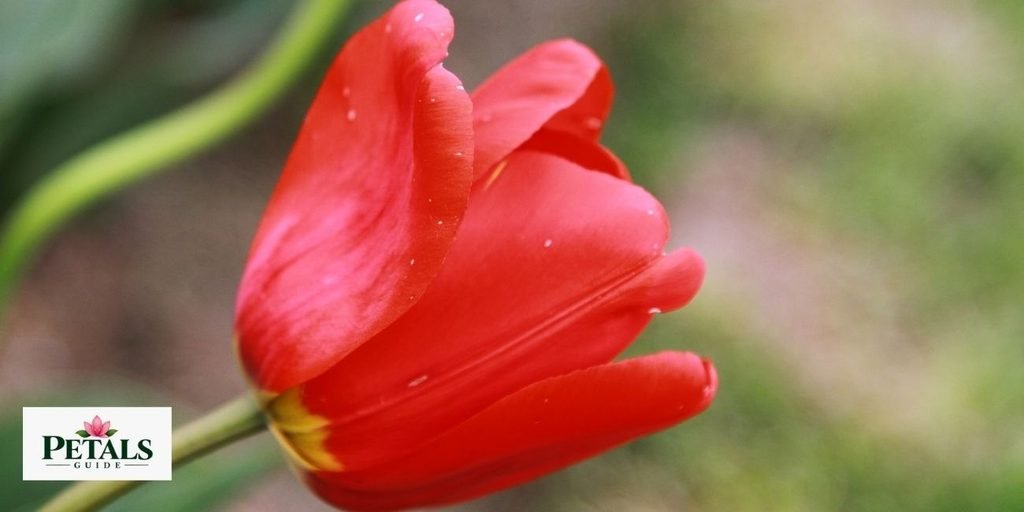
In Hungary, the red tulip stands proudly as a symbol of national pride and resilience. The flower’s unique shape and striking hue are reminiscent of the country’s landscapes, infusing gardens with both color and character. Whether in parks or private gardens, the Hungarian national flower invites admiration and fosters a deep connection to the land.
Pink Tulip
The pink tulip, often celebrated as the national flower of Hungary, embodies grace and beauty. Its soft, pastel hue symbolizes affection and springtime renewal, evoking feelings of warmth and joy. These flowers can thrive in various climates, making them a favorite in gardens worldwide.
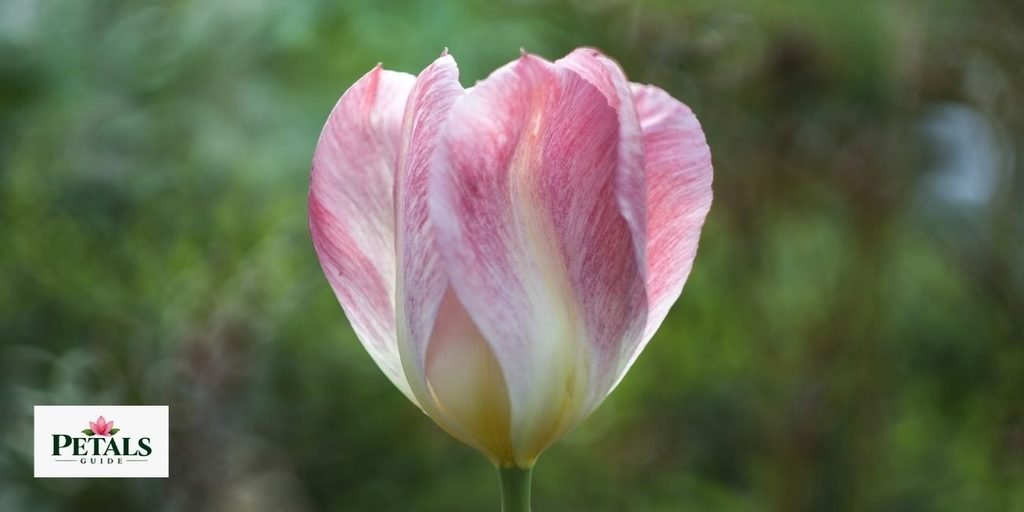
In Hungary, pink tulips hold cultural significance, representing hope and love in local folklore. Their vibrant petals attract pollinators, playing a crucial role in maintaining the ecological balance. Beyond their aesthetic appeal, these flowers remind us of nature’s resilience and the beauty of new beginnings in every bloom.
How Can You Grow Tulips
Tulips thrive best in well-drained soil and prefer sunny locations for optimal growth. To cultivate these vibrant flowers, consider these essentials:
- Choose Quality Bulbs: Opt for large, healthy bulbs, as they produce stronger plants.
- Planting Depth: Plant bulbs about 6-8 inches deep, ensuring they are spaced about 4-6 inches apart.
- Watering Wisely: Water them during dry spells but avoid overwatering to prevent rot.
In Hungary, where tulips are revered as the national flower, they bloom in spectacular displays each spring. Their bright colors and elegant shapes bring joy to gardens and public spaces alike, celebrating the beauty of nature. If you want more information then you can read the detailed guide of growing Tulip plant.
The Symbolism Behind Hungary’s National Flower
Hungary’s national flower, the tulip, is more than just a beautiful bloom; it embodies the spirit and resilience of the Hungarian people. Traditionally associated with spring, it symbolizes renewal and hope, reflecting a nation’s ability to rise after challenges. The tulip’s vibrant colors also represent the diversity and richness of Hungary’s culture, evoking a sense of pride in its heritage.
A Lesser-Known Fact About Tulips of Hungary
Tulips are not just the national flower of Hungary, they symbolize a rich cultural history that traces back to the Ottoman Empire. Often overlooked, the unique variety known as the “Hungarian tulip” flourished in the country and was celebrated in art and folklore. Locals not only admire their beauty but also treasure them as a reminder of resilience and renewal, much like the vibrant spirit of Hungary itself.
Conservation Efforts and Modern Relevance
Conservation efforts are more crucial than ever, especially when it comes to protecting symbols like the flower of Hungary, the tulip. By preserving this vibrant bloom, we not only celebrate national pride but also safeguard our ecosystems. Engaging local communities in these efforts brings a sense of belonging and responsibility, connecting people to nature in meaningful ways.
Modern relevance lies in our ability to blend tradition with innovation. Sustainable farming practices ensure that the habitats of the tulip are preserved, while raising awareness about broader environmental issues. When people invest in conservation, they invest in a future that cherishes both heritage and biodiversity, allowing younger generations to experience the beauty of Hungary’s national flower firsthand.
The Hungarian Tulip Festivals
The Hungarian Tulip Festivals are a vibrant celebration of the national flower of Hungary, showcasing stunning fields in full bloom. These festivals bring communities together, creating a joyful atmosphere filled with music, dance, and local crafts. Visitors can immerse themselves in the culture, tasting traditional foods and enjoying art that reflects the beauty of the Hungarian national flower.
Each spring, the tulip fields burst into color, transforming landscapes and inviting people to stroll through nature’s canvas. These festivals not only honor the tulip’s beauty but also connect generations, creating lasting memories and fostering a sense of belonging. It’s a unique experience that highlights the deep-rooted significance of the tulip in Hungarian heritage, making it a must-visit for anyone seeking to understand the heart of Hungary.
Celebrating Hungary Through Its National Flower
Hungary’s national flower, the tulip, is more than just a beautiful bloom, it symbolizes the country’s rich heritage and resilience. Often seen in vibrant fields, the Hungarian tulip represents the spirit of a nation that has weathered many storms yet continues to thrive. With its unique colors and shapes, the flower invites both locals and visitors to celebrate Hungary’s natural beauty and cultural diversity. My further guides will bring you the amazing world of flowers:
- National Flower of Honduras
- National Flower of Denmark
- National flower of Greece
- New Zealand National Flower
- National Flower of Taiwan
- National Flower of Philippines
- National Flower of Sri Lanka
FAQs
1. What is Hungary’s national flower?
Hungary’s national flower is the tulip. It symbolizes beauty and blossoming culture in the country.
2. Why is the tulip important to Hungary?
The tulip holds cultural significance and represents the rich history and traditions of Hungary.
3. When did the tulip become the national flower?
The tulip was declared Hungary’s national flower in 1984, honoring its special place in Hungarian heritage.
4. Are there different types of tulips in Hungary?
Yes, Hungary boasts many varieties of tulips, each showcasing unique colors and shapes throughout the seasons.
5. When do tulips bloom in Hungary?
Tulips typically bloom in spring, usually from March to May, filling gardens and parks with vibrant colors.
6. Can I see tulip fields in Hungary?
Absolutely! Many places, especially in the Hortobágy National Park, feature stunning tulip fields during the blooming season.
7. How do Hungarians celebrate the tulip?
Hungarians celebrate by hosting festivals, art displays, and flower exhibitions to honor the beauty of the tulip.
8. Can I grow tulips at home?
Yes! You can grow tulips in your garden or in pots. They love sun and well-drained soil, making them easy to care for.