
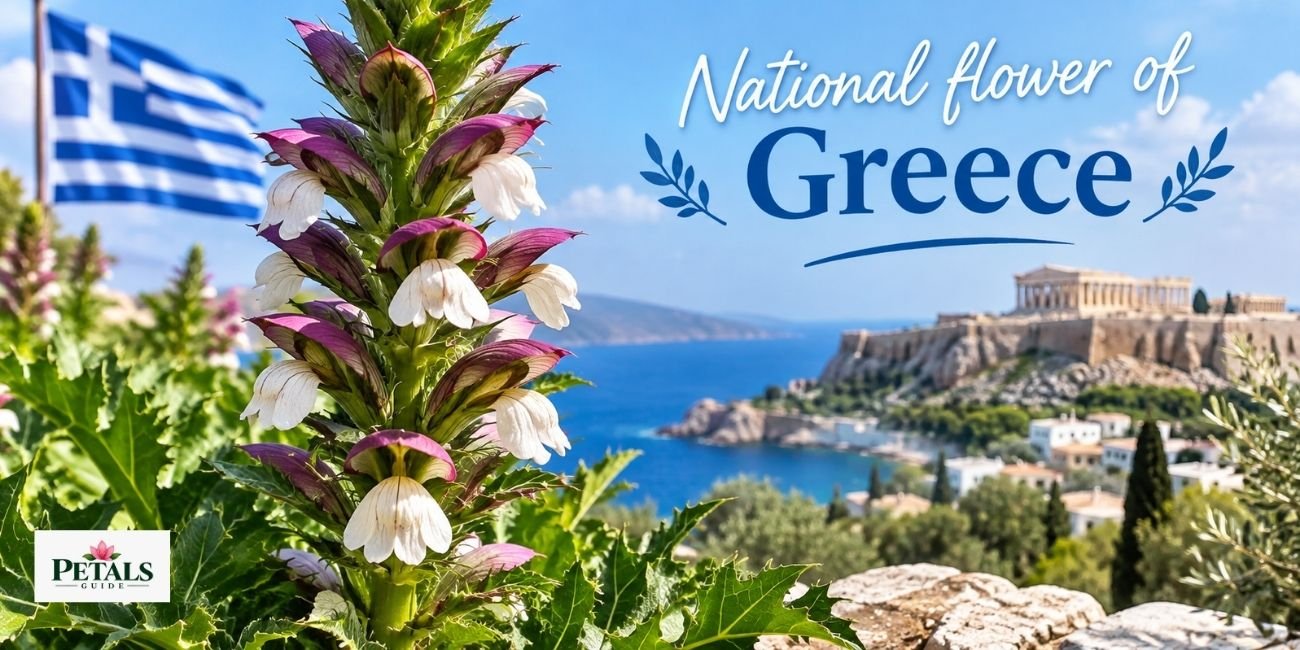
The national flower of Greece, Bear’s Breech, is a stunning plant with a rich history that often goes unnoticed. Its beauty and cultural importance weave a story that’s deeply rooted in Greek tradition. In this article, we will dive into four remarkable aspects of this enchanting flower. Discover how Bear’s Breech reflects the spirit and magic of Greece.
What Is the National Flower of Greece?
The national flower of Greece, Bear’s Breech (Acanthus mollis), is more than just a pretty plant. With its striking leaves and tall spikes of white and purple blossoms, it symbolizes strength and endurance, reflecting the resilient spirit of the Greek people.
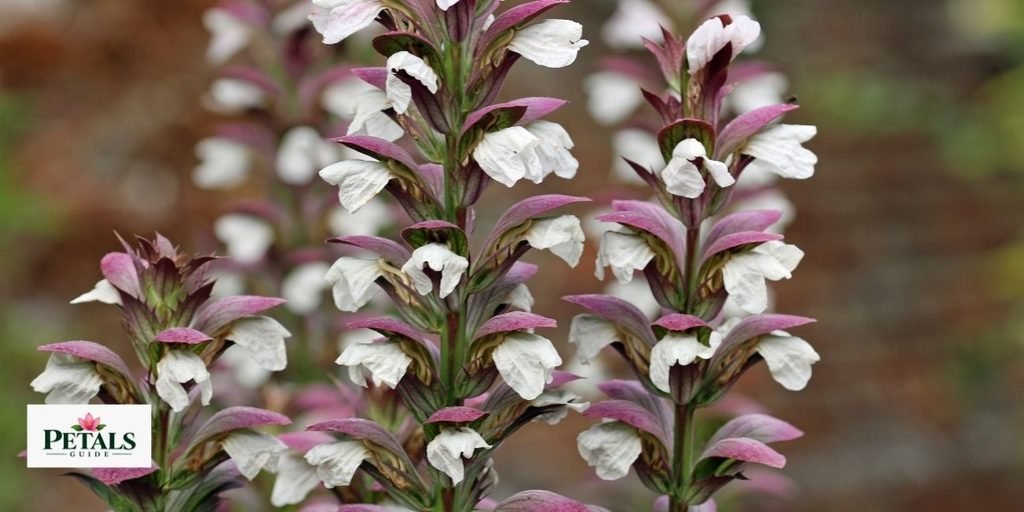
Historically, this flower has roots in ancient Greek art, often seen in beautiful sculptures and architecture, connecting the past with the present. In gardens across Greece, Bear’s Breech thrives, adorned by the warm sun, its vibrant blooms embodying the beauty of the landscape and the culture.
Is Bear’s Breech the Official Greece’s National Flower?
Bear’s Breech, known scientifically as Acanthus mollis, captures attention with its striking appearance. Often celebrated for its lush green leaves and tall spikes of white and purple blooms, this plant symbolizes the rich natural heritage of Greece. Though many associate it with Greece national flower, it’s essential to note that its official status isn’t as widely recognized as one might think.
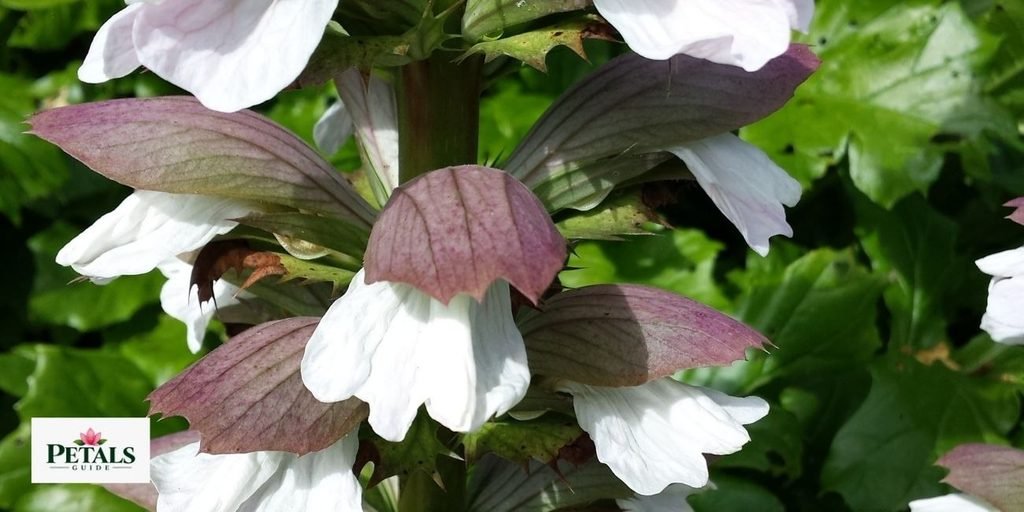
The plant has deep historical roots, often seen in ancient Greek art and architecture, symbolizing strength and resilience. Its presence in stunning mosaics and sculptures connects today’s Greece with its vibrant past. Embracing Bear’s Breech as a national flower can serve as a reminder of the beauty found in Greek landscapes, showcasing nature’s significant role in the country’s identity.
Bear’s Breech and Modern Greece
Bear’s Breech, with its striking pink and white blooms, holds a special place as the national flower of Greece. This plant thrives in the Mediterranean landscape, symbolizing resilience and beauty in a land rich with history. Its unique appearance mirrors Greece’s blend of ancient traditions and modern life, offering a visual reminder of the country’s enduring spirit.
In gardens and landscapes across Greece, Bear’s Breech stands proudly, echoing the connection between nature and culture. This national plant invites us to appreciate the simple joys of the outdoors while reminding us of Greece’s diverse heritage. With each bloom, it tells a story of growth, adaptation, and the vibrant life that thrives in every corner of this beautiful nation.
4 Magics of Greece’s National Flower
The 4 Magics of Greece’s National Flower reveal the unique beauty, cultural meaning, history, and natural charm that make the Bear’s Breech more than just a flower. Let us discuss them one by one.
1. The Miracle at the Grave
In the 5th century BC, sculptor Callimachus stumbled upon an extraordinary event at a grave that changed his life forever. While working, he observed a beautiful wildflower, the national flower of Greece, blooming from the earth, seemingly thriving even among the stones. This moment struck him as a symbol of resilience and rebirth, reflecting how life can emerge from the depths of despair.
This miracle at the grave made Callimachus see the beauty in the ordinary. The sight of that flower, a hallmark of Greece’s natural beauty, served as a reminder that hope can flourish anywhere, even in the unlikeliest places. The wildflower grew proudly, embodying the spirit of Greece’s national plant and inspiring him to infuse life’s fragility into his art.
2. The Magic of Living Immortality
In the sun-drenched landscapes of the Mediterranean, the allure of living immortality often blooms alongside vibrant flora. The national flower of Greece, the fragrant golden daffodil, symbolizes a life full of resilience and hope. This flower thrives in rocky terrains and reflects the spirit of those who call the region home, embodying both beauty and strength.
Every spring, as the daffodils burst into color, they serve as reminders of the cycles of life and nature’s enduring magic. Their presence weaves stories of love, loss, and the ability to rise anew, making each day feel precious. Embracing this philosophy in the Mediterranean means cherishing moments and nurturing connections, allowing the warmth of life to flourish like those golden blooms.
3. The Curse of Apollo (The Myth of Acantha)
In the tale of Acantha, Apollo’s love turned to despair when the beautiful nymph rejected his advances. To transform her into a more suitable form, he cursed her, intertwining her fate with the sharp thorns of the acanthus plant. This painful metamorphosis speaks volumes about unrequited love and the lengths people go to for acceptance.
Today, the acanthus plant is celebrated as the national flower of Greece, symbolizing both beauty and resilience. Its striking leaves adorn ancient columns, echoing the rich history of Greek art and culture. Acantha’s story reminds us that even in suffering, beauty can blossom, leaving a lasting mark on the world around us.
4. The Magic of Healing Sympathy
The magic of healing sympathy, embodied in the stunning Bear’s Breech, captivates not just with its beauty but with its rich history in natural medicine. Known as the national flower of Greece, this vibrant plant symbolizes more than just its lush appearance, it connects people to their roots and the earth’s soothing properties.
- Healing sympathy taps into ancient wisdom, blending nature with intuitive practices.
- Iatromanteia showcases how the healer and the healed are intertwined in a dance of energy.
- The power of Bear’s Breech lies in its ability to inspire hope and restoration.
- This journey reminds us that healing often requires a deep connection to ourselves and the world around us.
The Virtue of Structure over Vanity
Bear’s Breech, often seen as a humble plant, embodies the virtue of structure over vanity. This resilience reflects the essence of Greece’s national flower, showcasing beauty in simplicity rather than ostentation. The practical design of its leaves and sturdy blooms reminds us that true elegance lies in functionality.
- Emphasis on strength and adaptability, much like Greece’s rich history.
- Represents authenticity over superficiality.
- Serves as a natural reminder of balance in life and nature.
- A symbol of beauty that thrives on sincerity, not just looks.
Final Thoughts About National Flower of Greece
The Bear’s Breech stands as a beautiful symbol of Greece, filled with rich history and meaning. Its four ancient magics, from healing to protection, showcase the plant’s importance in both culture and nature. Understanding this flower helps us appreciate the traditions of Greece even more. Let’s celebrate the Bear’s Breech and its role in our world.
Discover how culture, nature, and history come together in our guides to national flowers and their symbolism.
FAQs
What is the national flower of Greece?
The national flower of Greece is the Bear’s Breech. It’s a beautiful plant known for its tall, striking flowers
Why is Bear’s Breech important in Greek culture?
Bear’s Breech symbolizes beauty and resilience, reflecting the spirit of Greece. It’s often featured in art and gardens.
How do you care for Bear’s Breech?
To care for Bear’s Breech, plant it in a sunny spot with free-draining soil. Water it regularly, but avoid letting it sit in water.
Does Greece have a national flower?
Greece does not have an officially designated national flower. However, the bear’s breeches (Acanthus mollis) is often associated with Greek culture and art because its leaves were widely used in ancient Greek architecture.