
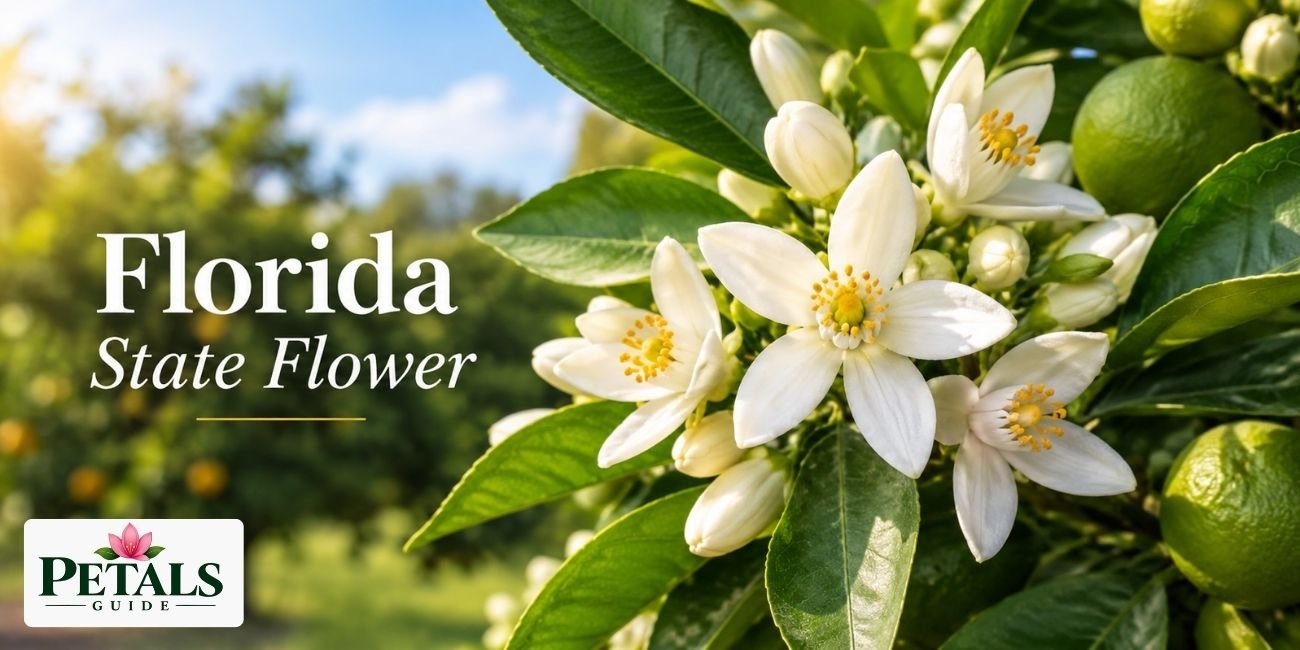
Did you know that each state in the U.S. has its own flower? In Florida, the state flower is the beautiful orange blossom. This flower isn’t just pretty; it represents the sunshine and natural beauty of Florida. In this article, we’ll explore the Florida state flower, why it is chosen, and what makes it special. By the end, you’ll understand why the orange blossom is an important symbol for Floridians.
The Florida State Flower: Orange Blossom
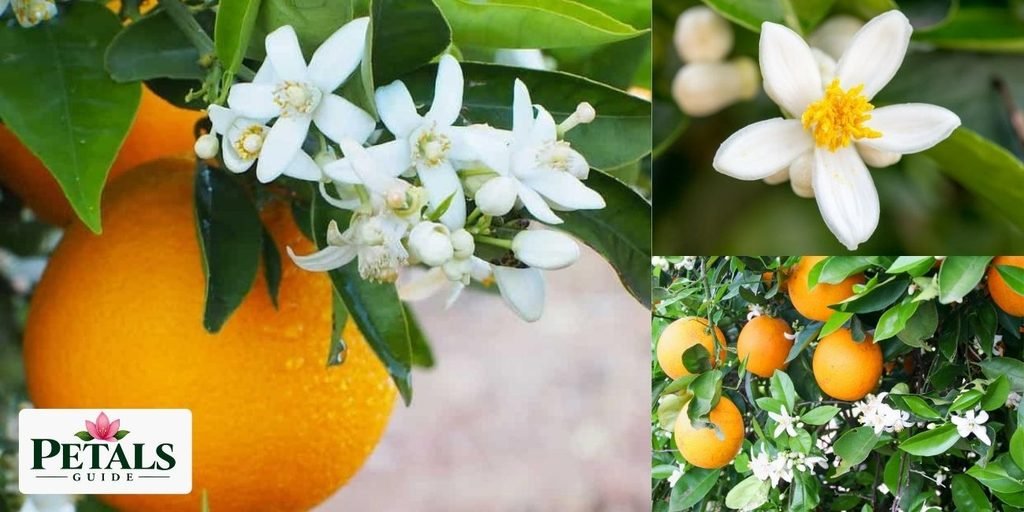
The Florida state flower is the orange blossom, the fragrant white flower of the sweet orange tree (Citrus sinensis). The flowers usually grow in clusters among glossy green leaves and are known for their sweet scent.
- Common Name: Orange Blossom
- Scientific Name: Citrus sinensis
- Flower Color: White
- Blooming Season: February to March
- Officially Adopted: April 27, 1909
The orange blossom is not a separate plant species; it is the flower produced by the sweet orange tree.
History of the Florida State Flower
The Florida state flower, the orange blossom, has a significant history tied to the development of the citrus industry. Introduced by Spanish explorers in the 1500s, orange trees slowly became a staple of Florida’s environment. The 19th century saw a surge in commercial citrus production, particularly as railroads facilitated the transport of oranges beyond the state’s borders.
However, severe cold temperatures in 1894 and 1895 devastated many citrus groves in the northern regions, prompting farmers to relocate their operations to southern areas. Despite these challenges, the industry bounced back, and oranges continued to play a vital role in Florida’s agricultural landscape. Recognized for its strong connection to the state’s citrus legacy and delightful aroma, the orange blossom was designated as the official state flower in 1909.
When Did Florida Adopt the Orange Blossom?
On April 27, 1909, Florida officially recognized the orange blossom as its state flower. This decision followed a consideration of other candidates like the camellia and gardenia. The orange blossom was ultimately chosen to symbolize Florida’s deep ties to the citrus industry and its significance in the state’s culture.
In subsequent years, Florida introduced additional citrus-themed state symbols. In 1967, orange juice was declared the official state beverage, and in 2005, the orange was named the state fruit. These choices underscore the enduring influence of citrus on Florida’s heritage.
Why Was the Orange Blossom Chosen as Florida’s State Flower?
The orange blossom was selected as the “Florida State Flower” due to its delightful aroma, broad popularity, and ties to Florida’s citrus industry. When orange trees bloom, their tiny white flowers emit a potent fragrance that permeates many areas of central and southern Florida. Moreover, the blossoms symbolize the significance of orange trees in agriculture, which have been a vital aspect of the state’s character.
What the Orange Blossom Looks Like and Smells Like
The orange blossom is a small, delicate flower with its five white petals encircling bright yellow stamens. It clusters on orange trees, creating a beautiful contrast with their shiny green foliage. Typically, each flower measures about 1 to 2 inches in diameter, though sizes may vary.
One of its most distinctive traits is its sweet and refreshing aroma. This scent becomes particularly prominent during the blooming season of orange trees and is commonly incorporated into perfumes, soaps, and orange blossom water. This combination of white petals and delightful fragrance makes the orange blossom easily identifiable during the citrus blooming season in Florida.
Symbolic Meaning of the Florida State Flower
The orange blossom symbolize purity, innocence, wealth, and new beginnings. Its white petals symbolize honesty, while its sweet smell is a clear sign of spring and renewal.
In Florida, this flower shows the state’s agricultural history and highlights the importance of growing citrus fruits in its culture. For many, the orange blossom brings to mind images of blossoming orange groves, sunny spring days, and beautiful views in the Sunshine State. It is also recognized as Florida State Flower.
Where Do Orange Blossoms Grow in Florida?
Orange blossoms grow on sweet orange trees (Citrus sinensis) across Florida, especially in central and southern citrus-producing counties such as Polk, Highlands, DeSoto, and Hendry. These areas support extensive orange cultivation and are part of Florida’s citrus-growing region.
Blooming Season of Florida State Flower
In Florida, the orange blossom generally flowers between February and March, but variations in temperature, types of oranges, and local weather can cause this period to start earlier or extend into April. Warmer days after chilly winter conditions play a significant role in initiating the peak blooming time.
Throughout the blooming season, orange trees can yield multiple rounds of blossoms. These aromatic white blooms eventually transition into fruit, yet only a fraction will mature into fully grown oranges.
Growing Orange Trees in Florida and Other Places
Orange trees grow best in warm, sunny areas with well-drained soil. In Florida, find a sunny spot to plant your tree and make sure there’s enough space for it to expand. During dry periods, water young trees regularly and follow the instructions for using citrus fertilizer.
Choose a type of orange tree that suits your climate, as cold weather can damage them and affect their flowers. In cooler regions, think about planting smaller orange trees in pots so you can bring them inside during winter. Grafted orange trees usually start producing fruit 3 to 5 years after planting, depending on the type and growing conditions. You’ll see their sweet-smelling white flowers before the oranges grow.
Common Mistakes When Growing Orange Blossoms
- Overwatering: Soil that stays wet for too long can damage orange tree roots. Ensure good drainage and adjust watering to rainfall and soil moisture.
- Overfertilizing: Excess fertilizer can cause excessive leafy growth and may harm roots. Use a citrus-specific fertilizer at the recommended rate.
- Planting in too much shade: Orange trees need full sunlight for healthy growth and flowering.
- Pruning unnecessarily: Heavy pruning can reduce fruit production. Remove dead or damaged branches and unwanted shoots, but avoid cutting away large amounts of healthy growth.
- Ignoring pests and diseases: Citrus pests, including leafminers and Asian citrus psyllids, can damage trees and contribute to serious diseases. Inspect new growth regularly and follow local citrus care recommendations.
- Neglecting cold protection: Freezing temperatures can damage orange trees, especially young ones. Choose a suitable planting site and protect trees when frost is expected.
Creative Uses of Orange Blossoms
- Fresh Seasonal Arrangements: Incorporating fresh orange blossom branches into seasonal floral displays provides a touch of delicate white blossoms and a lovely fragrance for springtime. It’s important to treat these blooms delicately due to their fragility and brief lifespan.
- Orange Blossom Water: This aromatic water is created by distilling orange flowers and is commonly utilized in culinary traditions of the Middle East and North Africa. Just a few drops introduce a floral citrus flavor to pastries, cakes, syrups, puddings, and beverages.
- Orange Blossom Honey: Produced by honeybees gathering nectar from citrus blooms, orange blossom honey features a gentle sweetness with subtle citrus undertones. It’s perfect for sweetening tea, enhancing baked goods, or drizzling over yogurt.
- Neroli Essential Oil: Extracted through steam distillation of bitter orange tree blossoms, neroli oil boasts a fresh, floral fragrance, making it a sought-after component in perfumes, colognes, and scented beauty products.
Economic Importance of Orange Tree
The citrus industry in Florida is crucial for the state’s economy. It involves growing oranges, making juice, packaging fruit, and other farming activities. Research from the University of Florida shows that in the 2020–2021 season, this sector contributed around $6.94 billion to the economy and created jobs for 32,542 people, both full-time and part-time. Although the orange blossom represents the trees important to this industry, it is not the main product sold.
Florida State Flower in Weddings and Traditions
For centuries, orange blossoms have been linked to weddings, representing purity, love, and fertility. Their fragrant white petals have made them a beloved selection for bridal bouquets, hair accessories, and floral decor. While these traditions aren’t exclusive to Florida, they highlight the broader cultural importance of the flower.
Sending Florida State Flower to Someone You Love
The orange blossom brings a touch of Florida with its creamy white petals, delightful scent, and deep-rooted connection to love.
- Bouquets for weddings and anniversaries: Traditionally, orange blossoms symbolize innocence and fertility. Their prevalence in bridal bouquets surged after Queen Victoria wore them during her wedding in 1840.
- Florida-themed arrangements: Pair white blooms with orange roses or other vibrant orange flowers, along with lush green leaves, to capture the essence of Florida’s citrus orchards.
- Scented alternatives: Consider giving orange blossom water, orange blossom honey, or neroli-scented fragrances when fresh flowers are not an option.
- Customized gifts: Make your present even more special by including a note that highlights the orange blossom as Florida’s state flower, particularly meaningful for someone with ties to the Sunshine State.
Environmental Significance of Florida State Flower
During Florida’s citrus blooming period, typically from February to April, orange blossoms offer vital nectar and pollen for honeybees and other pollinators. As these insects pollinate the flowers, they facilitate the growth of citrus fruits that rely on their activity. Additionally, the nectar contributes to the creation of orange blossom honey. However, the use of insecticides in citrus orchards can jeopardize bee populations, highlighting the need for pest management practices that are safe for pollinators during this critical flowering phase.
Conclusion
The Florida State Flower, the orange blossom, is a symbol of Florida’s rich heritage and natural beauty. Its sweet scent and delicate flowers attract many people each spring. This flower not only represents the state’s famous citrus industry but also serves as a reminder of Florida’s vibrant ecosystem. Protecting these blossoms helps support wildlife and promotes local agriculture. Let’s cherish and celebrate the orange blossom as an important part of Florida’s identity.
FAQs
What is the Florida State Flower and Bird?
Florida state flower is the orange blossom, the fragrant white flower of the sweet orange tree (Citrus sinensis). The state bird of Florida is the mockingbird, known for its ability to imitate the songs of other birds. Together, the mockingbird and orange blossom are important Florida state symbols.
What Is Florida’s Official Wildflower?
Florida’s official state wildflower is coreopsis, a group of flowering plants known for their bright yellow, golden, and sometimes pink blooms. Coreopsis received this designation in 1991 because of its use in roadside plantings and highway beautification.
What Is Florida’s State Tree and Flower?
Florida’s state tree is the sabal palm (Sabal palmetto), also known as the cabbage palm. The state flower is the orange blossom. The sabal palm became the official state tree in 1953, while the orange blossom was designated in 1909.
What Is Florida’s State Animal?
The Florida state animal is the Florida panther (Puma concolor coryi), a rare subspecies of cougar native to Florida. It was designated the official state animal in 1982 and represents the state’s native wildlife.