
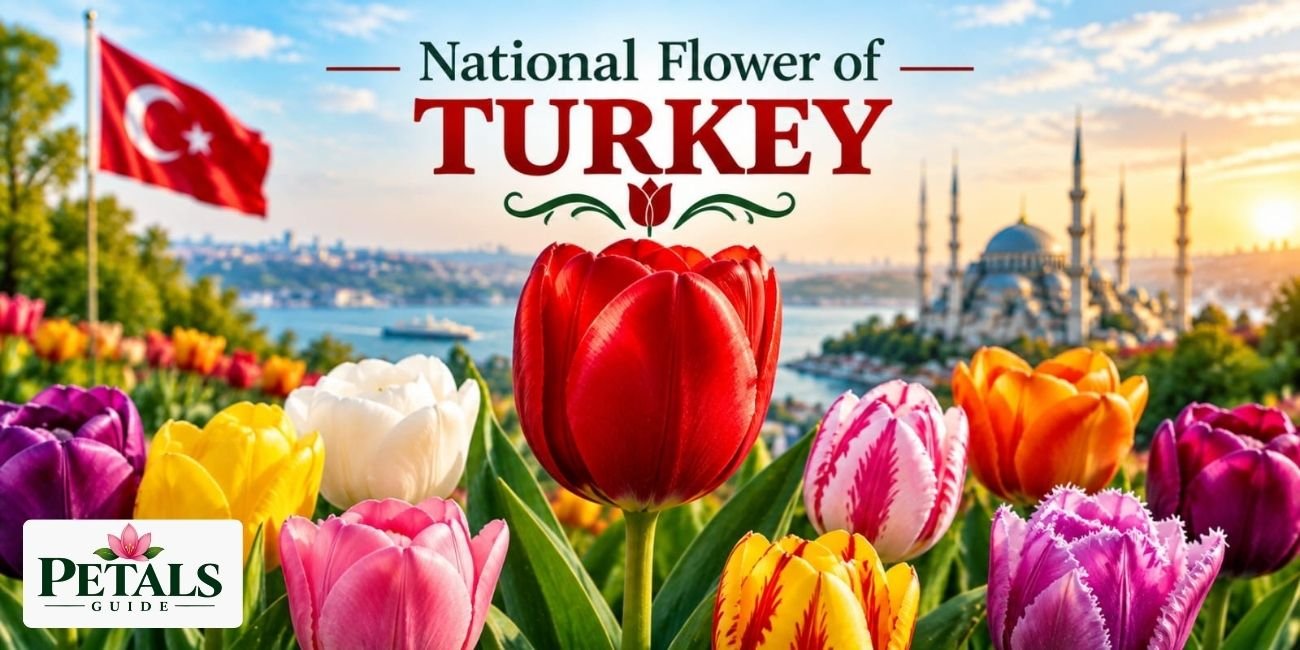
Did you know that the vibrant tulip, often mistaken as a Dutch emblem, actually holds the title of the national flower of Turkey? This stunning bloom has deep cultural roots in Turkish history and art, symbolizing beauty and resilience. In this article, we’ll explore the significance of the tulip in Turkey, its historical journey, and how it continues to influence modern Turkish identity. Get ready to dive into a floral heritage that transcends borders!
What is the National Flower of Turkey?
The national flower of Turkey is the tulip, known scientifically as Tulipa spp. This vibrant flower holds a special place in Turkish culture and history, particularly in the region of Anatolia. During the Ottoman Empire, tulips became a powerful symbol of beauty and elegance, often associated with the royal courts. Today, you can see tulips blooming everywhere in Istanbul, especially during the annual Tulip Festival, when the city turns into a vibrant sea of colors.
Interestingly, although tulips are often linked to the Netherlands, their origins trace back to Turkey. The actual reality is that these stunning flowers were cultivated in the Ottoman Empire long before they became popular in Europe.This connection shows how flowers can bridge cultures and histories. The tulip not only symbolizes beauty in Turkey but also represents a deep-rooted tradition that brings communities together, reminding everyone of their shared past.
Story behind the National Flower of Turkey
The national flower of Turkey, the tulip, has a fascinating story that takes us back to the 17th century during the reign of Ahmed III. This was a time called the “Lale Devri,” or the “Tulip Era,” when the Ottoman Empire was at its peak of beauty and culture. The tulip became a symbol of elegance and luxury, representing not just flowers, but an entire way of life. People planted them in their palace gardens, creating colorful displays that made these spaces feel like a paradise on earth.
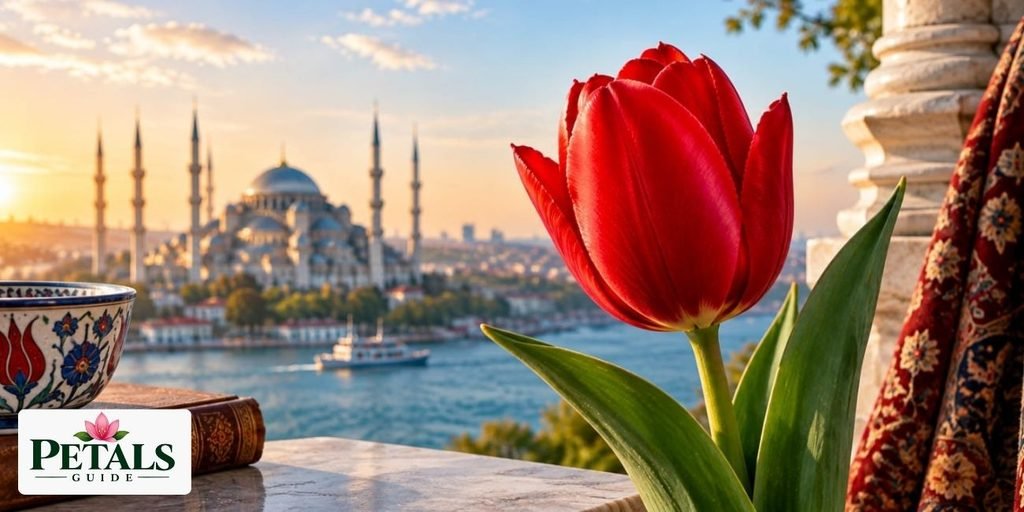
During this period, tulips were treasured so much that they inspired art, poetry, and even fashion, with people willing to pay large sums just to own rare types. The flower was seen as a sign of prosperity, embodying the rich lifestyle of Ottoman sultans. Today, the tulip still holds a special place in Turkish hearts, reminding us of our history and the beauty that connects us all.
Symbolisms of Turkish National Flower
In Turkish culture, the national flower, known as the “lale,” holds deep symbolism that resonates with many aspects of life. The lale’s vibrant colors and graceful form embody love and purity, representing not just beauty, but also a sense of perfection that reflects the ideals of many in the community. Its upright shape suggests a unity of soul and body, symbolizing the balance we all seek in our lives.
Interestingly, the lale also connects with spirituality in Turkish tradition. Its petals resemble the curves of an Arabic letter that stands for the name of Allah, reminding people of their faith and the divine in everyday life. This flower truly serves as a beautiful metaphor, not just for nature but for the unity and strength found within the Turkish identity. The lale brings people together, encouraging harmony and a sense of belonging, much like the bonds that tie families and friends.
The term “tulip” is derived from the Turkish word “tulbend,” meaning turban, reflecting the flower’s shape. This unique connection illustrates how intertwined the flower is with Turkish identity and history, making it more than just a beautiful bloom.
The Tulip’s Role in Modern Turkey
Even in modern times, tulip has become a national symbol that connects the country to its rich history. Every spring, millions of people celebrate this beautiful flower during the Tulip Festival, where around 30 million tulips bloom in vibrant colors across parks and gardens. The festival not only brings joy but also reminds everyone of the tulip’s Ottoman roots, showcasing how this flower once captivated sultans and inspired intricate designs and motifs in art and architecture.
The tulip’s significance extends beyond festivals. It’s also a part of modern branding, like in the logo for Turkish Airlines, symbolizing beauty and elegance. As you walk through cities during spring, you’ll see tulips planted in public spaces, brightening up the environment and lifting spirits. This national flower of Turkey, with its deep connections to the past and its cheerful presence today, truly represents the heart of Turkey and its people.
Botanical Profile of National flower of Turkey
The tulip, known for its vibrant hues and graceful petals, holds a special place in Turkey’s heart, symbolizing beauty and elegance. This national flower signifies not just the arrival of spring but also the rich cultural heritage of the country, as it has been celebrated in art, literature, and festivals for centuries.
- Scientific Name: Tulipa ssp
- Family: Liliaceae
- Native Region: Central Asia and the Mediterranean
- Blooming Season: Spring
- Colors: Red, yellow, pink, white, purple, and more
- Symbol: Love and renewal
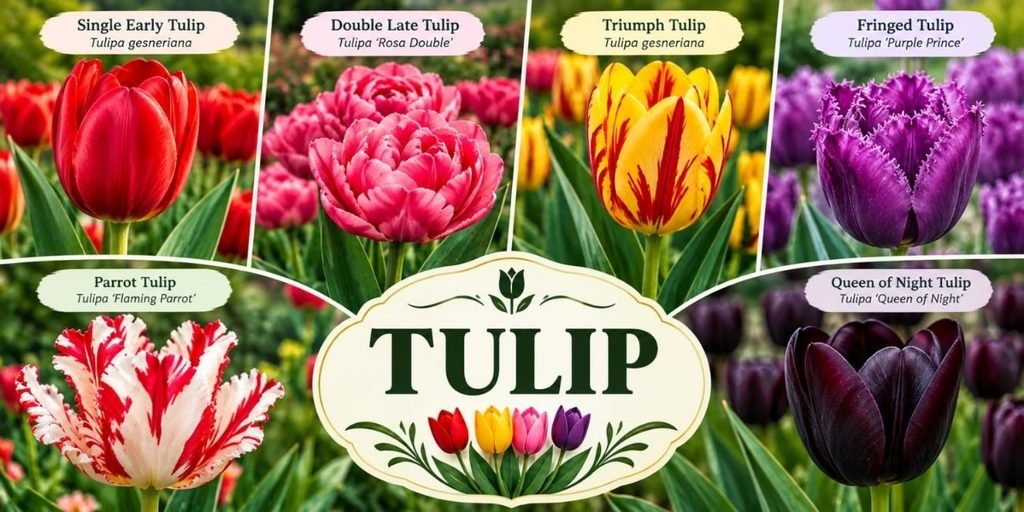
Tulips are often associated with a sense of hope and new beginnings, making them a popular choice for gardens and floral arrangements. Interestingly, their unique shapes and sizes can tell different stories, from the delicate, fringed varieties to the bold, classic forms. In Turkey, the tulip has also inspired skilled artisans who create stunning patterns and motifs, reflecting the flower’s importance in decorative arts and crafts.
Interesting Facts About the National Flower of Turkey
True Origin: The tulip, often mistaken as a native of the Netherlands, actually has its roots in the lush landscapes of Central Asia. The wild forms of tulips can be traced back to the Ottoman Empire, where they flourished in the rich soils and became emblematic of Turkish gardening.
Cultural Icon: The tulip holds profound significance in Turkish art and literature, symbolizing beauty and elegance. It is intricately woven into traditional carpets and ceramics, making it a central motif that reflects the nation’s rich heritage.
Festival Legacy: Every April, Istanbul bursts into a vibrant array of colors as it hosts the Istanbul Tulip Festival. This celebration honors the tulip’s historical role and showcases thousands of blooming varieties throughout the city, drawing visitors from around the globe.
Economic Symbol: Beyond its aesthetic appeal, the tulip supports Turkey’s economy through tourism, horticulture, and ornamental plant exports. Tulip cultivation and bulb sales also create valuable business and export opportunities.
National Pride: For many Turks, the tulip is not just a flower; it’s a representation of national identity and cultural pride. The deep-rooted connection to the tulip fosters a sense of unity and heritage that endures through generations, reminding everyone of Turkey’s illustrious past.
How to grow Turkish National Flower (Tulips) at Home
Growing tulips like they do in Turkey can turn your garden into a colorful paradise. With the right care, you can enjoy a stunning display of vibrant blooms. Here are some simple tips to help you grow tulips that will make your neighbors green with envy.
- Planting Time: The best time to plant tulips is in the fall, around October to November. This gives the bulbs enough time to settle before winter comes.
- Soil Type: Tulips love well-draining soil. You can mix in some sand or compost to help the soil drain better. This prevents the bulbs from rotting.
- Watering: Water your tulips after planting, but be careful not to overwater. Once they are established, they need moderate watering — only if the soil is dry.
- Bloom Time: Tulips typically bloom in spring, from March to May, depending on the variety. Keep an eye out for those stunning colors emerging from the ground!
- Lifting Bulbs: After blooming, let the leaves die back naturally. Once they turn yellow, you can lift and store the bulbs for the next season.
- Location: Plant tulips in clusters rather than straight lines. This mimics their natural look and creates a more vibrant display.
Conclusion
The national flower of Turkey, the tulip, has a rich history and is loved by many. It symbolizes beauty and nature, showing how important flowers are in Turkish culture. Tulips bloom in various colors, making gardens and parks very pretty in spring. By learning about the tulip, we can understand more about Turkish culture and its values.
FAQs
What is the national flower of Turkey?
The tulip is considered the national flower of Turkey.
Are tulips Dutch or Turkish?
While tulips are often associated with the Netherlands, they originated in Central Asia and were cultivated widely in Turkey before becoming popular in Europe.
What is the historical significance of the tulip in Turkey?
The tulip has deep historical roots in Ottoman culture, symbolizing wealth, beauty, and status during the Tulip Era in the 16th century.
What colors do tulips come in?
Tulips come in a wide variety of colors, including red, yellow, white, purple, and even multi-colored varieties.
Are there specific tulip festivals in Turkey?
Yes, Istanbul hosts an annual Tulip Festival, celebrating the flower’s cultural significance and showcasing various tulip species.